AI reveals the five safest countries to be in to survive global disaster

More and more countries worldwide are preparing for global disasters, but where would be the safest place to be if something was to happen?
There are many threats going on across the globe. From the war between Ukraine and Russia possibly escalating to other parts of Europe in 2030 to the current Ebola outbreak in the Congo, there's a lot of serious events unfolding.
As well as health and war risks, there's climate change.
The so-called super El Niño which has been intensified by the warming of our planet and has been wreaking havoc across different parts of the world, and is expected to do so into the new year.
Advert
While people are being told to stockpile on essential items like food and water – ideally 72 hours worth – there are some countries that have the upper hand when it comes to safety in a global disaster, according to artificial intelligence.
New Zealand
New Zealand is in the top five places to be should a global disaster happen, says AI. One of the main reasons for this is because how remote it is. Australia is the closest country to it, and even that's roughly 1,000 miles away.
New Zealand, whom the likes of Russel Crowe, Taika Waititi, and Anthony Starr all hail from, has significant agricultural production and freshwater resources as well.
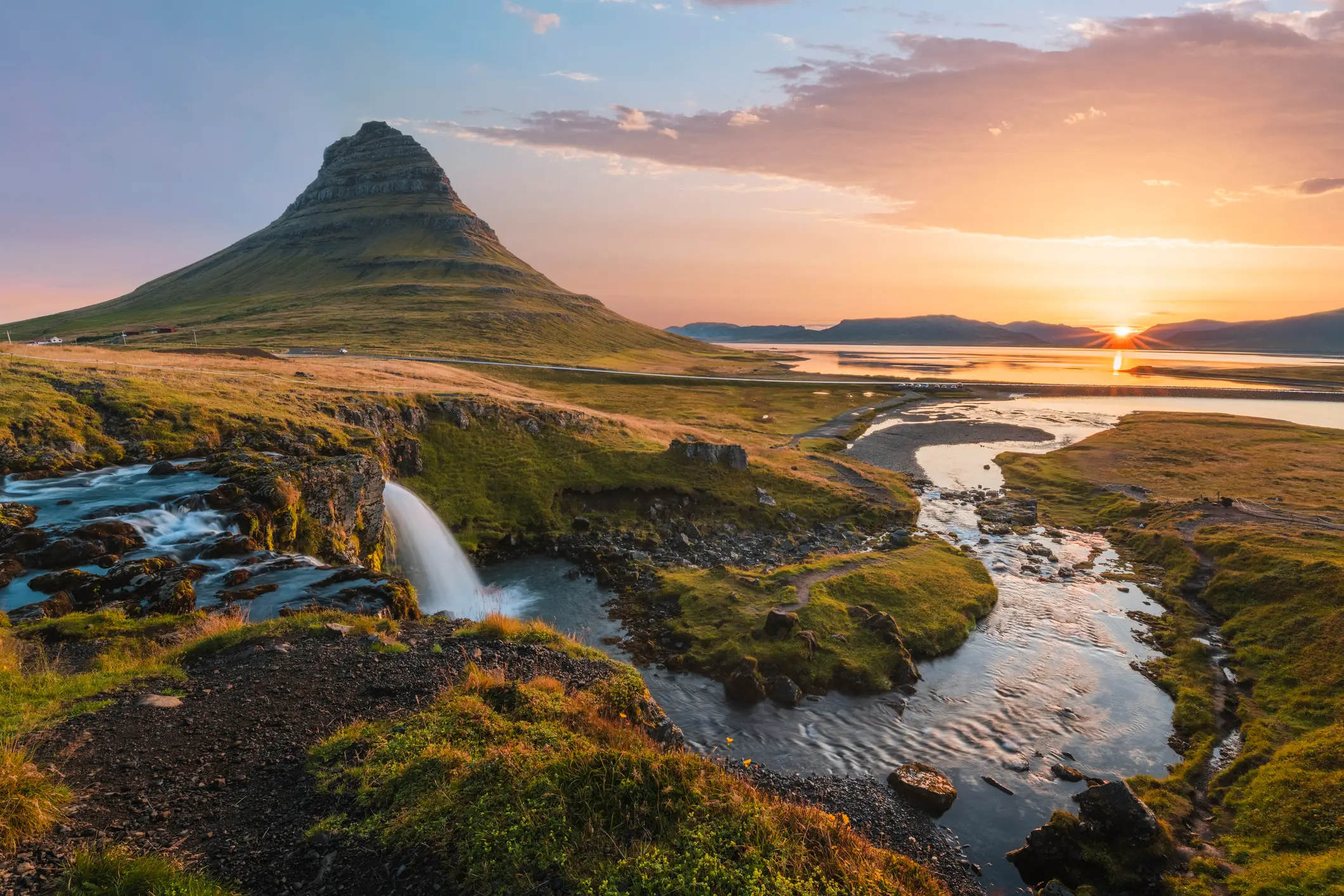
Iceland
Like New Zealand, Iceland is quite isolated in comparison to other parts of the world. It's also abundant in freshwater, making supplies unlikely to run out.
Much of Iceland's electricity comes from renewable energy as well. It uses geothermal and hydroelectric energy, which creates around 30 percent and 70 percent of its power respectively.
Switzerland
Switzerland has always been neutral when it comes to the military – something the country's well-known for – meaning it's somewhat unlikely it would ever be roped into any conflict.
It also has extensive civil defense shelter infrastructure, according to AI. There's around 370,000 public and private shelters that can accommodate for nearly 100 percent of Switzerland's population.
In addition to this, it has vast amounts of Alpine water to drink and it has a strong economy, healthcare and emergency services.
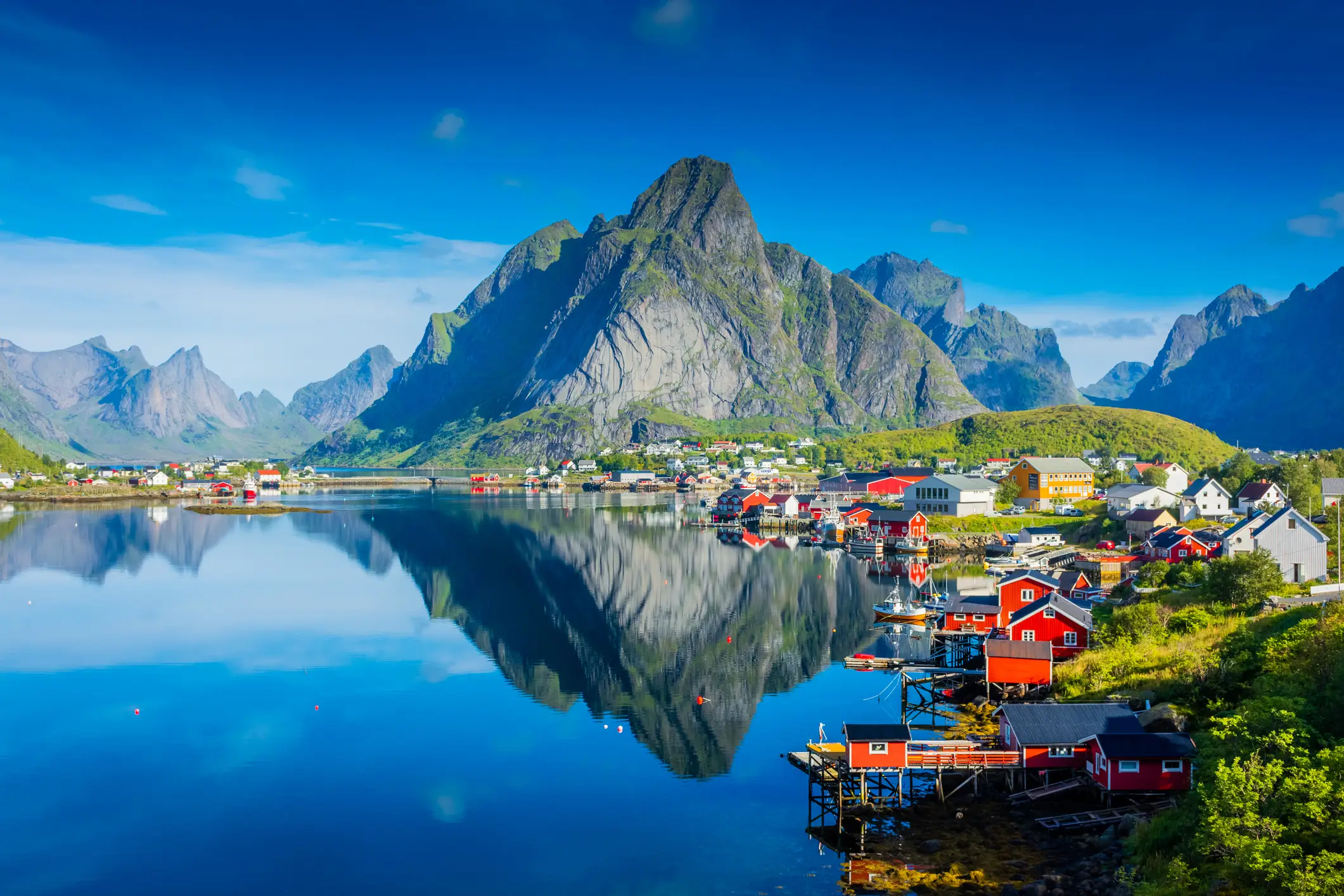
Norway
Similar to Iceland, Norway has lots of freshwater and relies heavily on renewable energy. In addition to access to ample amounts of water, Norway has good food production (seafood especially).
Norway also has a low population density, meaning the spread of infectious diseases are minimalized, there's a lowered the strain on resources, and it prevents congestion in evacuation routes.
Finland
Finland is also on the list of Nordic countries to be safe during a global disaster.
It has a good emergency preparedness and civil defense systems, reliable infrastructure and public services, and strong agricultural and technological capabilities.
Topics: World News, Artificial Intelligence, New Zealand, Iceland
 Niamh Shackleton