
Reason why 72 hours is so important as governments around the world urge people to stock up on essentials

A lot of people are being urged to stock up on 72 hours worth of goods in case of an emergency, but why is that timeframe so important?
Sadly people across the globe are facing numerous types of crises. From climate change and El Niño, to conflict and cyberattacks, there are a lot of reasons we should be prepared for an emergency situation.
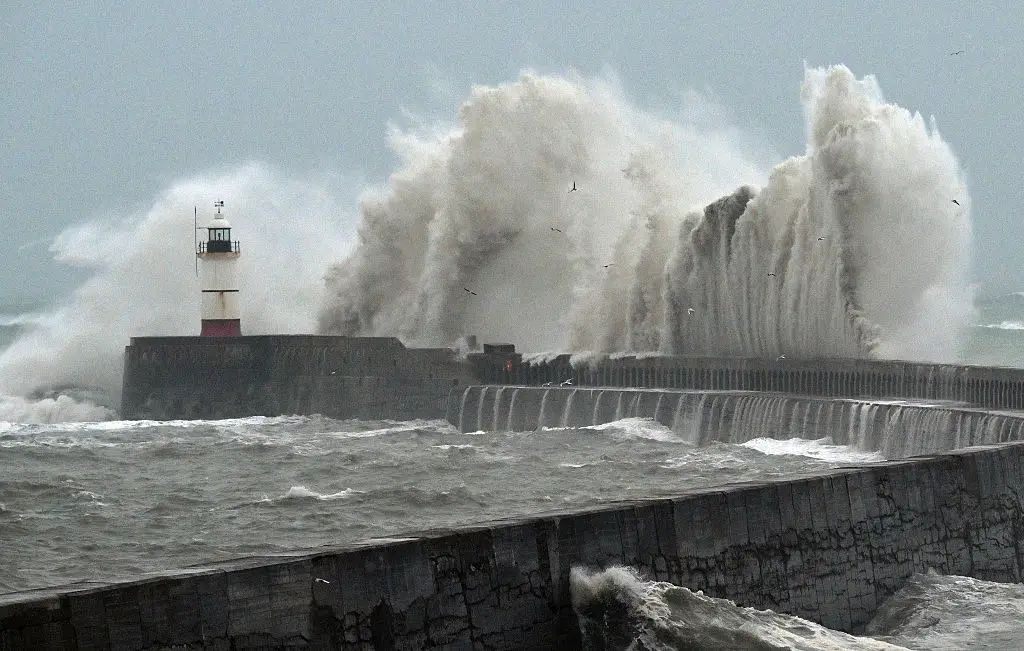
In the UK, for example, the government advised residents to stock up on 17 items in particular after Storm Boelo battered parts of the country. The storm killed two people and left tens of thousands without power, The Guardian reported.
But apparently the UK is far behind with this advise compared to other parts of the world. Disaster planning expert Professor Lucy Easthope told the BBC: "Countries like Scandinavia, Denmark, Sweden, Norway, they've been good at this for years."
Advert
"This is one area where I'm very comfortable saying we are playing massive catch-up," she added.
Over in France, residents are urged to stock up on 72 hours worth of essentials, while Germans have been told that they should have enough supplies to last for a 10-day period.
But why is 72 hours the apparent sweet spot when it comes to stockpiling goods? According to CNBC, being equipped for the first three days of an emergency situation will help people cope while emergency services and authorities respond to a crisis.
For example, during a severe flood the emergency services need to focus on helping those whose lives are in immediate danger, as well as carry out rescues and keeping hospitals running. In the meantime, households will have to rely on their own supplies temporarily.

WION News adds: "Authorities consider 72 hours a practical preparedness target. It provides a buffer during disruptions while remaining manageable for many families in terms of cost and storage space.
"The advice also reflects growing concerns about hostile states, cyberattacks and sabotage.
"British officials have warned that attacks on digital systems and critical infrastructure could disrupt everyday life without a conventional military assault.
"Japan, which has long prepared for earthquakes, considers three days the minimum and encourages households to aim for a week of supplies where possible."

The British Red Cross has weighed in on the UK government's recent advice and insisted that its not asking Brits to 'prepare for a major disaster'.
"Instead, it's about being ready to cope with short-term disruption to everyday services such as electricity, water, communications, transport or access to shops," the charity explained.
"Having a few essential supplies at home, a simple household plan and access to reliable information can make these situations easier to manage."
Topics: World News, UK News
 Niamh Shackleton