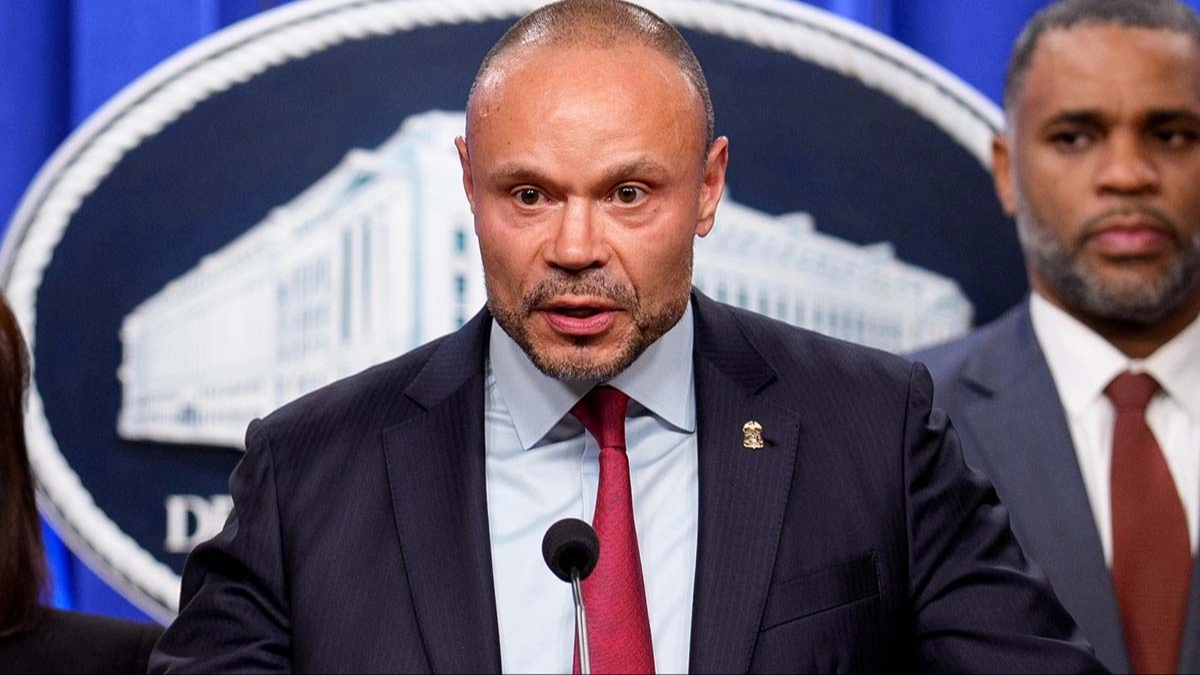
Ex-FBI boss urges Americans to take stockpile warnings seriously and reveals the most important items

Dan Bongino, the former FBI Deputy Director has urged Americans to have at least three days of food and power ready as governments overseas and the Pentagon plan for emergencies.
"Have yourself an emergency radio, have yourself some batteries, get yourself some emergency food, get yourself a rain collection and water filtration, some filtration tablets," Bongino said on the The Dan Bongino Show podcast on Monday.
“Get your stuff today. Please. Do it for your family,” he added, urging the public to do what the UK and European governments are telling their citizens: have a preparedness plan.
His message came just hours after details of FORTRESS were revealed, a Pentagon plan to keep US forces fighting and military bases stocked for at least 90 days, even if civilian infrastructure fails.
Advert

Pentagon chief spokesperson Sean Parnell told Fox News: “We don’t want to rely on standard civilian municipal infrastructure to run our national defense.”
The plan calls for portable nuclear reactors, large battery systems and independent local power grids to keep bases running through blackouts, plus civilian factories ready to switch to defense production and stockpiles of ammunition, fuel, critical minerals and medical supplies.
Bongino, who has also worked for the Secret Service and NYPD, said on his podcast: “The Pentagon’s doing its job to keep our national security safe and make ‘Fortress America.’ You have to make ‘Fortress my house,’ ‘Fortress my apartment.’ Please, do it for everyone. Your neighbors are not going to have any extra food.”
What are governments advising people to stockpile?
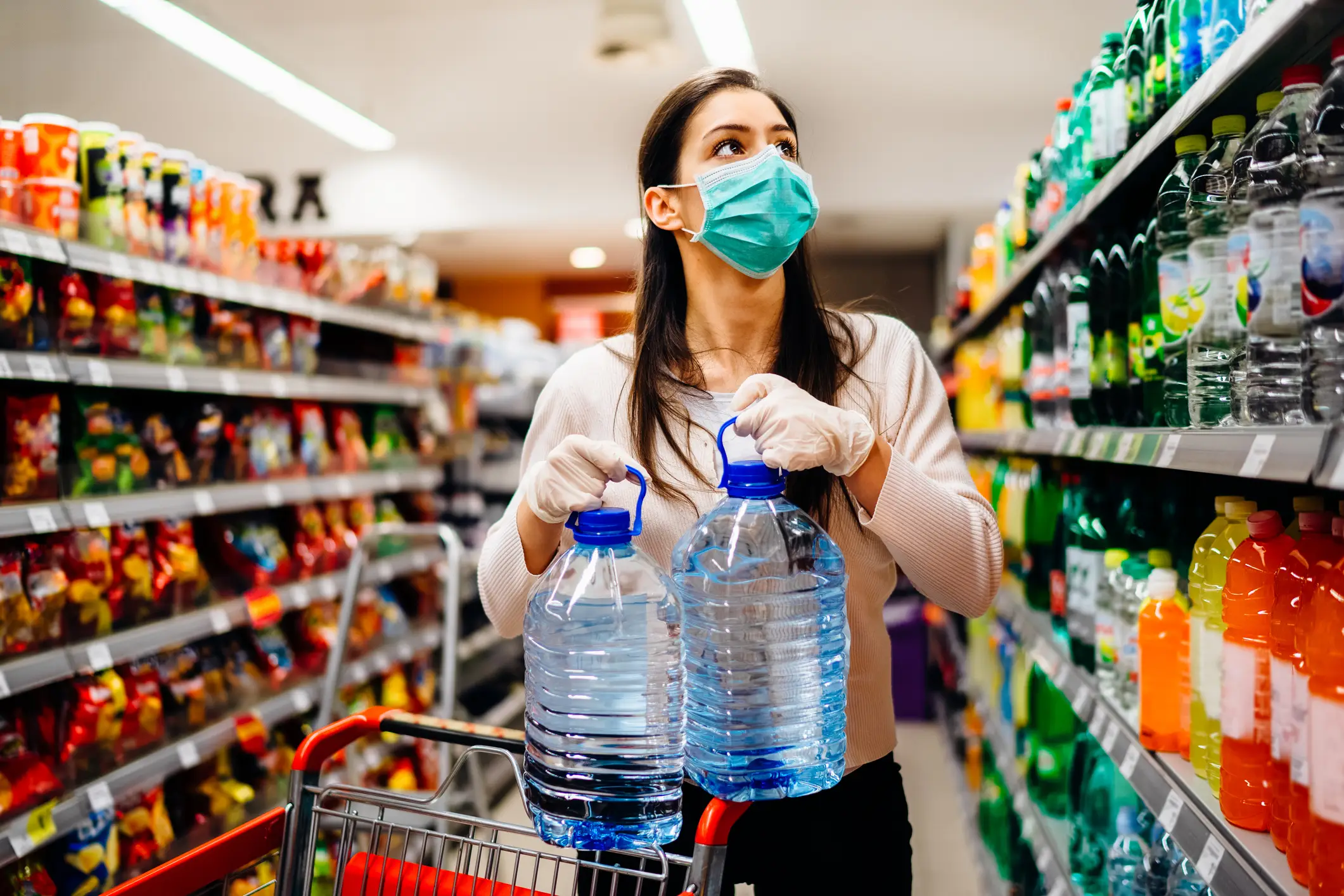
The U.S. federal government, through the Federal Emergency Management Agency (FEMA) and Ready.gov, is advising households to stockpile a basic disaster supplies kit with enough food, water, and emergency gear to last for at least three days, and ideally up to two weeks for sheltering needs.
Under current guidelines, Americans are being urged to secure one gallon of water per person, per day for drinking and sanitation, alongside a multi-day supply of non-perishable foods like canned goods, protein bars, and peanut butter that require no cooking.
The checklist extends well beyond the pantry, recommending battery-powered or hand-crank NOAA weather radios, flashlights, extra batteries, first aid kits, a 7-day supply of critical prescription medications, and essential sanitation items like garbage bags and moist towelettes.
Local maps, cell phone power banks, dust masks, and plastic sheeting for sheltering in place are also heavily emphasized.
This tightening of domestic preparedness mirrors a rapid escalation in civil defense warnings stretching across the Atlantic and into Asia.
Governments in the UK, Sweden, Germany, Ireland, the Netherlands, and France have all recently encouraged households to keep food, water, medicines, and other essentials readily available for sudden emergencies.
The UK’s updated guidance, released this month, explicitly recommends three days of supplies in case severe weather, cyberattacks, or other disruptions interrupt essential services.
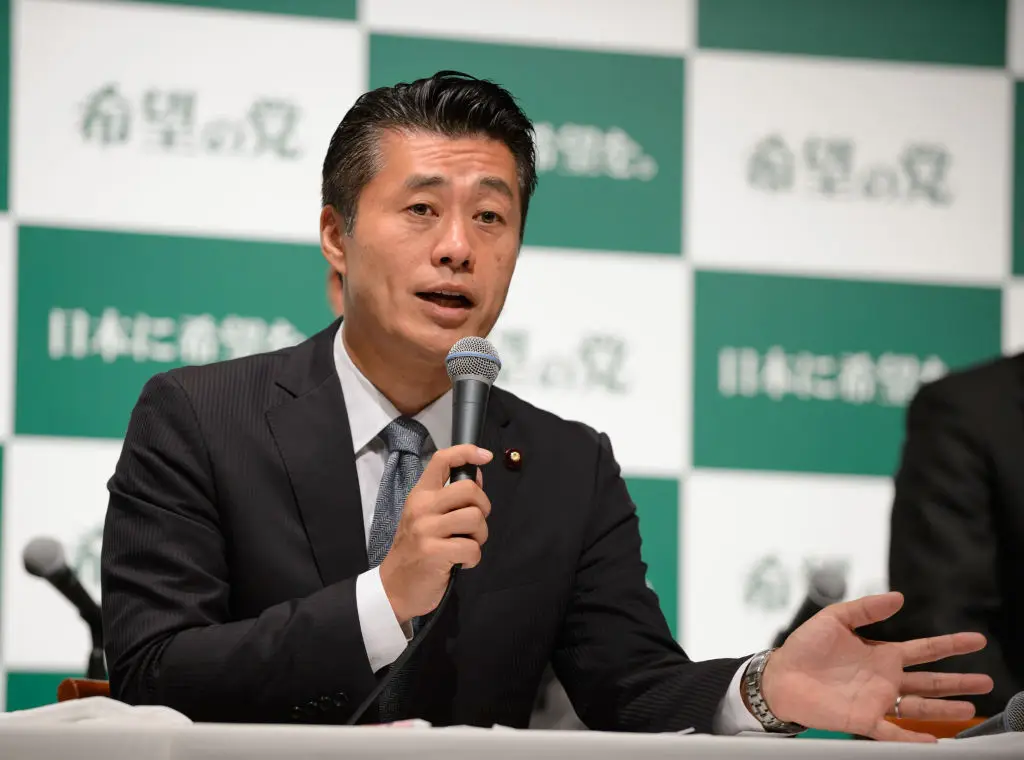
Across the Pacific, Japan’s Disaster Management Minister Goshi Hosono announced that the nation will formally urge every household to keep at least three days of food, water, and toilet supplies in anticipation of a major natural disaster, such as a large earthquake or volcanic eruption.
Bongino, 51, said ‘panic kills’ and that the best way to avoid disaster is to prepare for the worst-case scenario.
“I was not in the military. I haven’t been in combat but ask your heroes who have been. They will tell you: you can’t panic,” he said.
Topics: US News
 Thomas Bamford