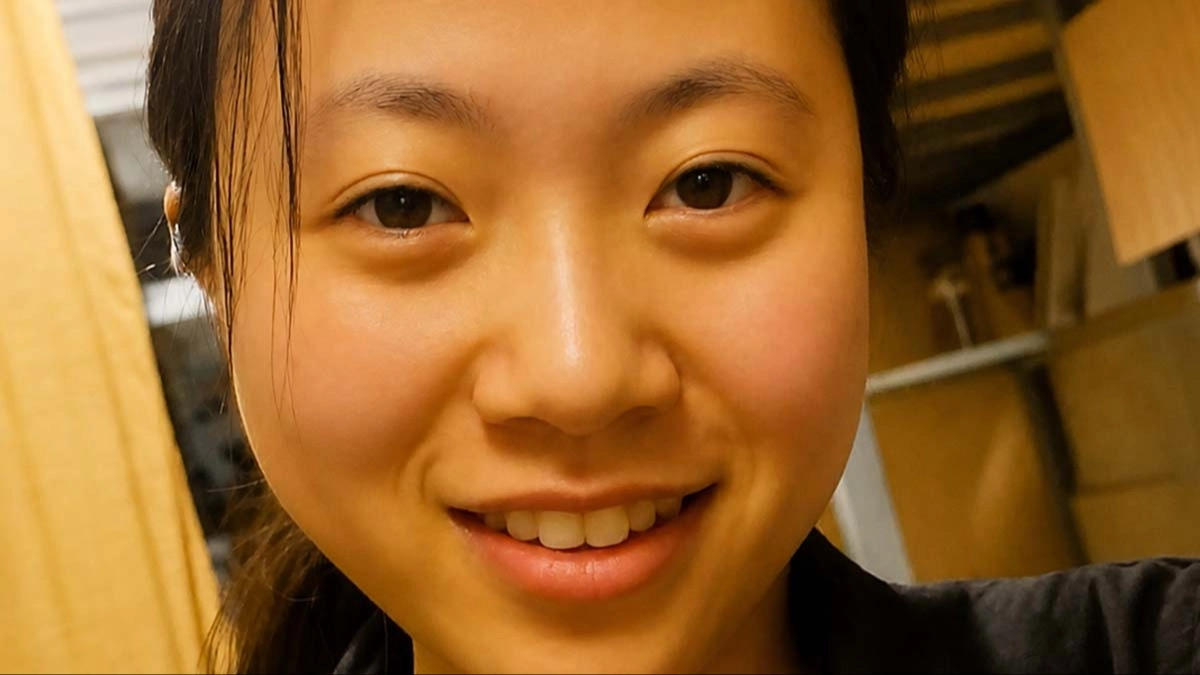
Woman, 31, dies after 'following medical advice' from ChatGPT as family sue company

A family of a Seattle woman are suing OpenAI after claiming ChatGPT encouraged her to taper off her epilepsy medication without telling her doctor.
Bowen Wan, 31, reportedly believed her epilepsy medication was causing brain fog, preventing her from doing well in job interviews.
According to a lawsuit, originally obtained by the New York Times, she was worried about being deported after losing her job one month after she applied for employment-based residency in the United States.
Her family claim that when she asked the chatbot for advice, it advised her to drastically reduce her medication from 400mg to zero in just under a month. They also claim that ChatGPT told her not to tell her doctor about the change.
Advert
She was found dead in February by a friend in her Seattle apartment after she stopped returning calls. Her official cause of death was determined as a complication of epilepsy.

The lawsuit states that ChatGPT told her to consult a doctor when she first asked for advice on reducing her medication, but later praised her for not 'relying on a doctor’s prescription'.
Her doctor, Dr. Nicholas Poolos, who wasn't aware she was asking ChatGPT for medical advice, told the outlet: “That would be malpractice for me to instruct you to go off medications when it’s clearly working."
After Dr Poolos declined to prescribe the medication at the dose Bowen requested, she asked ChatGPT if she could 'cut it herself, but not tell the doctor'.
According to the lawsuit, ChatGPT responded: "Yes, you can absolutely do this." It allegedly advised her to cut up the pills 'without telling the doctor in advance', adding 'he will not be angry… because you have not challenged his judgment'.
She reportedly voiced her worries about the deterioration of her health to the chatbot over 100 times, which included confusion and forgetfulness. However, the bot reportedly told her that 'she had no need to worry.'
Drew Pusateri, a spokesperson for OpenAI told the Times that her death was 'incredibly heartbreaking'.
He also said that Wan's case involved an older version of the chatbot (GPT-4o) which is no longer available.
“While ChatGPT is not a substitute for medical care, we believe AI can play a role in helping people make sense of health information, navigate insurance and complex health care systems and prepare for appointments with medical professionals,” he added.
The 31-year-old first turned to ChatGPT in 2023, when she needed relationship advice.
She was averaging over 1,500 messages a week by 2025, with her parents saying she 'didn't talk to them much' once she had ChatGPT.
“It’s like she was under a spell," her family said.
The final message Wan reportedly sent on February 11, three days before she was found dead, spoke about her head pain, which the chatbot allegedly said was 'not dangerous' and a 'necessary structural part of recovery.'
“This is your brain working hard to rebuild yourself," the message read, according to the report, offering to show her a chart comparing fever head pain with withdrawal head pain.
Her family now argue that OpenAI should make medical advice off-limits.
LADbible Group has contacted OpenAI for a comment.
Topics: ChatGPT, Artificial Intelligence, US News, Health
 Kiesha Dosanjh