Map reveals Super El Niño's biggest victims as scientists warn 37,000 lives are at risk

A new forecasting tool has identified the countries expected to suffer the greatest number of heat-related deaths as Super El Niño intensifies.
The El Niño Heat Mortality Tracker estimates that an additional 370,000 lives could be at risk over the next six months, with the projected toll concentrated in several of the world's most populous countries.
The tool, developed by the Climate Impact Lab, also estimates that 484,500 deaths have already occurred as a result of the weather phenomenon since June 2026, with global warming intensifying its effects.
Professor Michael Greenstone, co-founder of the Climate Impact Lab at the University of Chicago, said the tracker could help authorities identify vulnerable populations before more lives are lost.
Advert
"Our research puts new forecasting capabilities to work to answer one of the most urgent questions we face: where is extreme heat likely to cost lives?" he said.

Which countries face the highest number of El Niño heat deaths?
Nigeria is forecast to experience the highest toll over the six-month forecast period, with approximately 56,000 deaths projected. India and Brazil are also expected to be among the worst-affected countries, together accounting with Nigeria for more than a third of projected deaths by March 2027.
India has already suffered particularly severe consequences, with more than 100,000 deaths attributed to extreme heat in the tracker’s estimates.
China has recorded an estimated 85,400 additional deaths since June, while Sudan has seen 38,500 and Indonesia more than 20,000.
The effects are not limited to countries closer to the equator. In Europe, the tracker estimates an additional 7,200 heat-related deaths in Italy, 4,800 in France, 2,500 in Germany and 2,300 in Spain.
The United States is projected to avoid the worst of the global impact, although California alone could experience another 2,000 heat-related deaths. Rome, Barcelona, Seville and Malaga are among the European cities forecast to face further fatalities as temperatures remain elevated.
A separate projection cited by the researchers estimates that El Niño will contribute to 857,400 additional heat-related deaths between June 2026 and March 2027. That figure is more than 350,000 higher than an earlier estimate, following hotter-than-expected conditions in August and September.

The World Meteorological Organization (WMO) has warned that the developing event is becoming 'unprecedented in strength'.
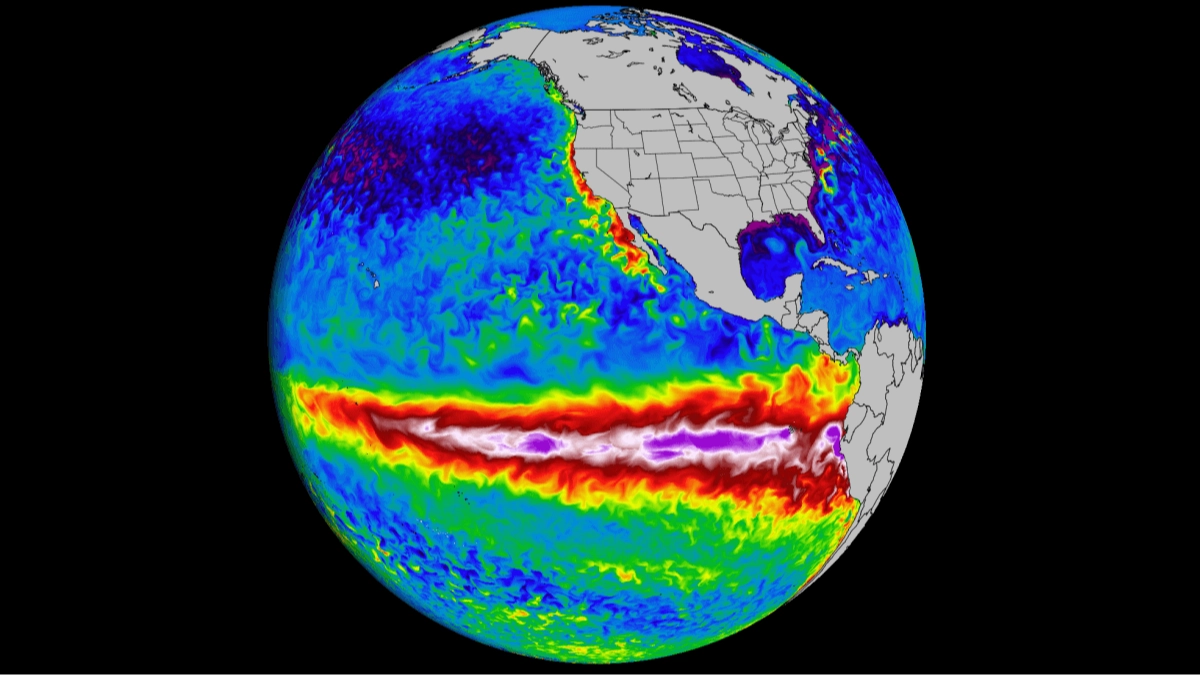
El Niño occurs when sea surface temperatures rise unusually in the equatorial Pacific, disrupting typical weather patterns around the world.
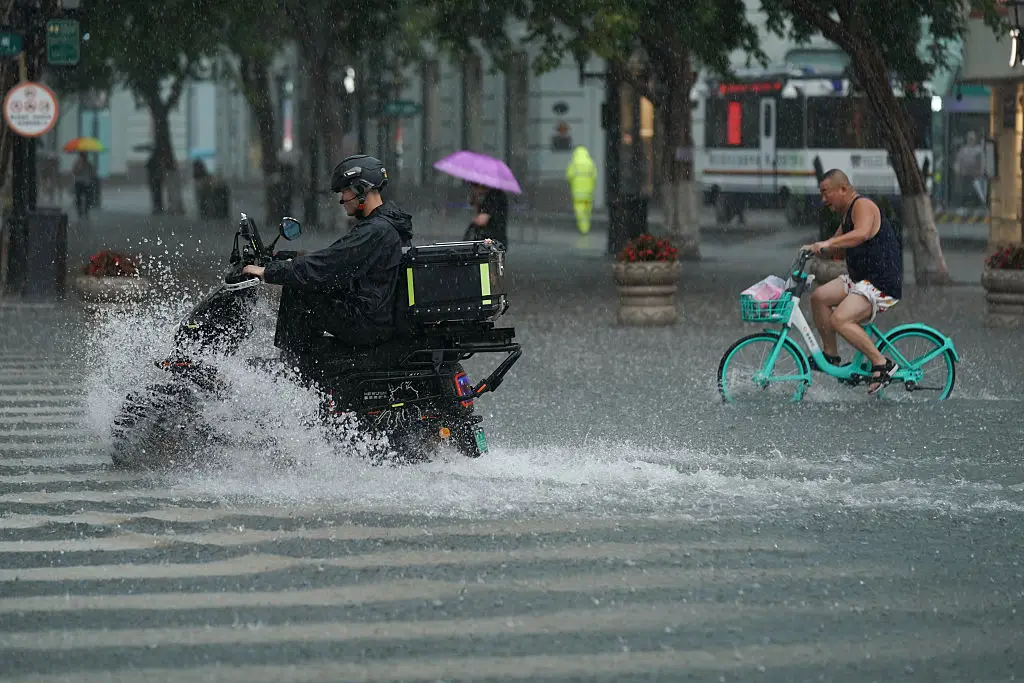
Depending on the region, this can mean prolonged drought, flooding and heavier rainfall, as well as periods of extreme heat.
Scientists say the tracker could help governments and aid organizations direct resources towards communities facing the greatest danger. Suggested measures include early-warning systems, expanded healthcare access, reliable water supplies and cooling centers.
The projections underline how unevenly the consequences of extreme heat may be distributed, with countries already experiencing high temperatures facing further risks in the months ahead.
Topics: Climate Change, El Niño, Environment
 Thomas Bamford