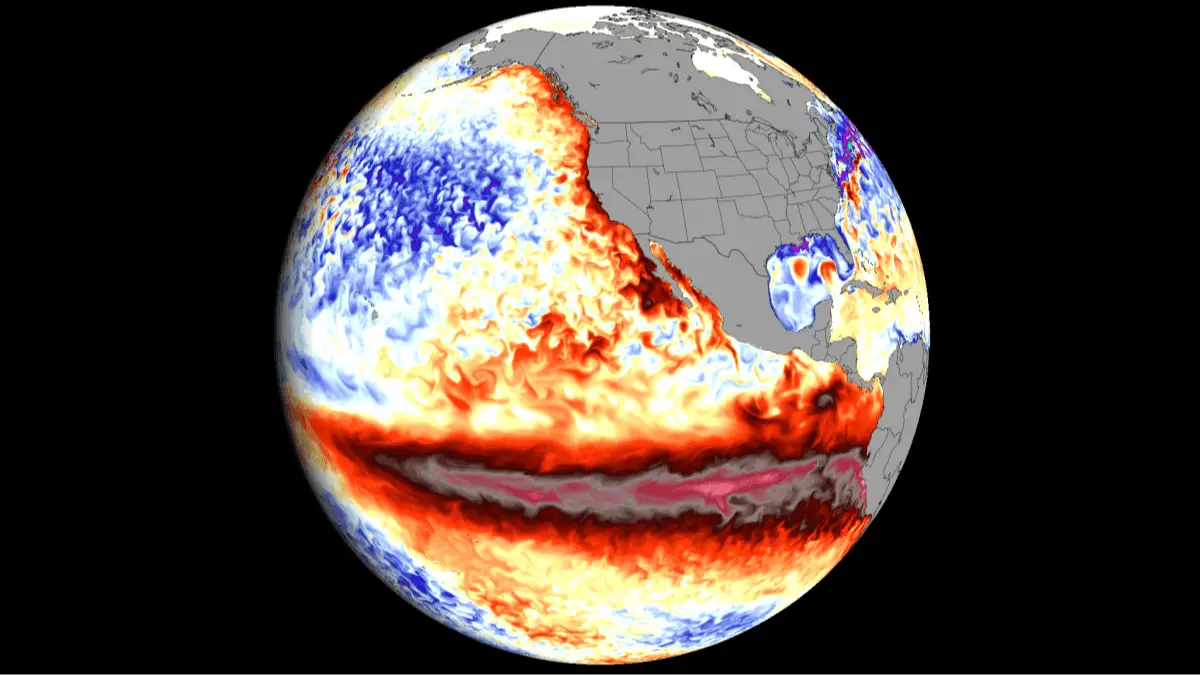
Expert issues haunting warning as Super El Niño and climate change will lead to intense hurricanes

A expert has issued a warning as the so-called 'super' El Niño and climate change will lead to intense hurricanes in the future.
While we're well aware of the damage climate change is causing, the talk of El Niño has been ever present in more recent times.
The natural climate cycle occurs when the surface waters of the central and eastern tropical Pacific Ocean become unusually warm, which in turn can cause extreme weather events.
The US has become well accustomed to tropical storms this year, including Hurricane Polo, which set a record for the time spent as a Category 5 status in the Pacific.
Advert
And it appears such may not be a one-off, as El Niño and climate change continues to cause issues.
Climate scientist Friederike Otto said: "El Niño and climate change both made this hurricane stronger than it would have otherwise been, but the effect of climate change is even bigger than the one of El Niño.
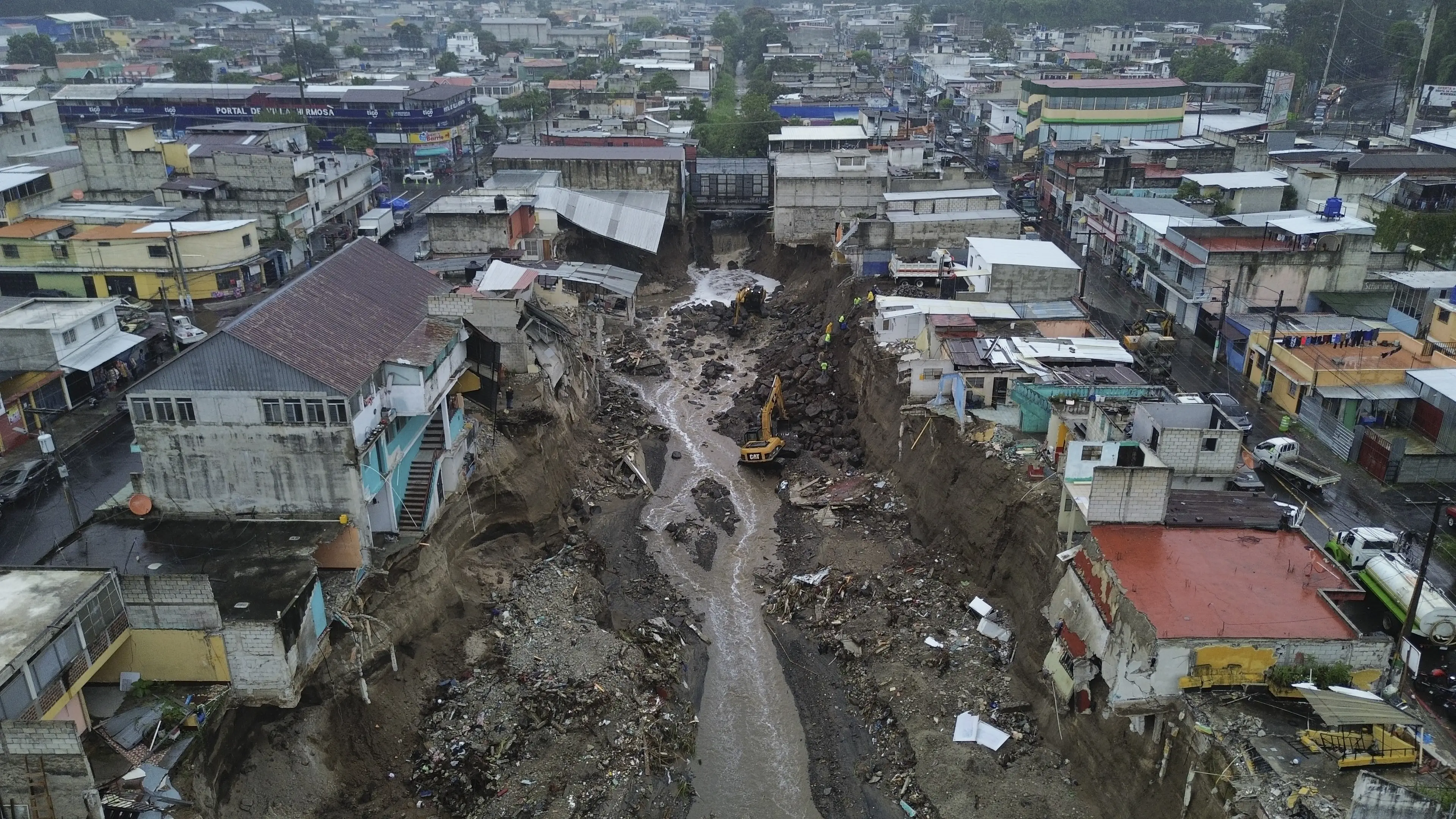
"El Niño comes and goes, but climate change only gets worse. That means every hurricane that occurs in the East Pacific now has at least this climate change signal making it stronger. And as long as we keep burning fossil fuels, that will only get bigger."
In the more short term, a science communicator has detailed what regions of the US are most likely to suffer from volatile winters this year and heading into next.
Maiya May, from PBS Digital Studios, told UNILAD: "Well, the first thing to understand about jet streams in the US is that there are multiple. It’s the mid-latitude jet stream that usually moves weather patterns across the US. But in El Niño years, the warm pool of water that drives thunderstorms in the Pacific Ocean moves east.
"That totally changes global weather patterns. Instead of dominating our weather, the familiar mid-latitude jet stream gets pushed north into Canada.
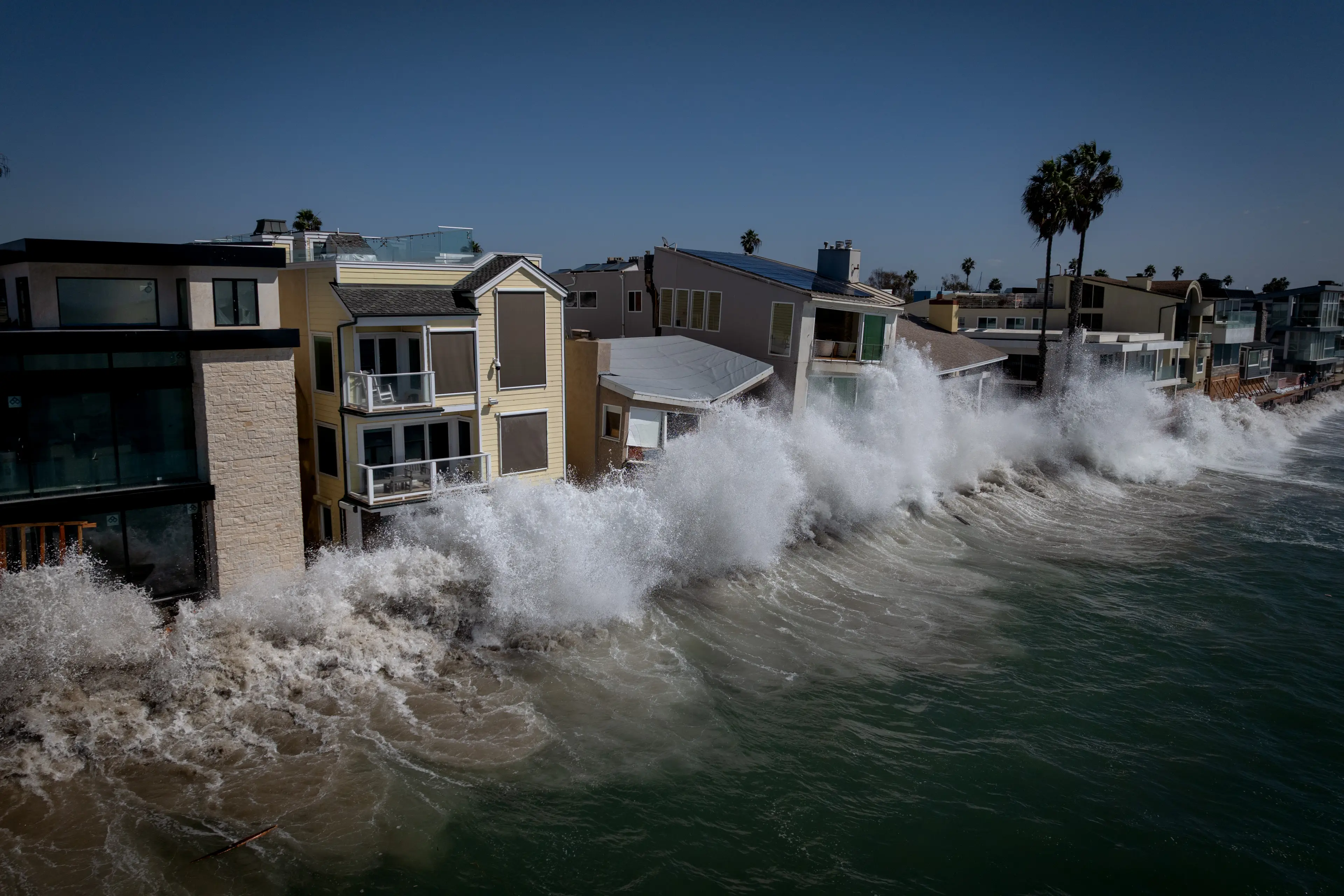
"Meanwhile, the subtropical jet stream extends across the Southern US, carrying a firehose of Pacific moisture. That makes rain much more likely in the South, while leaving the Pacific Northwest warmer and drier."
The expert added: "The subtropical jet stream extends across the Southern US, carrying a firehose of Pacific moisture. That makes rain much more likely in the South, while leaving the Pacific Northwest warmer and drier."
May went on to explain that El Niño cycles 'span multiple years' and scientists can 'see them develop and get an early window into winter weather during peak summer months'.
Topics: Climate Change, El Niño, Environment
 Callum Jones