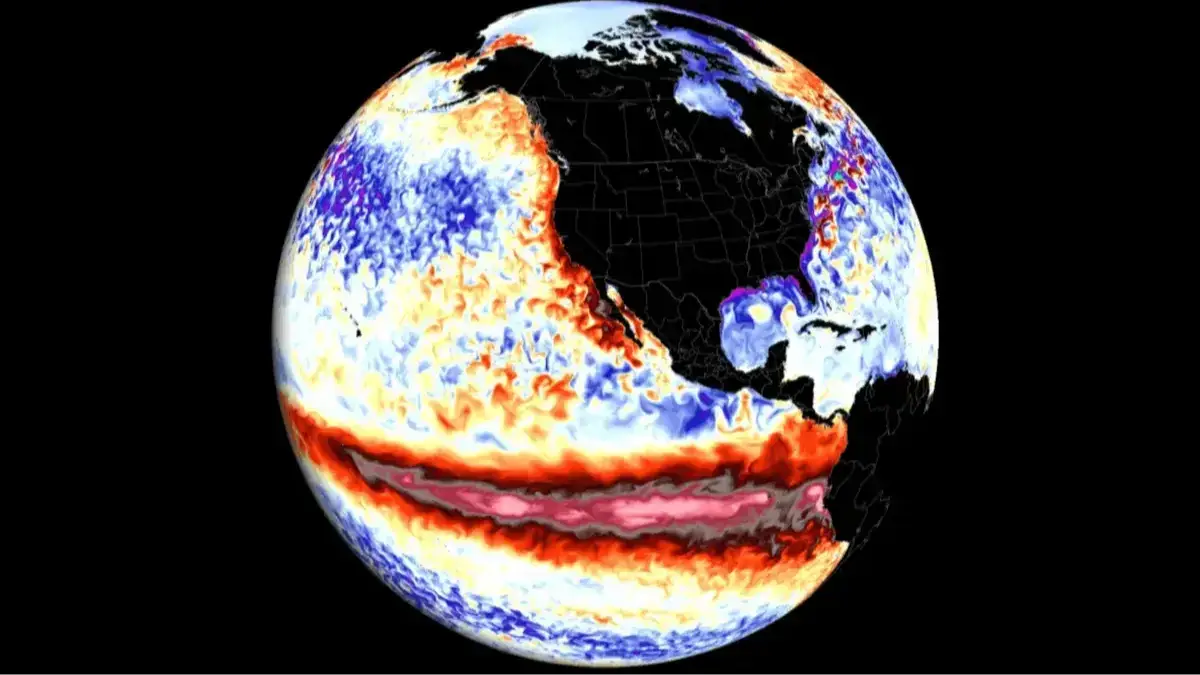
What 'El Niño' actually translates to as language expert reveals bizarre origin

The El Niño set to cause issues for 19 states that have received a weather warning has finally had its name explained, after its translation refers to children.
For the past few months, meteorologists have predicted an El Niño weather phenomenon that was due to influence Americans seasons, such as over the summer.
However, as we enter the colder months, it appears that it’s going to be at its height in winter and the beginning of 2027.
Now, these weather events aren’t rare as they encroach on hurricane season in the Pacific, but sometimes, they develop into something that’s incredibly strong, and could see regions experience dangerous levels of rain, snow or drought.
Advert
Because of the impact it may have on the US, experts have warned that up to 19 states could be affected by snowstorms, particularly along the East Coast.
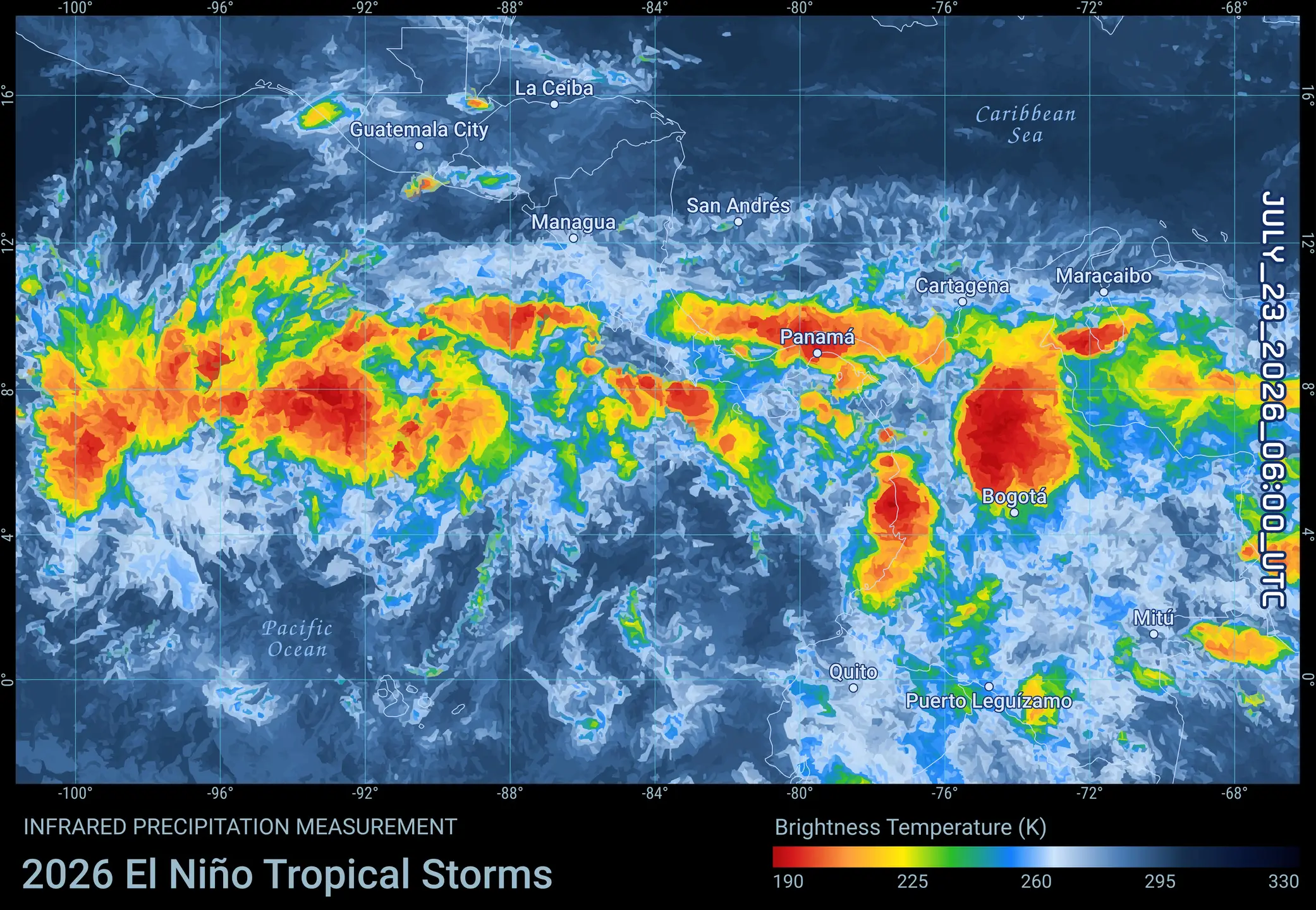
For example, recent reports show the potential areas could be the border of southern Maine to the very tip of Florida, Alabama, Mississippi, Louisiana and Texas.
California is also expected to see rain, snow, sleet and hail.
The El Niño, which translates from Spanish to 'the little boy', has a historical significance, and if you thought the name made no sense – it will when you read what this expert says.
Speaking to UNILAD, Madeline Enos, language trends expert for language learning app Preply explained why the weather phenomenon El Niño is given this name and the origins behind it.
Obviously, the storm isn’t a little boy, and neither is a child hiding in the middle of it.
According to her, 'the name “El Niño” was given by Peruvian fishermen in the 1600s’ who were the first people to realize that the ‘warm ocean water disrupted fishing and reduced their catch, because it typically occurs around Christmas.’
“It’s thought that the phenomenon was first coined ‘El Niño de Navidad’, meaning ‘the Christ Child’,” she said.
This is because, at the time, ‘the warm water typically peaked in late December, coinciding with the birth of Jesus Christ.’
However, as with language in general, things changed and evolved throughout the years, leading to the name to shorten.
Enos said: “In later years, this was shortened to ‘El Niño’, translating to ‘the boy’ or ‘the little boy’ in Spanish, describing a climate event where sea temperatures become unusually warm, affecting weather patterns.”

Another weather event, known as ‘La Niña', meaning ‘the little girl’ in Spanish, is the opposite to the above phenomenon, and instead occurs ‘when oceans become cooler than usual.’
According to the expert: “What’s significant about these names, ‘El Niño’ (little boy) and ‘La Niña' (little girl), is that they make it easier to distinguish between the two opposite climates, while reflecting their Spanish-speaking origins of the South American coast.”
As for its brother, AccuWeather claims that 2027 may come to set records that are at odds with what other experts have predicted.
Instead of bringing snowstorms, their expert, Paul Pastelok, said in a statement: "It may be more about rainfall this year, coastal flooding, and rivers rising. That’s something you talk more about during the spring, but it could be the opposite this year."
 Britt Jones