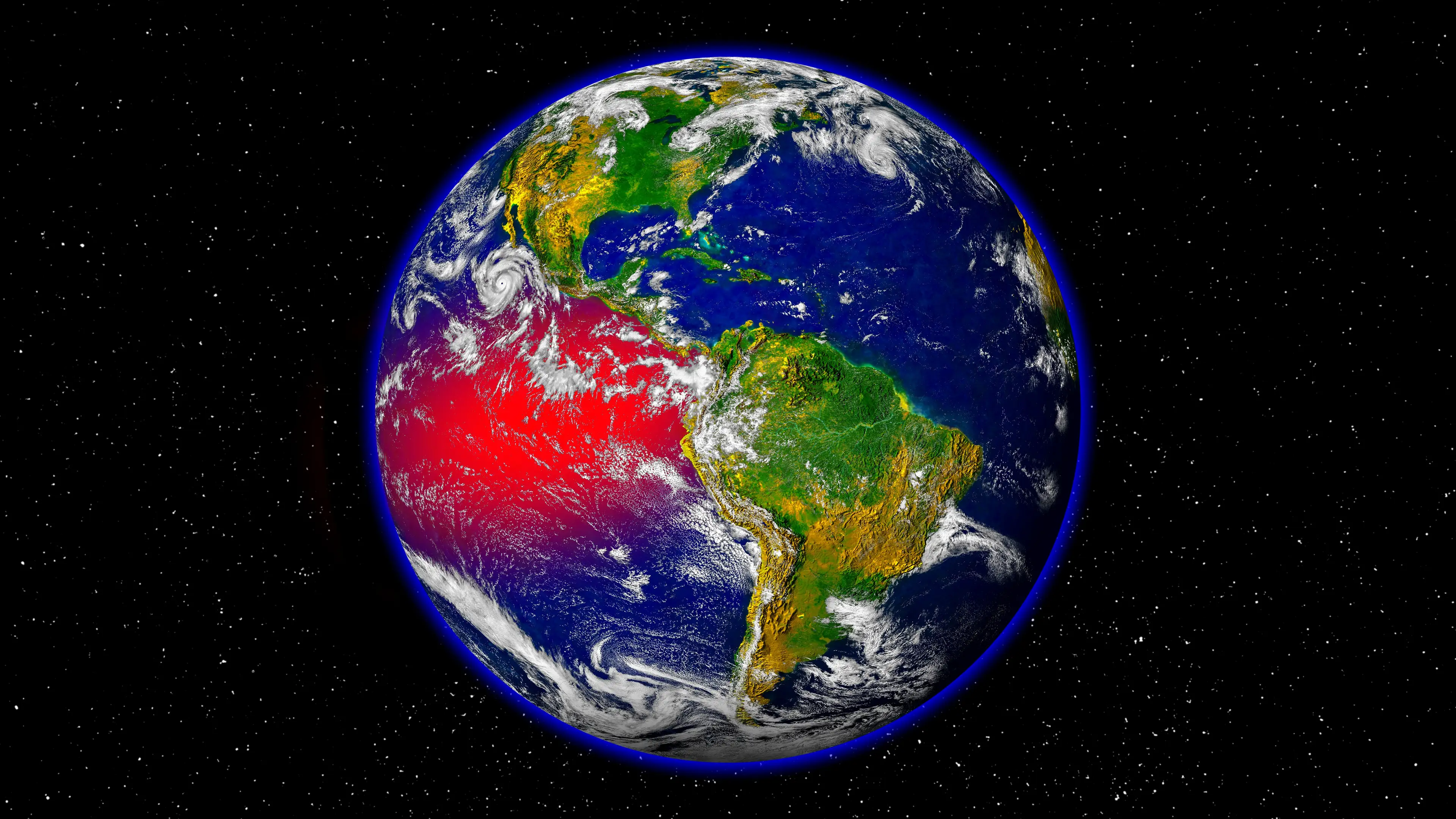
How El Niño could disrupt your Thanksgiving travel plans and how to prepare

It feels like all we're talking about at the minute - and for good reason, as the potentially record-breaking El Niño is threatening to disrupt Thanksgiving and Christmas.
If someone in your family tends to leave it late before hopping on a plane home over the festive period, then you might want to warn them that travel plans across the country will be threatened by the weather event.
Millions of travelers may face heavy storms, flooded roads, and flight delays, as the developing super El Niño takes grip of the US.
It has already broken a 170-year record and is expected to continue strengthening over the fall, directly impacting weather patterns during the upcoming holiday travel season.
Advert
All forecasters stressed that it is still too early to know for sure what the climate phenomenon will do during the festive period, but patterns point toward significant regional variations.
Professor Richard Allan, a climate scientist at the University of Reading, explained to Newsweek that 'based on past events there is a tendency for cooler, wetter and stormier conditions to affect the southern United States over the winter but with warmer and drier conditions in the northeast'.
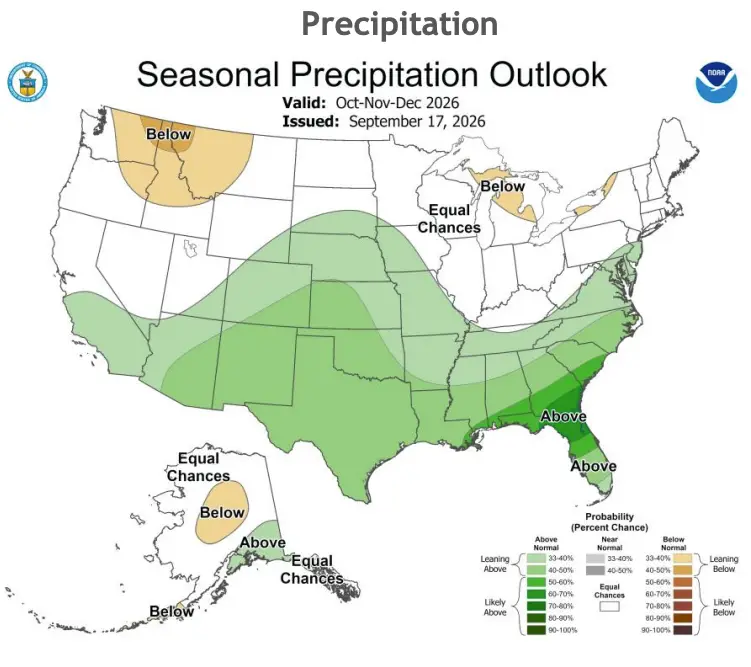
This means states like Texas, Louisiana, Mississippi, Alabama, and California could face flooded roads, reduced visibility, and weather-related flight delays during peak holiday travel dates.
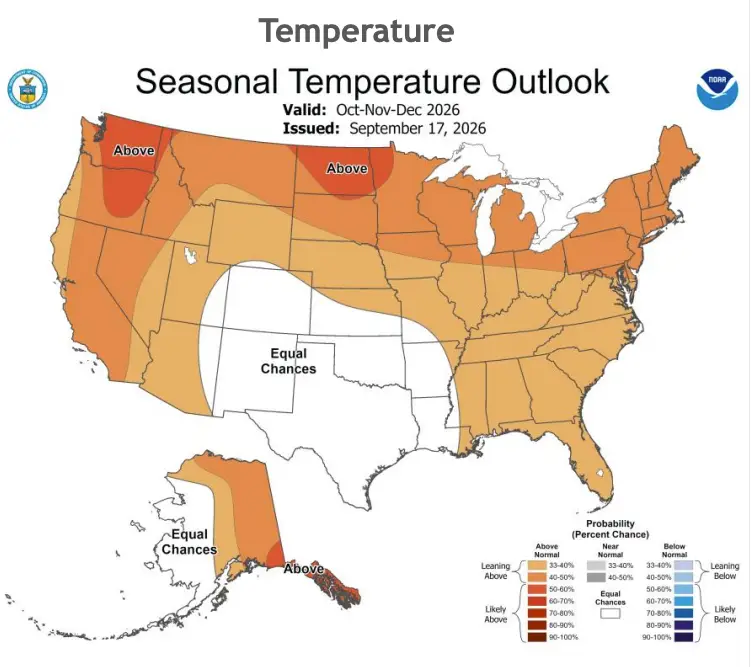
Conversely, northeastern states such as New York, Pennsylvania, and New Jersey often see drier and warmer conditions during El Niño winters, potentially offering smoother travel conditions than in the south.
Allan warned specifically of 'deluges and associated flooding' which are being 'super-charged by the warmer world we live in, driven by our greenhouse gas emissions'.
If southern states experience heavy rainfall during Thanksgiving and Christmas, travelers could face roads left unusable from floods and mudslides, while flight delays are also expected to cause problems for passengers flying across the country.
Atmospheric science Professor Paul D Williams pointed to research predicting that flights may be 'a lot bumpier than normal in the year ahead' due to stronger windshear and increased turbulence created by El Niño.
Meanwhile, senior research scientist Akshay Deoras advised travelers to keep track of local National Weather Service forecasts before setting off, noting that impacts can occur anytime between November and spring.
In preparation for the historic weather event, last month California Governor Gavin Newsom proclaimed a state of emergency as a precaution to mobilize state resources ahead of potential winter storms.
His office issued a statement which read: "As a historic El Niño storm season develops, Governor Newsom is proclaiming a state of emergency today, mobilizing state resources ahead of potential winter storms and other impacts."
The proclamation directs state agencies to protect vulnerable communities, prepare critical infrastructure, stage emergency supplies, and help local partners reduce flood and landslide risks.
Newsom explained: "California is strongest when we look out for one another. That is what this action is about.
"Giving communities the support they need, giving first responders the tools to do their jobs, and giving families the confidence that their state is ready.
"We are preparing for this El Niño early because every Californian deserves to be safe in their home, connected to their community, and protected when severe weather comes."
 Joe Yates