Scientists warn El Niño could trigger 500,000 deaths as they urge WHO to declare global health emergency

Scientists have urged the World Health Organization to declare the 'discrete and deadly event' a global health emergency, with a warning that it could kill hundreds of thousands.
While you would be forgiven for thinking El Niño was just another buzzword being thrown around in weather reports, experts have now warned that the phenomenon could have a much bigger impact than we might realise.
Dr Colin Carlson, an assistant professor of epidemiology at Yale University, has now warned that the extreme weather pattern could result in 'pandemic-scale mortality' across the world, and should be classified as a global health emergency.
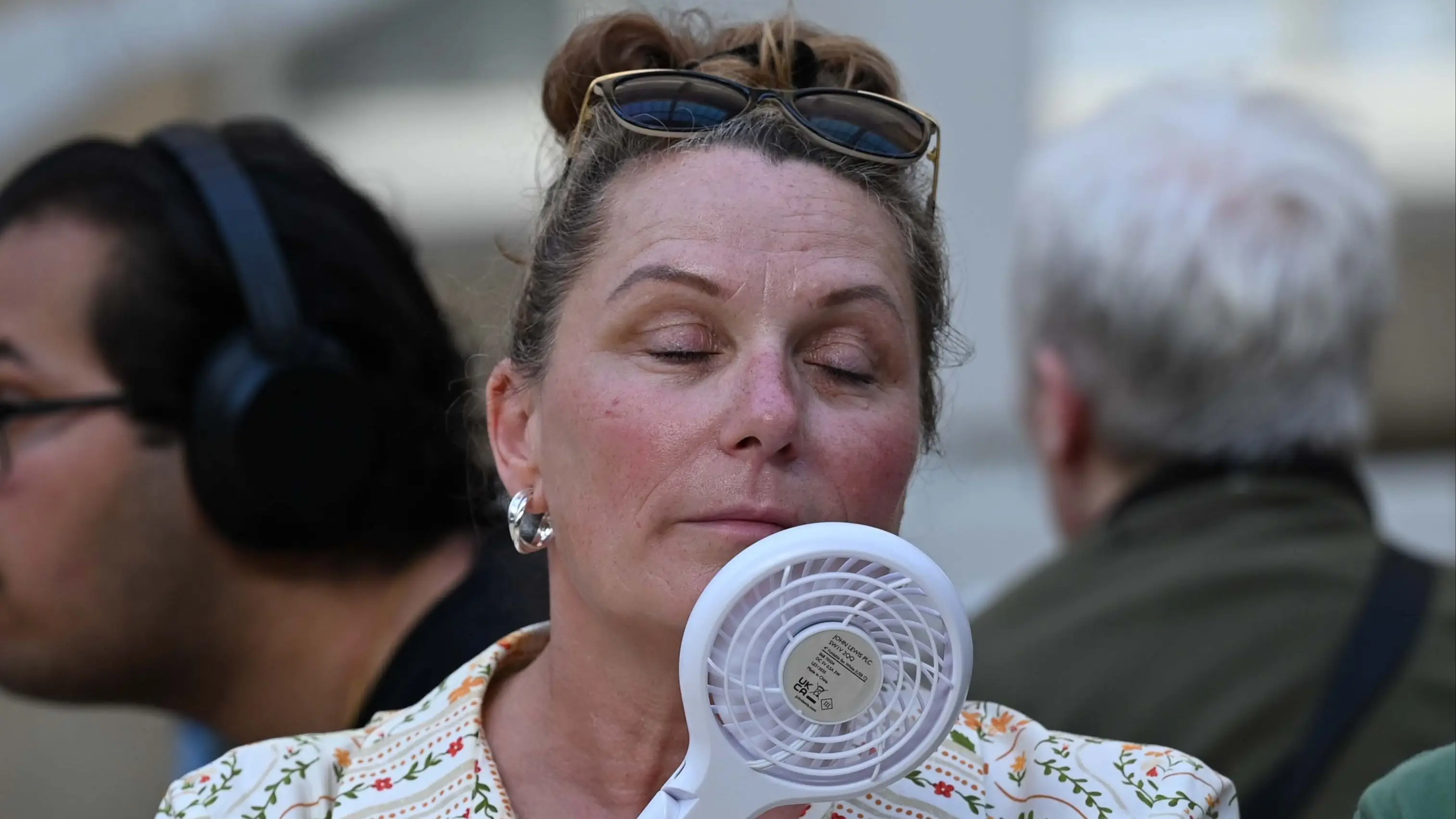
Writing for Think Global Health, the expert said: "An early analysis suggests that nearly half a million deaths will result from extreme heat alone, to say nothing of epidemics of dengue fever, cholera, and other infectious diseases that could also occur in tandem."
Advert
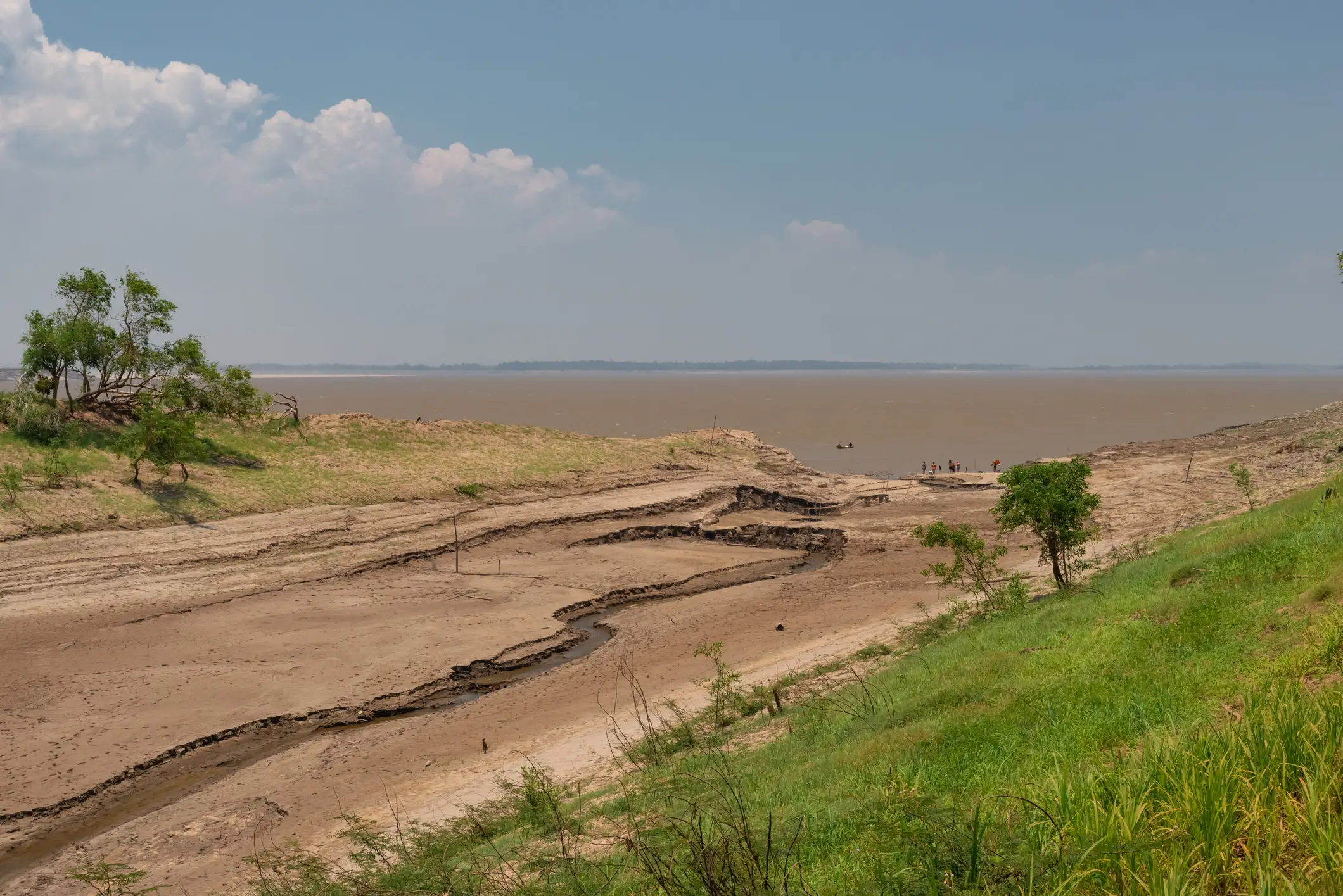
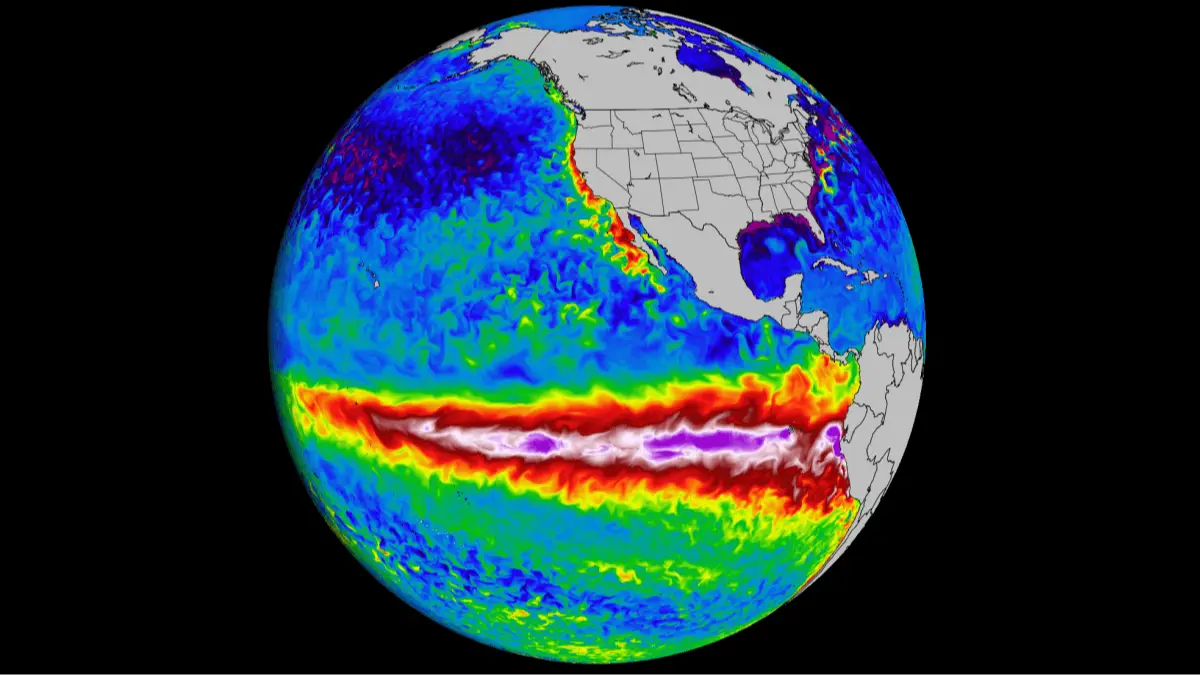
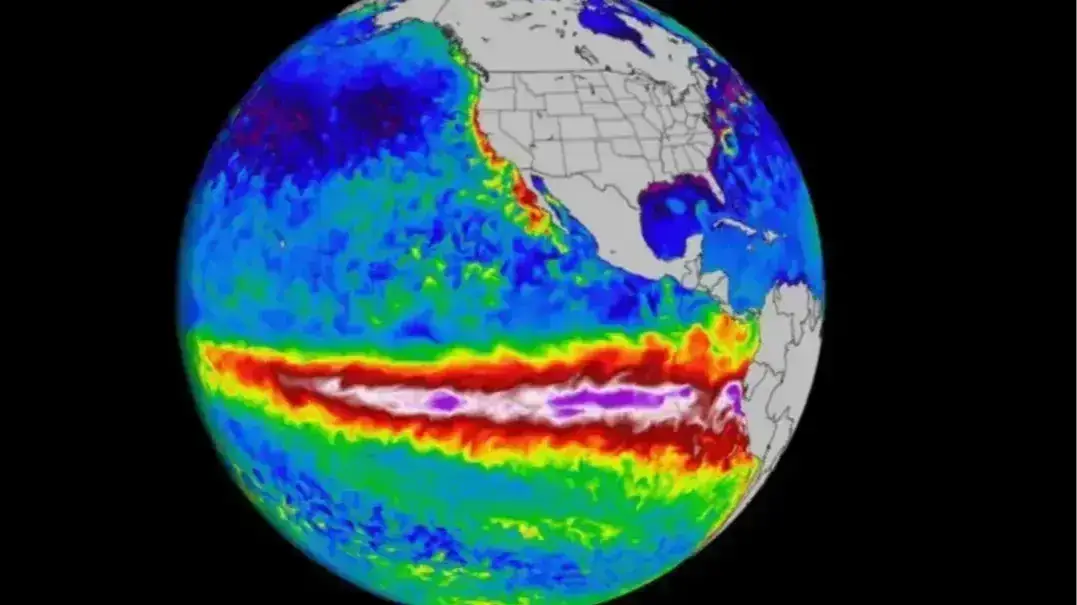
El Niño occurs every few years, usually raising temperatures across the globe by warming the Pacific Ocean - the result of which can trigger storms, severe droughts and intense wildfires.
Research by the University of Chicago's Climate Impact Lab suggests that El Niño could cause as many as 451,000 excess deaths between June 2026 and February 2027.
Speaking with CNN, Michael Greenstone, a report author, added: "We have long been able to predict the impacts of temperatures on crops, and now we can predict their impact on the worst outcome - death.
"This is such a large number that it can be numbing, but it is made up of parents and children, grandparents and neighbours, people going to work, caring for families, and living their lives."

The World Meteorological Organisation (WMO) has also issued numerous warnings, and found that the past four years had been the warmest on record.
They further claimed that El Niño would unleash 'even more heat and extreme weather well into 2027'.
Celeste Saulo, the WMO secretary-general, said: "El Niño and indeed the state of the global climate in 2026 gives new meaning to the phrase 'off the charts'.
"El Niño doesn't add new heat to the planet. It releases heat from the ocean, which is the warmest ever measured. There is simply more heat available to release.
"We are supercharging our weather and El Niño will be a risk multiplier."
United Nations climate chief, Simon Stiell, warned in his speech on Monday that the extreme weather was a 'a global health crisis of pandemic proportions'.
Topics: El Niño, Weather, World News, Science
 Mia Williams