El Niño estimated to cause 450,000 deaths in nine months as people urged to stock up on specific items

The devastating impact El Niño is expected to have on the globe has been revealed by experts who have warned that hundreds of thousands of lives are at risk.
El Niño is nothing new, but how intense it has become is. The weather pattern was first recognized by South American fishermen centuries ago.
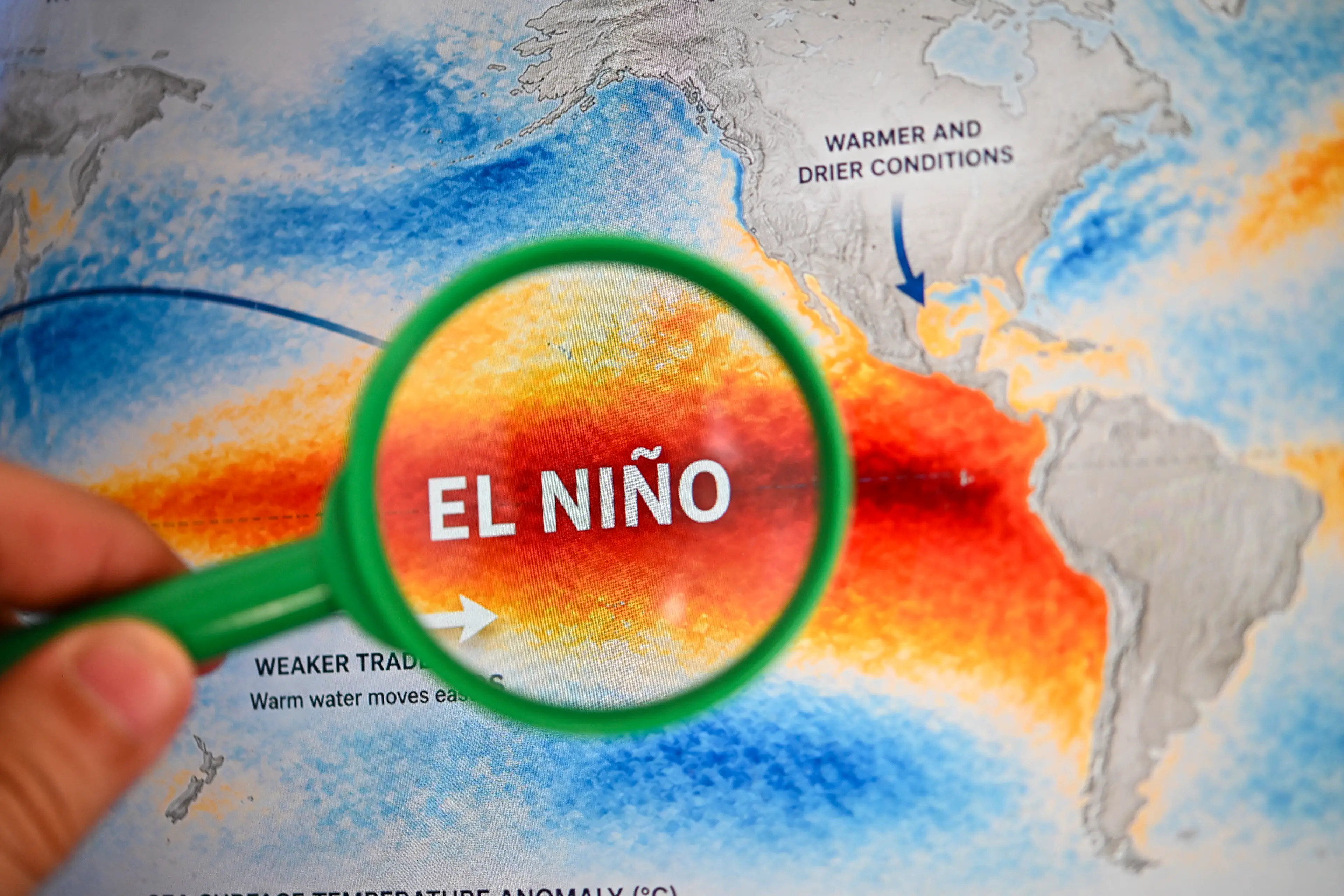
El Niños occur between every two to seven years and the last one we had was 2023 into 2024. This particular El Niño was record-breaking as a result of its high temperatures – and it's expected that the current El Niño will be even stronger.
In fact, to prepare for the possible devastating impacts of the weather event, California Gov. Gavin Newsom has declared a state of emergency and people have been urged to stock up on items like rice and pasta.
Advert
Now climate scientists have shared some further insight into what we should brace ourselves for in the near future, and it's expected that as many as 450,000 people across the globe may die from heat-related deaths. This is 65 times larger than the 6,800 people believed to be dead or missing from the recent Nepal flash floods.
A new report by the Climate Impact Lab came to this bleak conclusion. The deaths started happening in June and will carry on through to February 2027.
Michael Greenstone, a co-founder of the Climate Impact Lab and the Milton Friedman Distinguished Service Professor in Economics at the University of Chicago, said of the report: "We have long been able to predict the impacts of temperatures on crops, and now we can predict their impact on the worst outcome—death. The result is that we now can estimate that 451,000 people may die in the coming months due to El Niño.
"This is such a large number that it can be numbing, but it is made up of parents and children, grandparents and neighbors, people going to work, caring for families, and living their lives."
He added: "This report allows decision-makers to see exactly where emergency actions can be taken now to save tens of thousands of lives in the coming months."
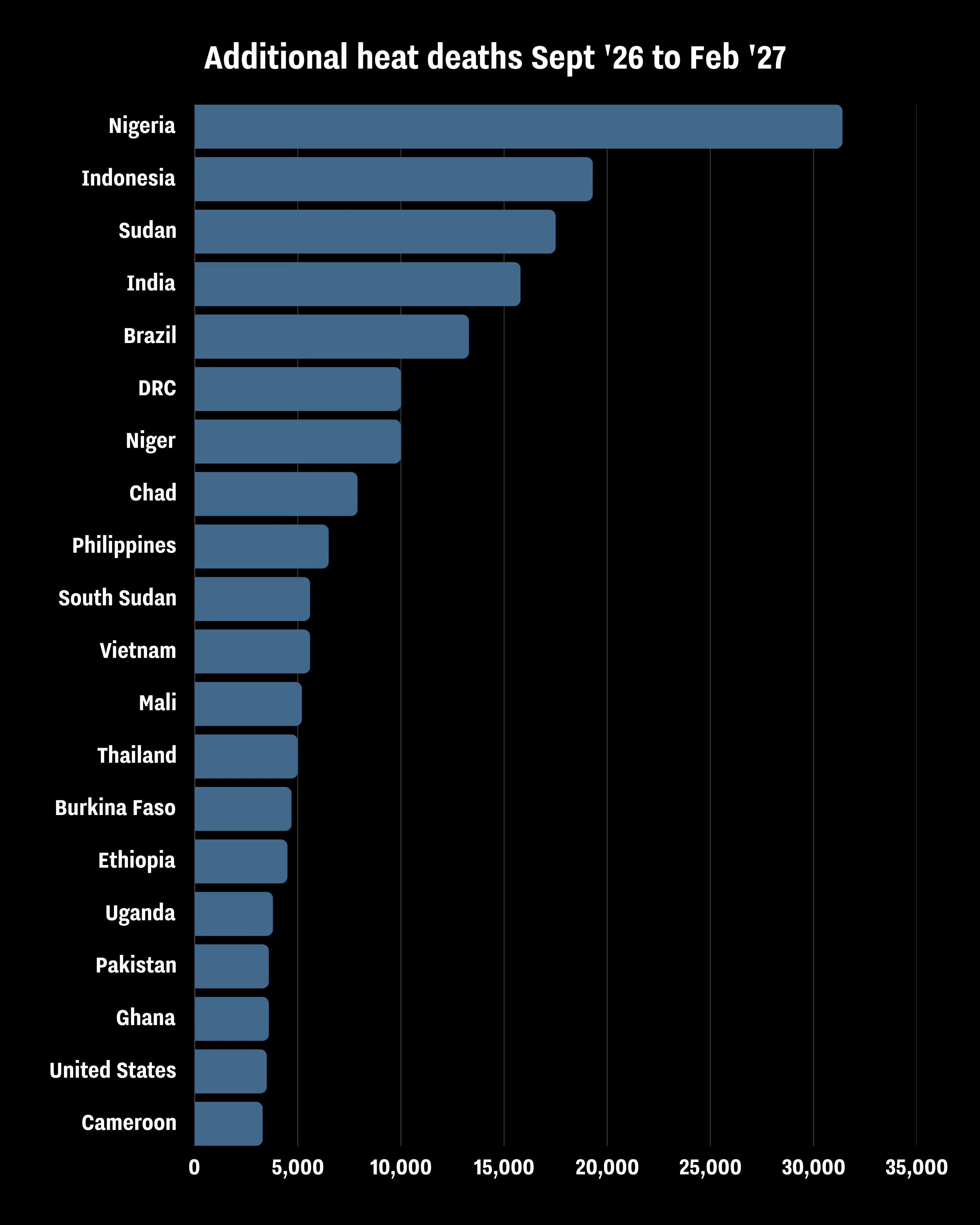
Developing countries are expected the be the worst hit. The report projects that Sahel in Africa will face 66,800 additional deaths between now and February, nearly half of which will be in Nigeria.
Elsewhere in the region, Sudan will face 17,500 additional heat deaths, Niger will face 10,000, and Chad 8,000.
Other areas that will be impacted between September through to February include:
- 19,400 deaths across the Philippines, Vietnam, Thailand, and Cambodia
- 19,300 deaths in Indonesia
- 15,800 deaths in India
- 13,300 deaths across South America, most of which will occur in Brazil
The experts are raising the alarm in a bid to increase the world's emergency response to El Niño so lives can hopefully be saved.
"Increasing emergency response and better targeting our efforts can save many lives this year. But 20 years from now, once today’s extreme temperatures become the new normal, we don’t want to be in a constant state of emergency,” report co-author Tamma Carleton, Faculty Head of Research for the Climate Impact Lab and an Assistant Professor at the University of California, Berkeley, said.
"We need to mobilize resources now to design, deploy, and evaluate the preparation and planning tools that will save lives in the years ahead."
Topics: Environment, World News, Science, Weather
 Niamh Shackleton