
Key food items to keep stocked up on as state of emergency declared in US over 'super' El Niño

A state of emergency has officially been declared in the US as experts warn of a record-breaking 'super' El Niño is set to trigger widespread climate chaos. How exactly should we stock up our pantries?
California Governor Gavin Newsom took urgent action yesterday (September 22) to mobilize state resources ahead of potential winter storms, destructive landslides, and severe flooding.
The emerging climate phenomenon is already shattering global temperature records, with forecasters predicting it could easily become the strongest event in recorded history.
Newsom’s office confirmed the declaration aims to streamline crucial measures, direct state agencies to protect vulnerable communities, and stage vital supplies early.
Advert
Explaining the emergency action, Newsom said: "Giving communities the support they need, giving first responders the tools to do their jobs, and giving families the confidence that their state is ready."
He added: "We are preparing for this El Niño early because every Californian deserves to be safe in their home, connected to their community, and protected when severe weather comes."

If you don't already know, El Niño is a natural climate pattern that occurs when sea surface temperatures across the tropical Pacific Ocean rise well above average, fueling severe weather conditions around the globe.
Experts warn that the oncoming storm season could trigger powerful tornadoes, huge ocean waves, higher sea levels, and unexpected disruptions to food supply chains across the world.
"Things that were in supermarkets and seen as relatively abundant may all of a sudden be in shortage," supply chain strategy expert Professor Richard Wilding told the BBC.
With extreme weather threatening to leave shelves empty, health specialists are urging households to build a reliable emergency food stash before any potential crisis hits.
Nutritionists have now revealed the essential staple items you should keep stocked up in your cupboard to ensure your family stays nourished during a prolonged emergency.
Dr Sammie Gill, a senior nutrition scientist from the British Nutrition Foundation, says shoppers should prioritize complex carbohydrates like wheat biscuits, wholegrain cereals, crackers, oats, rice, and pasta.
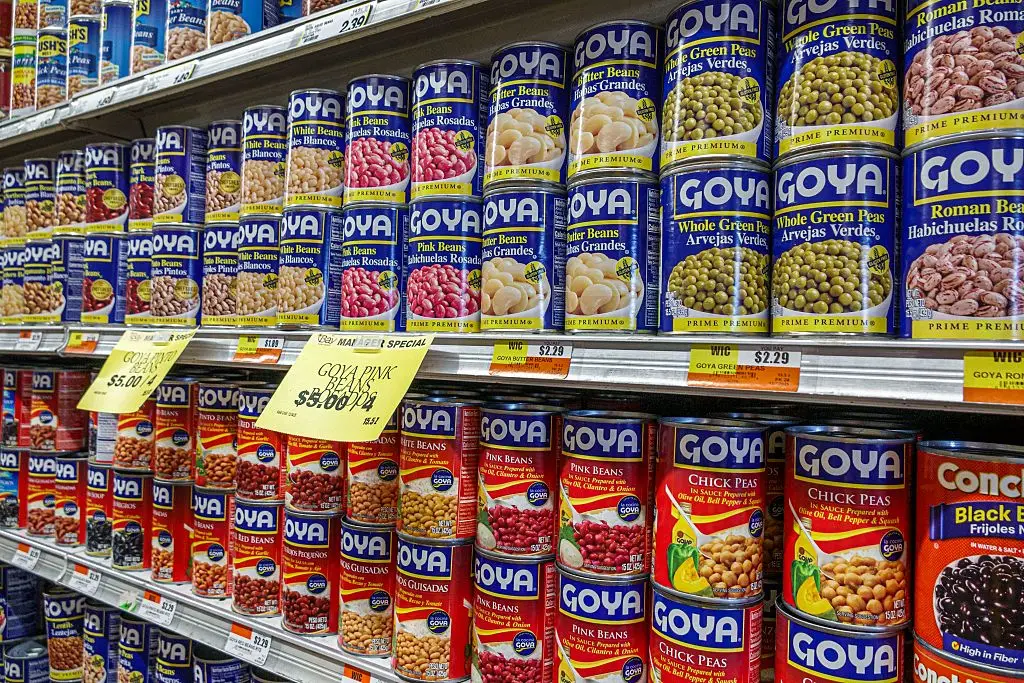
For long-lasting protein, experts advise stocking up on canned chickpeas, lentils, kidney beans, unsalted nuts, peanut butter, and canned oily fish like tuna, mackerel, and sardines.
Consultant dietitian Rebecca McManamon also highlighted to the broadcaster that she believes tinned fruit is a pantry essential, noting that you can drink the juice for added fluids, essential vitamins, and fiber.
Both nutrition experts recommend keeping long-life milk found in the non-refrigerated aisle, as it provides a dependable source of protein, calcium, and liquid if clean water supplies drop.
Pickled vegetables and pickled eggs also make the list as great long-term options to keep your diet varied during a prolonged blackout or severe weather disruption.
Dietitians remind shoppers to aim for 1,500 to 2,500 ml of fluid daily, adding that fluid-rich tinned foods can help meet hydration needs if bottled water runs low.
However, experts warn shoppers to carefully inspect labels, advising against instant noodles, tinned soups, and processed meats due to their excessively high salt and saturated fat content.
Topics: Climate Change
 Joe Yates