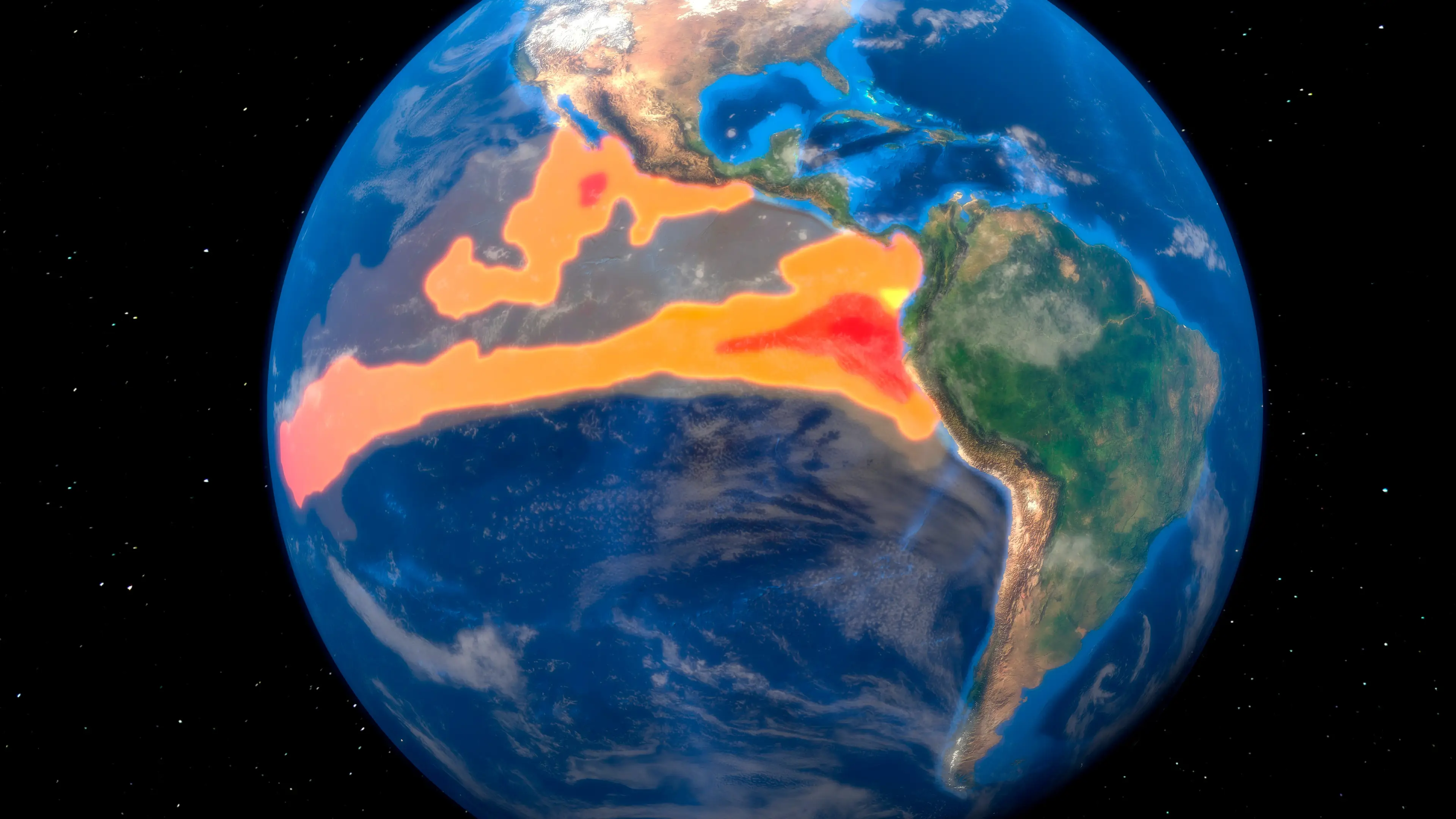
Super El Niño will 'shear apart' hurricanes on the East coast but the West won't be so lucky

A meteorologist has revealed how the El Niño year is set to have a major impact on both the East and West coasts of the US.
For those among us who dropped any form of science or geography as swiftly as they could...El Niño and La Niña are opposite climate patterns which are part of a natural climate cycle called the El Nino-Southern Oscillation (ENSO) in the Pacific Ocean.
The cycle impacts not just one country, but the whole world, changing wind levels across the globe alongside the temperature of oceans, impacting wildfires, ecosystems, and economies too.
"During normal conditions in the Pacific ocean, trade winds blow west along the equator, taking warm water from South America towards Asia. To replace that warm water, cold water rises from the depths — a process called upwelling. El Niño and La Niña are two opposing climate patterns that break these normal conditions," the National Ocean Service explains.
Advert
Episodes of El Niño and La Niña can last for years, but typically last for nine to 12 months and events occur, on average, every two to seven years, but not on a regular schedule.
And an El Niño year is very much upon us - so impactful it's been dubbed a 'Super' El Niño - with President & Meteorologist at Monarch Weather + Climate Intelligence, Crystal Egger, telling UNILAD the impact its set to have on the East and West coasts, "a direct connection between El Niño and Atlantic Hurricane activity".
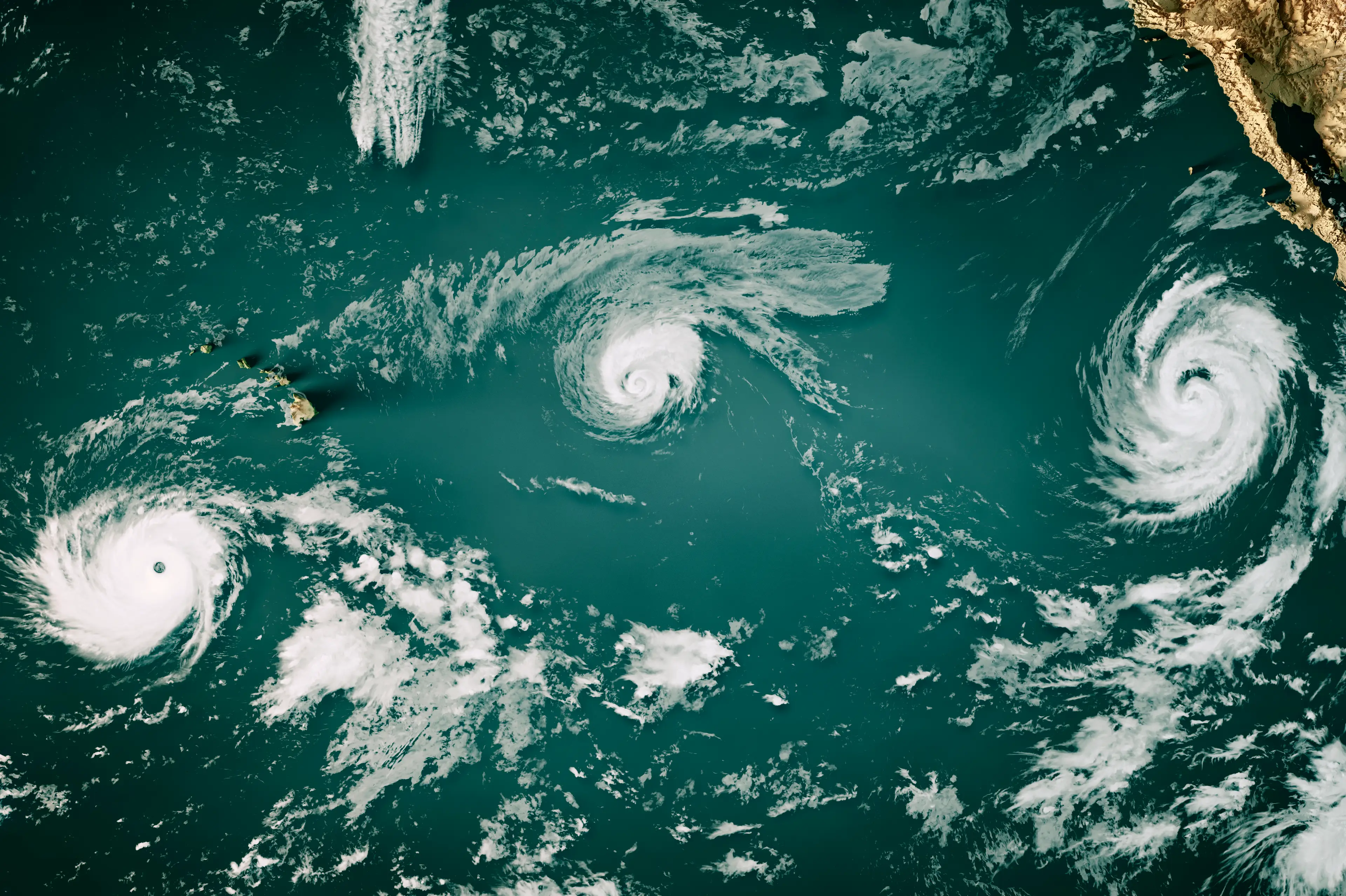
The impact of the Super El Niño on the East and West Pacific
Egger explains: "In fact, El Niño is one of the big reasons the Atlantic has been a snooze fest this year.
"During strong El Niño years, we see changes in the upper-level wind pattern that can produce stronger vertical wind shear and inhibit storm formation in the tropical Atlantic and Caribbean. So even when storms manage to form, the environment can be less favorable for them to develop into hurricanes. They simply get sheared apart!"
Essentially, the El Niño year has reduced the risk of hurricane damage for the East Coast of the US.
And for the West? Well, with the West coast of the US situated in the eastern Pacific, it's set to face 'more tropical activity,' Egger adds.
So if you're situated in the eastern Pacific, prepare yourselves, the 'same large-scale atmospheric changes that increase wind shear over the Atlantic tending to reduce wind shear [...] allowing storms to develop and strengthen'.
However, El Niño 'isn't the only factor that influences hurricane season,' Egger notes.
Egger adds: "Ocean temperatures, Saharan dust, atmospheric moisture, trade winds, the West African monsoon and other large-scale weather patterns all play a role in determining how active a hurricane season becomes."
However, the meteorologist resolved: "But this year, the strengthening El Niño is a particularly important driver for the quieter Atlantic pattern we're seeing."
Topics: Weather, US News, Climate Change, Science, Environment
 Poppy Bilderbeck