State of emergency declared in US over 'super' El Niño with potentially devastating impact

California is bracing itself for an El Niño-driven winter, sparking Gavin Newson to declare a state of emergency.
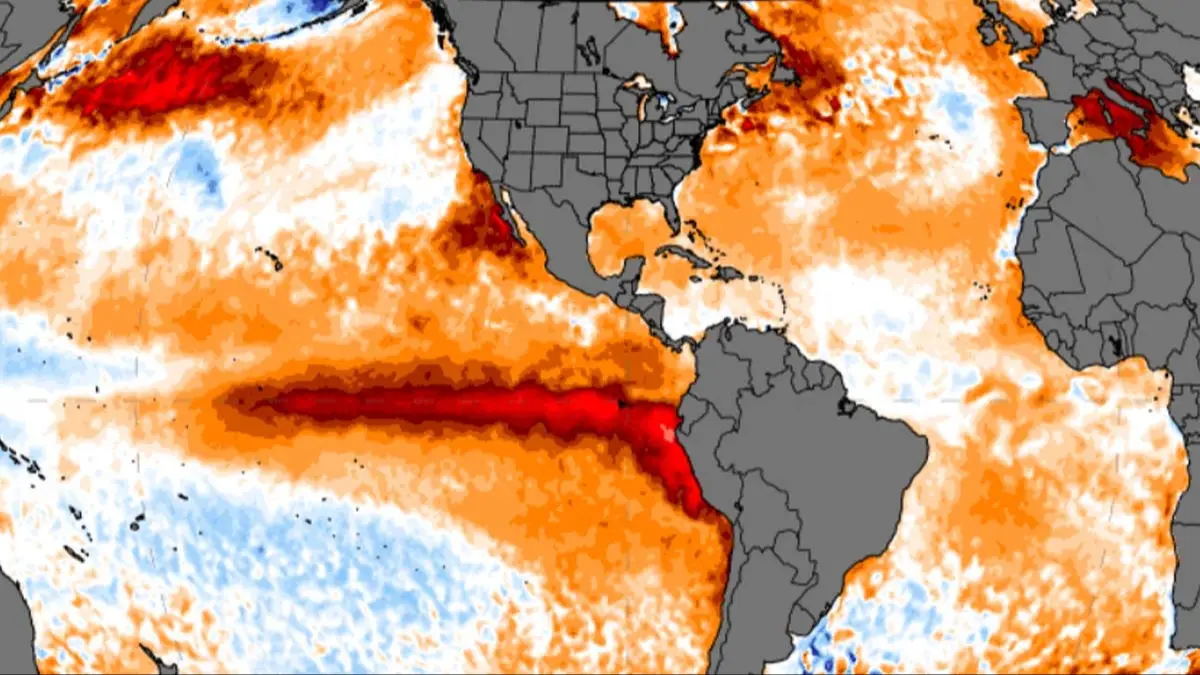
It's said that the emerging El Niño is 'already breaking records', and it's expected to continue doing so over the coming months.
An El Niño is a naturally occurring climate pattern in which sea surface temperatures across the tropical Pacific Ocean rise well above average.
As a precaution, Newsom has declared a state of emergency as a means to 'streamline measures to help California prepare for this historic event'.
Advert
His office issued a lengthly statement today (September 21), part of which read: "As a historic El Niño storm season develops, Governor Newsom is proclaiming a state of emergency today, mobilizing state resources ahead of potential winter storms and other impacts."
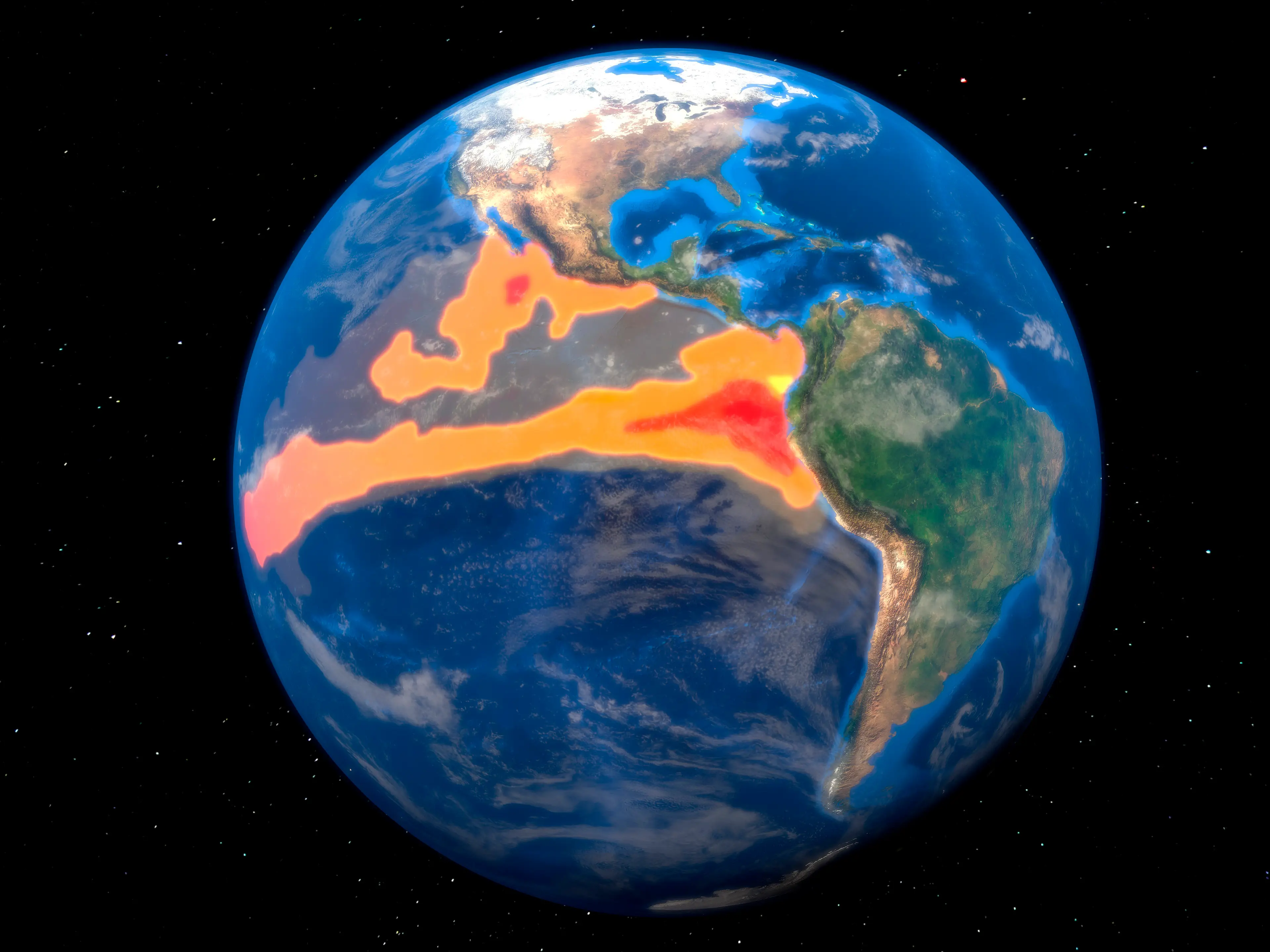
It went on: "The emerging El Niño event is already breaking records, and forecasters expect it to continue to strengthen, potentially becoming the strongest in recorded history. Today’s emergency proclamation streamlines measures to help California prepare for this historic event.
"The Governor’s action puts California in a stronger position before winter weather intensifies. It directs state agencies to begin protecting vulnerable communities, prepare roads and critical infrastructure, stage emergency supplies, and help local partners reduce flood, landslide, and coastal risks."
What Gavin Newsom said

Elsewhere, a quote credited to the governor said: "California is strongest when we look out for one another. That is what this action is about.
"Giving communities the support they need, giving first responders the tools to do their jobs, and giving families the confidence that their state is ready.
"We are preparing for this El Niño early because every Californian deserves to be safe in their home, connected to their community, and protected when severe weather comes."
How El Niño will impact California and other parts of the US
The warning comes after it was reported that the upcoming El Niño could the 'strongest' in living memory.
Risper Nyairo, assistant professor in the department of environmental studies at Davidson College, explained to TIME how it will present itself in the States.
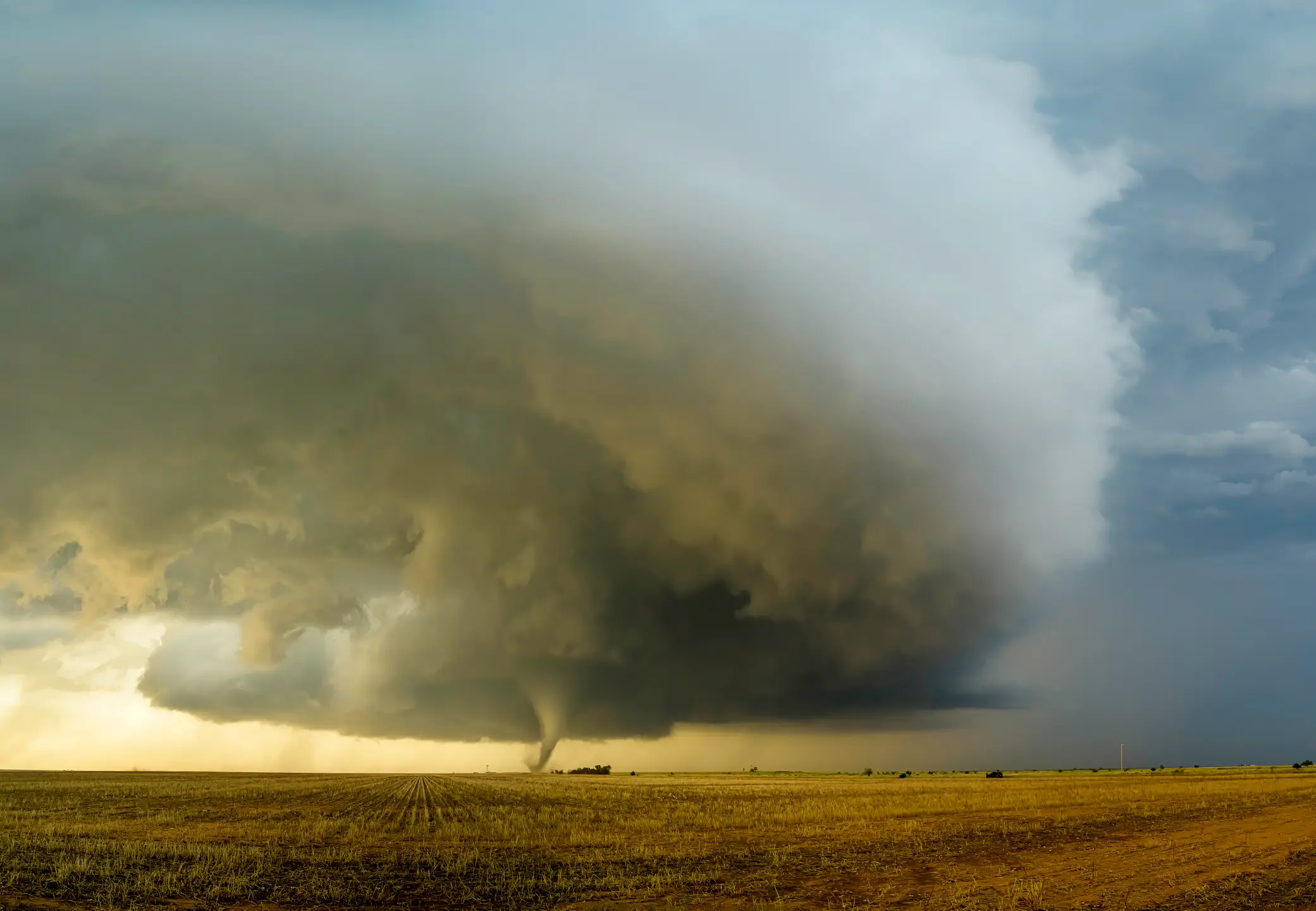
"We will likely see less severe or less frequent hurricanes, but probably more severe tornadoes with severe storms," he shared.
Meanwhile, the West Coast could experience bigger waves and higher sea levels, as well as drier conditions in some areas could also increase the risk of wildfires.
The National Oceanic and Atmospheric Administration's (NOAA) Climate Prediction Center revealed the nine states that are most likely to affected by El Niño – and California is one of them.
The agency said that Maryland, Virginia, North Carolina, South Carolina, Georgia, Florida, Alabama, California, and Arizona should 'expect an above-normal precipitation over the coming months'.
El Niño is expected to peak at the end of 2026 and will likely carry on into next year.
Topics: California, Climate Change, Environment, Weather, US News
 Niamh Shackleton