Full likely cost of an injunction following David Walliams’ failed bid

A lawyer has explained what someone must do to get an injunction preventing the publication of allegations against them.
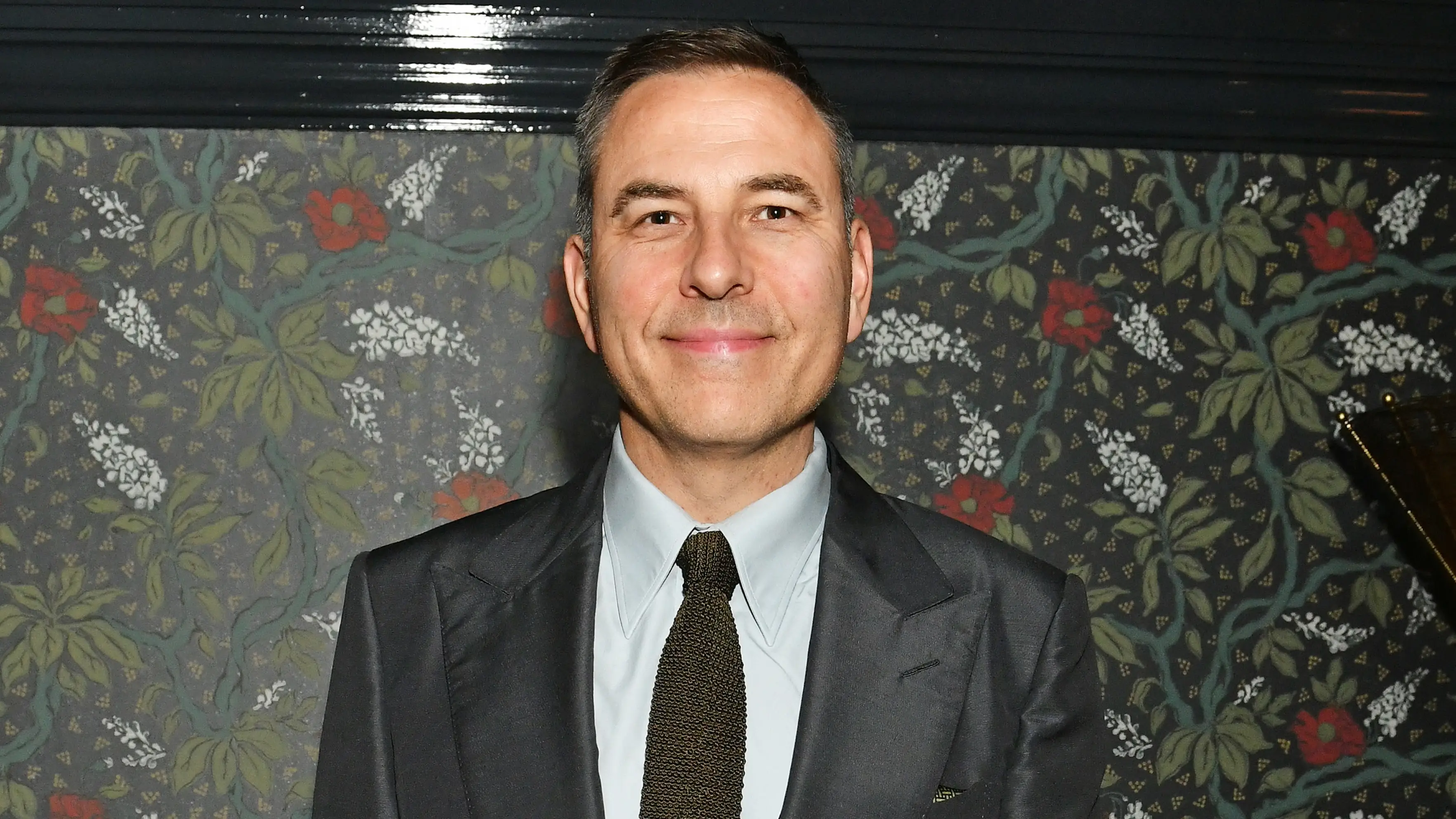
It comes as David Walliams was named as the celebrity accused of engaging in 'inappropriate sexual activities with a large number of girls and young women', after his bid for an injunction failed.
James Howarth, Partner at Howes Percival, a litigator specialising in IP/IT and media disputes, tells UNILAD that an injunction usually starts with 'an interim injunction application', which is 'for the court to order the immediate suppression of the information and hold the ring'.
The case is then litigated to get to a final permanent injunction, unless it can be settled.
Advert
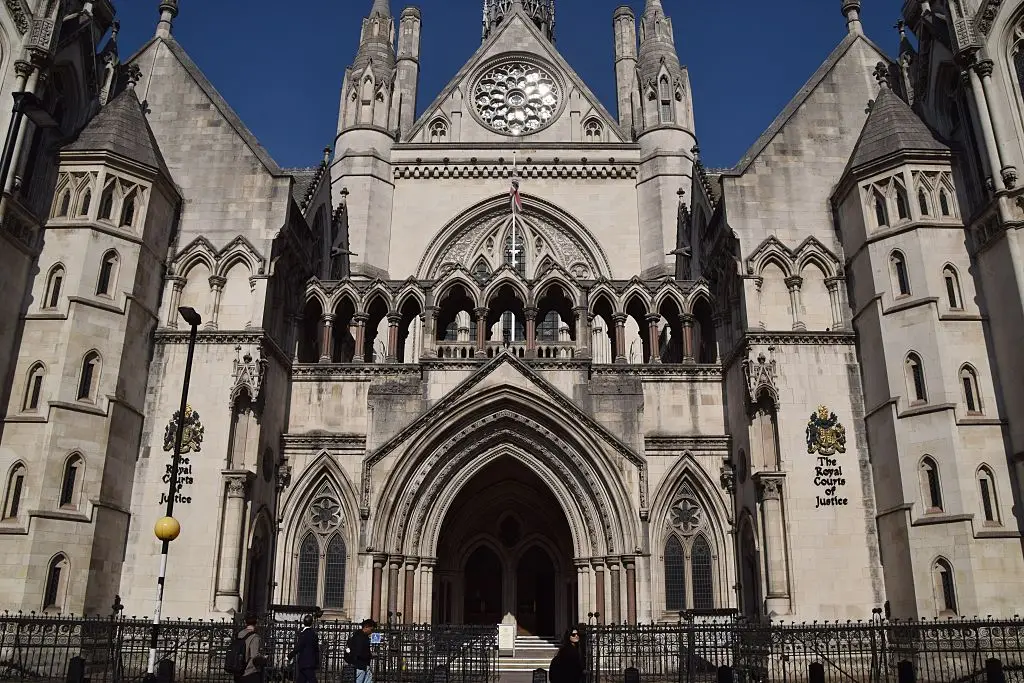
Prior to Tuesday 10 November, Walliams could not be named due to a temporary injunction obtained from the High Court while he sought to prevent the publication of an investigation into sexual misconduct allegations by the Guardian and ITV News.
However, he failed to file an appeal before the required deadline (4.30pm UK time on November 9), which led to his name being published the following day.
Walliams denies all allegations against him and said he is 'not a sexual predator' and has not broken the law.
How much does an injunction cost?
"An interim injunction is going to cost at least in the region of £25,000 to £50,000 ($33,000 to $66,400)," Howarth states.
However, he adds that these can be 'significantly more' depending 'on which solicitors and barristers are instructed'.
"Following a successful interim injunction, the underlying proceedings themselves need to be litigated in order to get to a final injunction. This can be hundreds of thousands of pounds," the expert further explains.
Who can apply for an injunction and what is the criteria to get one?
In the UK
"Anyone whose rights under Article 8 of the European Convention on Human Rights (imported into UK law by the Human Rights Act 1998) are in danger of being infringed," Howarth continues.
This is 'the right to respect for an individual’s private and family life, home, and correspondence'.
However, the expert explains that the court 'will need to be satisfied that the claim would be likely to succeed, weighing up the Article 8 rights against the publisher/broadcaster’s rights under Article 10', which includes freedom of expression, and taking into account the public interest.
In the US
Injunctions are much harder to obtain in the United States, due to the 'doctrine of freedom of speech that usually prevails in that jurisdiction'.

Litigation lawyer Steven Wagner told the BBC: "The First Amendment of the US Constitution protects freedom of speech and courts are very, very reluctant to prohibit somebody from saying something."
Walliams' response in full
In a letter in response to his name being published, the former Britain's Got Talent judge penned: "Looking back, I realise that at times I behaved thoughtlessly towards other people I had casual sexual relationships with.
“And whilst a power imbalance is inevitable when one party is famous, abusing that power is something else entirely and it is something I never did," the 55-year-old added.
“I am not a sexual predator. I have not broken the law, but I am devastated that some of the women I met 10 to 20 years ago have now expressed hurt or anger towards me.”
Topics: UK News
 Kiesha Dosanjh