Amazon customers could be eligible for a share of $309.5 million settlement – here's how to claim

A class action lawsuit has accused amazon of mishandling customer returns, including failures to issue refunds, providing incorrect ones and also charging shoppers a second time after items were returned.
Amazon has denied any wrongdoing, and the court has made no finding of wrongdoing, but the company have agreed to pay out a $309.5 million settlement that affected customers can claim a share of.
Customers may qualify if they bought a physical product through Amazon.com, received it in the United States, and started a return or requested a refund between Sept. 5th, 2017, and Feb. 12th, 2026.
That window covers more than eight years.
Advert
They must also have experienced at least one problem: not receiving a refund for a returned item, getting an incorrect or delayed refund, or being refunded and then charged again for the returned item.
Amazon began issuing refunds in 2025 after identifying transactions where payments had not been completed or it could not verify that the correct items had been returned.
According to court documents, it has now issued approximately $570 million in refunds, with more payments expected under the agreement.
The settlement divides eligible customers into two groups, each with different requirements
Customers in subclass A, whose qualifying transactions have already been identified through Amazon's records, will automatically receive payments and do not need to submit a claim.
Those in Subclass B must submit a valid claim before Dec. 1, 2026, to receive compensation.
Customers can check their eligibility and file a claim through the official settlement website.
When will Amazon settlement payments be sent out?
Customers should not expect money straight away. Payments are not guaranteed yet.
A final approval hearing is scheduled for March 16, 2027, and compensation will only be distributed once the court approves the agreement and it becomes final.
There is no fixed payout. The amount each customer receives will depend on their individual refund issues and the settlement’s distribution process.
The December 1st deadline also applies to customers who want to exclude themselves from the settlement or submit an objection.
Anyone considering either option will need to act by that date, the same cutoff that applies to Subclass B claims.
Amazon has maintained that it did not violate consumer protection laws.
In September 2025, Amazon agreed to pay $2.5 billion to settle Federal Trade Commission allegations that it tricked millions of shoppers into Prime subscriptions and made them hard to cancel.
That deal included $1.5 billion in customer refunds and a $1 billion civil penalty, with payouts reaching up to $200 per person. Amazon again denied any wrongdoing.
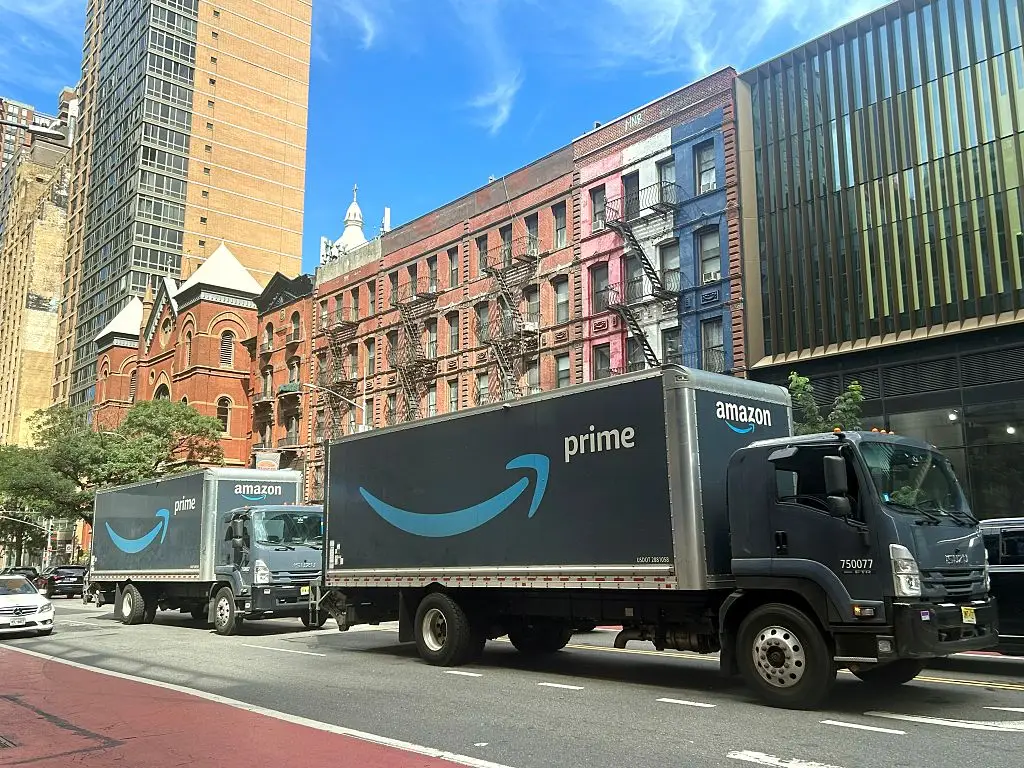
More recently, in November 2026, Amazon agreed to pay $3 million to Arizona Prime members over state-level claims that its six-step cancellation process created unnecessary hurdles.
As in the returns case, Amazon denied any wrongdoing in both agreements, maintaining that it followed the law while agreeing to simplify its checkout and cancellation designs.
UNILAD has contacted Amazon for comment.
 Thomas Bamford