
Warning issued as cases of measles surge across the US

More than 5,000 cases have been reported across the US so far this year, following three deaths from the disease in 2025.
Cases of the infectious disease have reached new heights this year, after an infant death was tied to measles on Thursday (November 5) in Wisconsin.
The Centers for Disease Control and Prevention (CDC) has now issued a warning following reports of another death in New York and six further measles-related deaths in Pennsylvania.
And while measles case counts reached a historic high last year, 11 months into 2026, this year’s total is higher still.
Advert
Declining childhood vaccination rates have left more communities increasingly vulnerable to the potentially deadly disease.
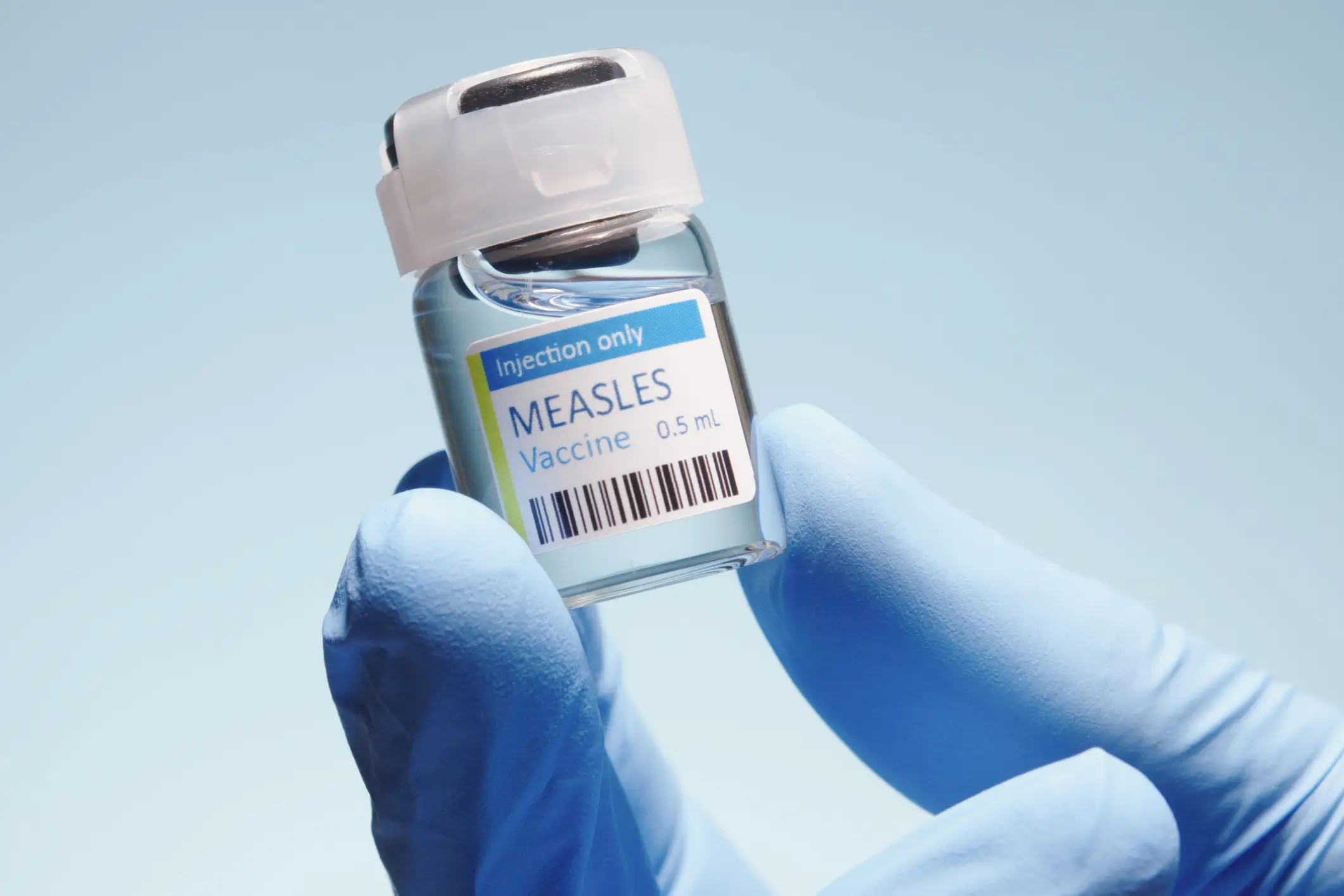
Babies in the US don’t typically receive their first MMR shots until they turn one years old, but during outbreaks, infants at risk of infection can get the vaccine as early as six months of age.
The Pennsylvania and Philadelphia health departments, as well as the Children’s Hospital of Philadelphia, reported that they are 'working closely to ensure potentially exposed infants receive a preventative antibody product to prevent or lessen severe disease and to take steps to prevent the further spread of measles'.
According to health officials in the US, the MMR vaccine, first rolled out in 1971, can provide 97 percent lifetime protection.
America was granted its measles-free status in 2000, but experts now warn that the title may be revoked following the recent outbreak.
Speaking with the Scientific American, Elizabeth Jacobs, a professor emeritus at the University of Arizona, said: "It’s astounding to me.
"I’m just beside myself about all of this. I literally cannot believe this is happening in the United States."
Revoking America's elimination status would hold no formal consequences.
Symptoms of Measles
The CDC states that symptoms of the disease usually begin 7 to 14 days after infection, and can lead to serious complications if not treated promptly.
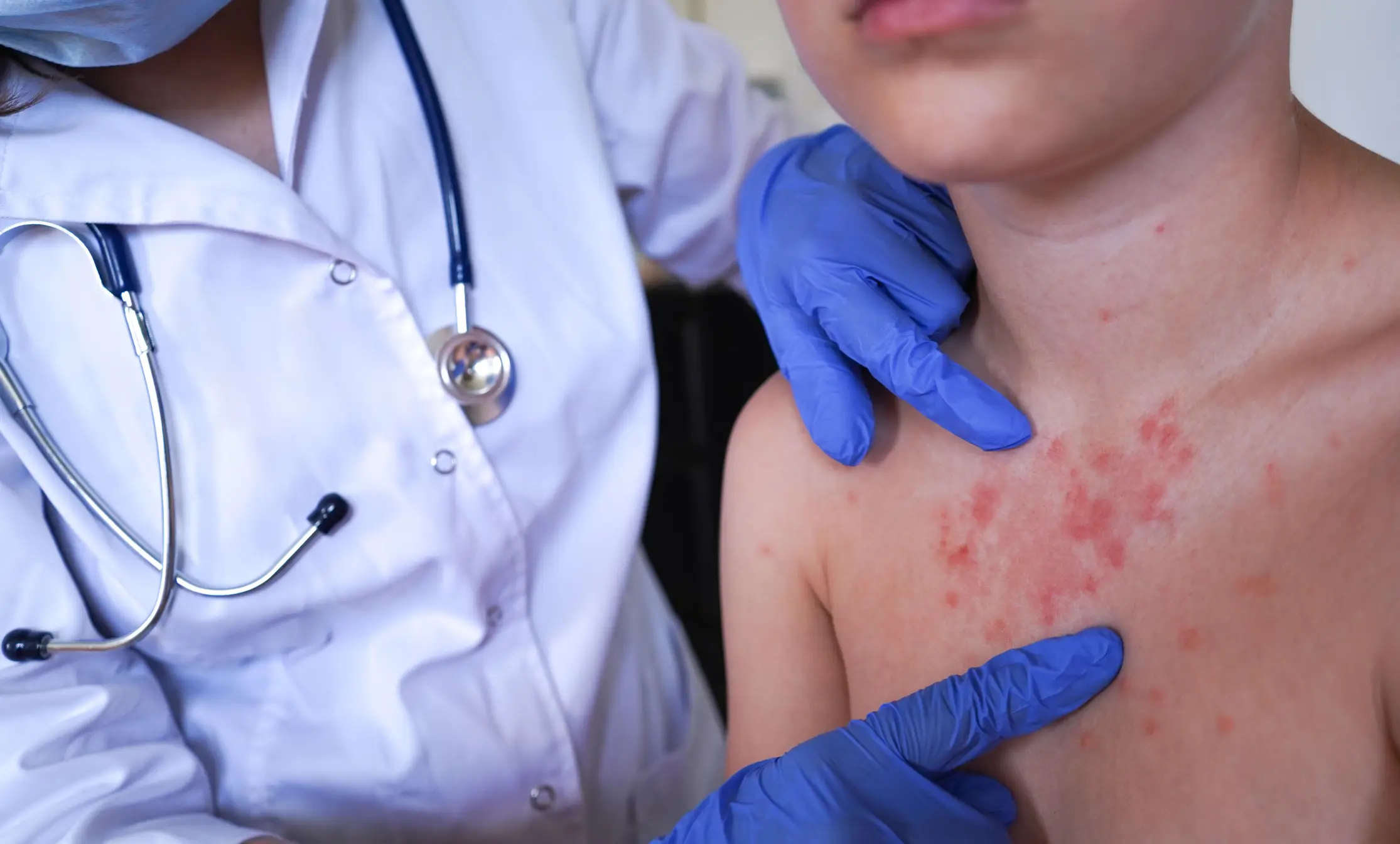
Measles typically begins with cold-like symptoms, including a high fever (which can exceed 104°F), a cough, a runny nose and red, watery eyes.
They further state that two to three days after symptoms first appear, tiny white spots known as Koplik spots may develop inside the mouth.
Usually between three and five days on, a red rash may begin to appear around the hairline before spreading downwards across the face, neck, body, arms and legs. The fever can also spike to more than 104°F when the rash develops.
 Mia Williams