Everything you should know ahead of America's alert system test next week

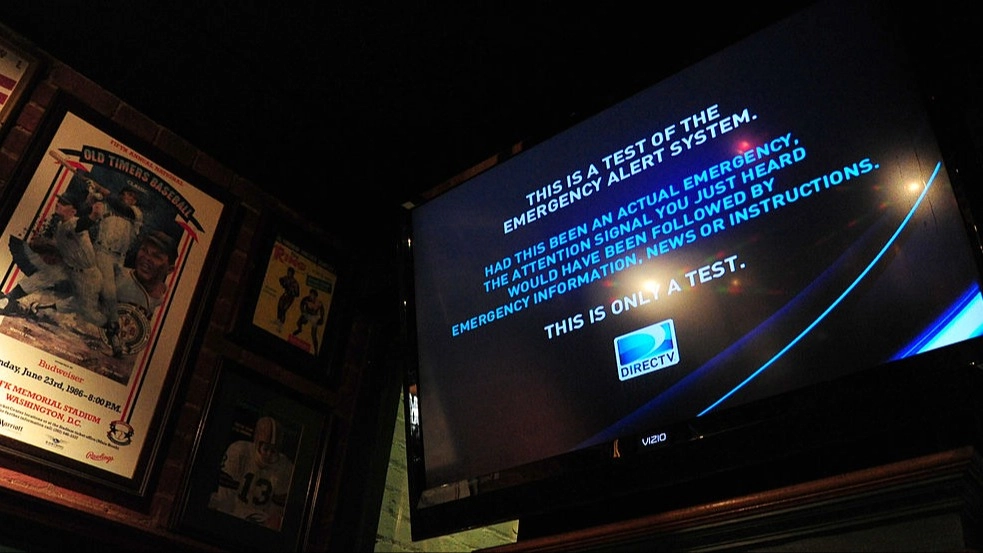
Radio and television broadcasts across the USA may be briefly interrupted on Tuesday 17th November as FEMA tests its Emergency Broadcast System.
FEMA, working alongside the Federal Communications Commission (FCC) will run a nationwide test of the Emergency Alert System (EAS) at approximately 2.30 p.m.
The test message will state: "This is a nationwide test of the Emergency Alert System, issued by the Federal Emergency Management Agency, covering the United States from 2:20 to 2:50 hours ET. This is only a test. No action is required by the public."
Advert
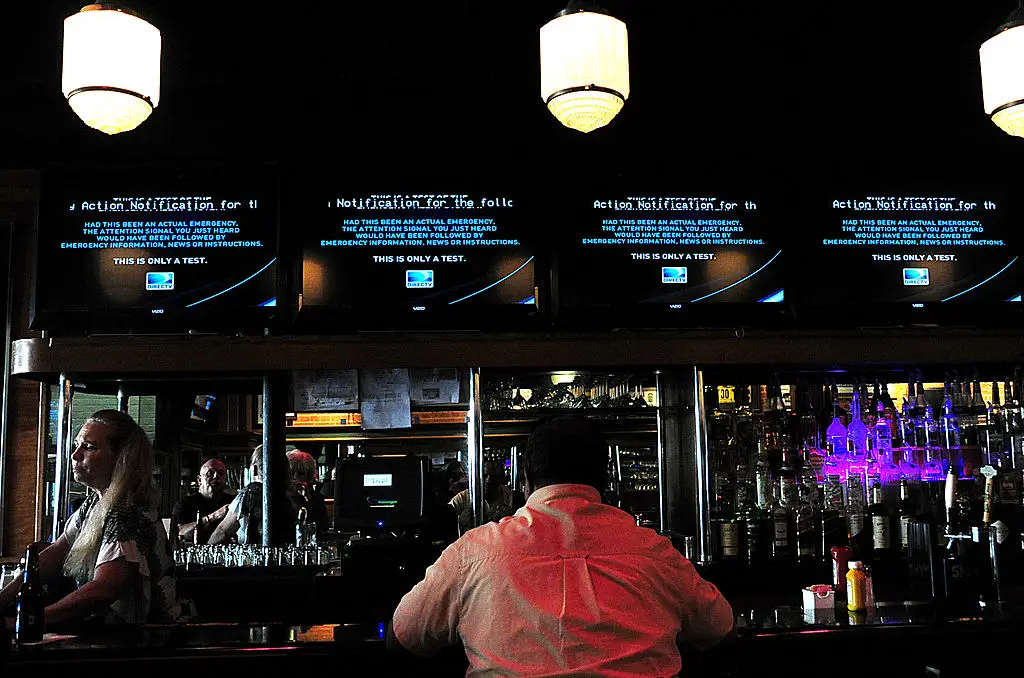
FEMA describes the test as routine, saying it helps ensure the system works effectively during emergencies. Radio and television broadcasters, cable systems, satellite providers and wireline video providers across the country will interrupt their scheduled programming to run the message before normal programming resumes.
They are legally required to carry out the tests every three years to make sure everything is working as it should.
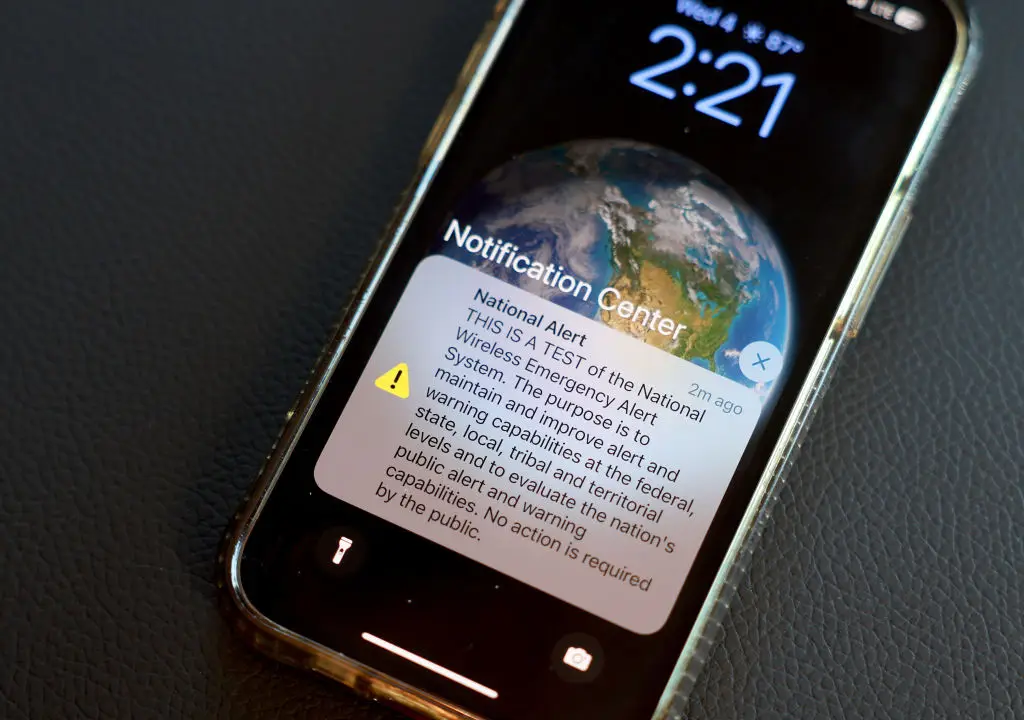
The Emergency Alert System will not beep on your phone this year, FEMA have confirmed.
Wireless Emergency Alerts, which are sent to cellphones, were tested in 2023 but will not be part of this year’s test. Instead, FEMA is assessing the EAS, which is made up of thousands of radio, television, cable, satellite and wireline broadband providers.
Because those providers use different equipment, the visual display on television may vary from station to station.
Some broadcasters may deliver the message in English, Spanish or both, depending on their typical audience and station capabilities.
The test will also include alert tones to support people who are deaf or hard of hearing.
FEMA also says the EAS does not collect personal data from the public.
What happens if there is an emergency on the day of the Emergency Alert System test?
Officials have allowed for the possibility of a delay.
If an actual emergency or significant weather event occurs on test day, FEMA and the FCC may postpone the test. The backup date is Thursday, Dec. 3.
Under the IPAWS Modernization Act of 2015, FEMA is required to conduct nationwide tests of public alert and warning capabilities at least once every three years. The agency says the tests help it identify technical or operational issues before the system is needed in a real emergency.

In a real emergency, a national alert would be issued under the direction of the President or a designated representative, with FEMA responsible for authenticating and initiating it. State and local officials also use the EAS to send critical information, such as weather-related and AMBER alerts, to affected communities, according to the FCC.
FEMA also scheduled a statewide test in Alaska for Oct. 7th, ahead of the nationwide one. Officials selected the state because its geographic separation reduces the chance of the message reaching neighboring states, and because it has a mix of urban, remote and wilderness areas. The test was designed to identify technical or procedural issues, with FEMA noting it would allow it to assess signal reception across varied terrain in one state.
Topics: Technology, News
 Thomas Bamford