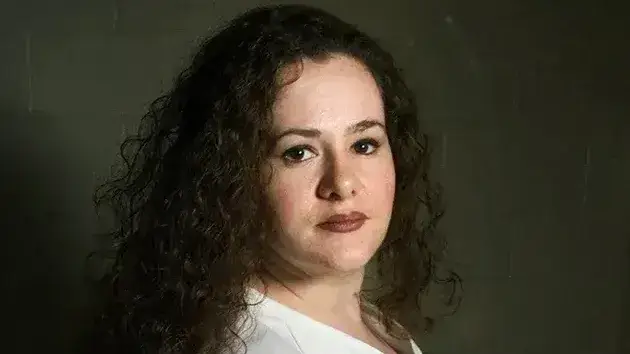
Estimated cost of Christa Pike's failed execution as lawyers confirm she's awake and speaking

Christa Pike's case was estimated to have cost Tennessee taxpayers more than $3 million even before her execution went wrong, according to Stacy Rector, executive director of Tennesseans for Alternatives to the Death Penalty (TADP).
Pike, 50, survived two lethal doses of pentobarbital after three decades behind bars on death row for the brutal murder of 19-year-old Colleen Slemmer.
Her legal team said on Tuesday that she is 'conscious and speaking' but remains under critical medical care.
Her lawyers claim botched IV lines caused the drugs to leak into tissue, leaving both arms 'swollen, burned and blistered'.
Advert
Rector told the U.S. Sun: "I would guess her case has exceeded $3million, before this botched execution attempt," adding "I can't even begin to guess what her hospital bill will be once this is all over - a hundred thousand plus? All is being paid by TN taxpayers."
The state now faces the cost of Pike's hospital treatment, an investigation into the failed execution and potentially further legal proceedings.
Six days of intensive care and ventilation alone could carry charges of around $26,000, based on published Nashville hospital rates, before other treatment is factored in.
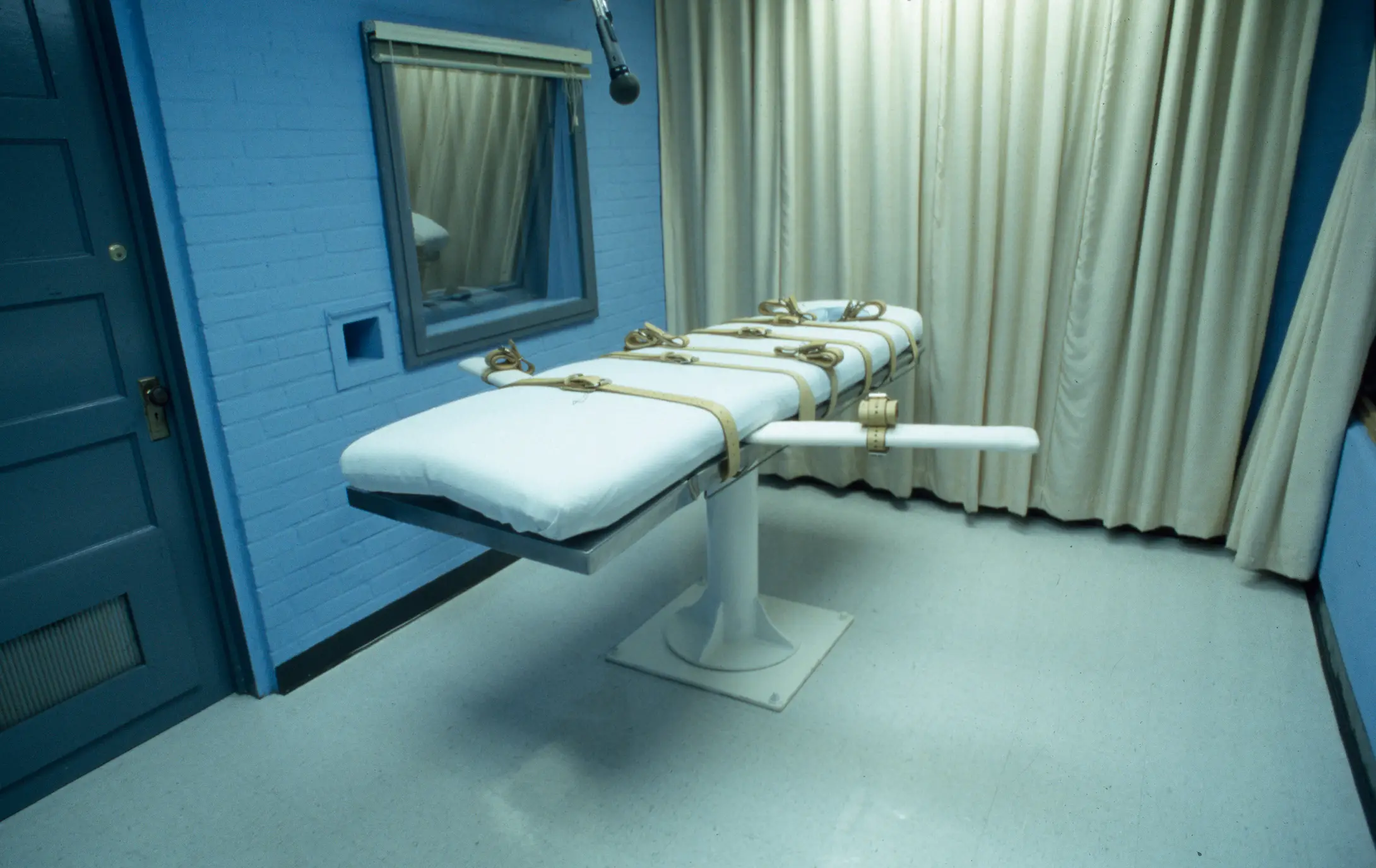
How much more does a death penalty case cost than life in prison?
Rector based her estimate on a Maryland study of 1,136 death-eligible murder cases from 1978 to 1999, covering the period in which Pike was convicted.
Cases where prosecutors did not seek death cost around $1.1 million over their lifetime, rising to around $1.8 million when death was sought but no death sentence was imposed.
Those ending in a death sentence cost around $3 million, almost $2 million more than cases where death was not sought. That $3 million included the trial, penalty phase, state and federal appeals and prison costs.
A 2021 Ohio Legislative Service commission review of studies from several states found death penalty cases cost between 2.5 and five times as much as non-capital cases, while a 2025 Indiana analysis put the average death penalty trial at $290,022, compared with $36,173 for one seeking life without parole, around eight times as much as the trial stage alone.
Tennessee's own research found death penalty trials cost an average of 48% more than cases where prosecutors seek life imprisonment.
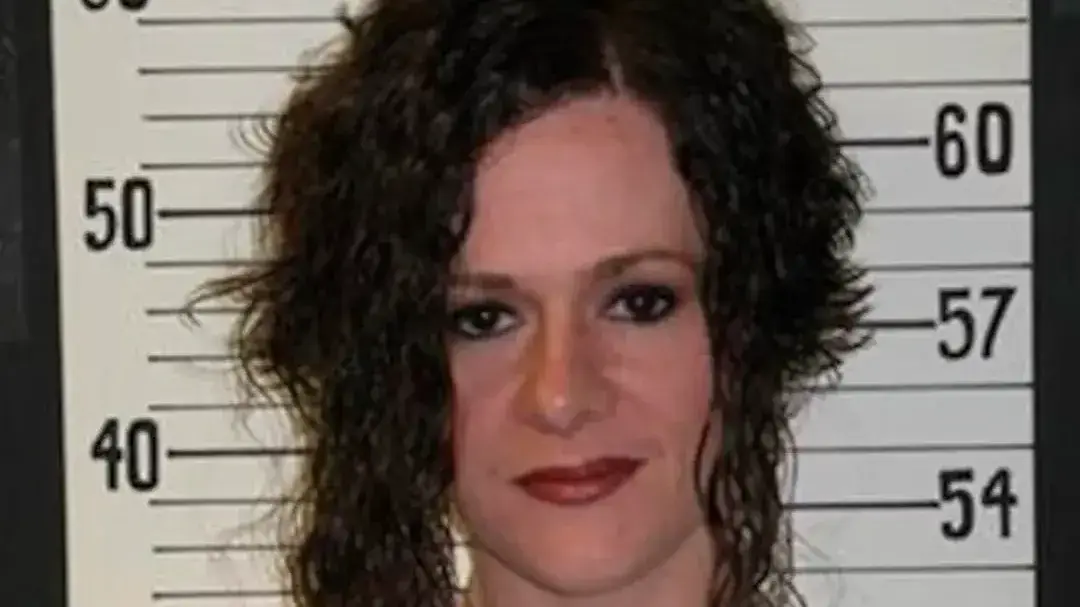
What else could Tennessee spend death penalty money on?
Rector said: "I think the cost is a colossal waste of tax dollars spent pursuing death for a handful of people who are already incarcerated."
She questioned the spending when Tennessee 'solves only about half its homicides'. She added, "Our state has no centralized mechanism to track these costs so taxpayers are in the dark."
Rector believes the money could instead be used on victims, unsolved murders and crime prevention.
"We are paying for a system that does not achieve anything for us. It does not make us safer," she said.
She also said, "And it sometimes gets it wrong: over 200 people sentenced to death in the US since 1973 have later been exonerated and released from death row. We don't know the number of innocent people we have executed."
UNILAD has contacted the Tennessee Department of Correction for comment.
 Thomas Bamford