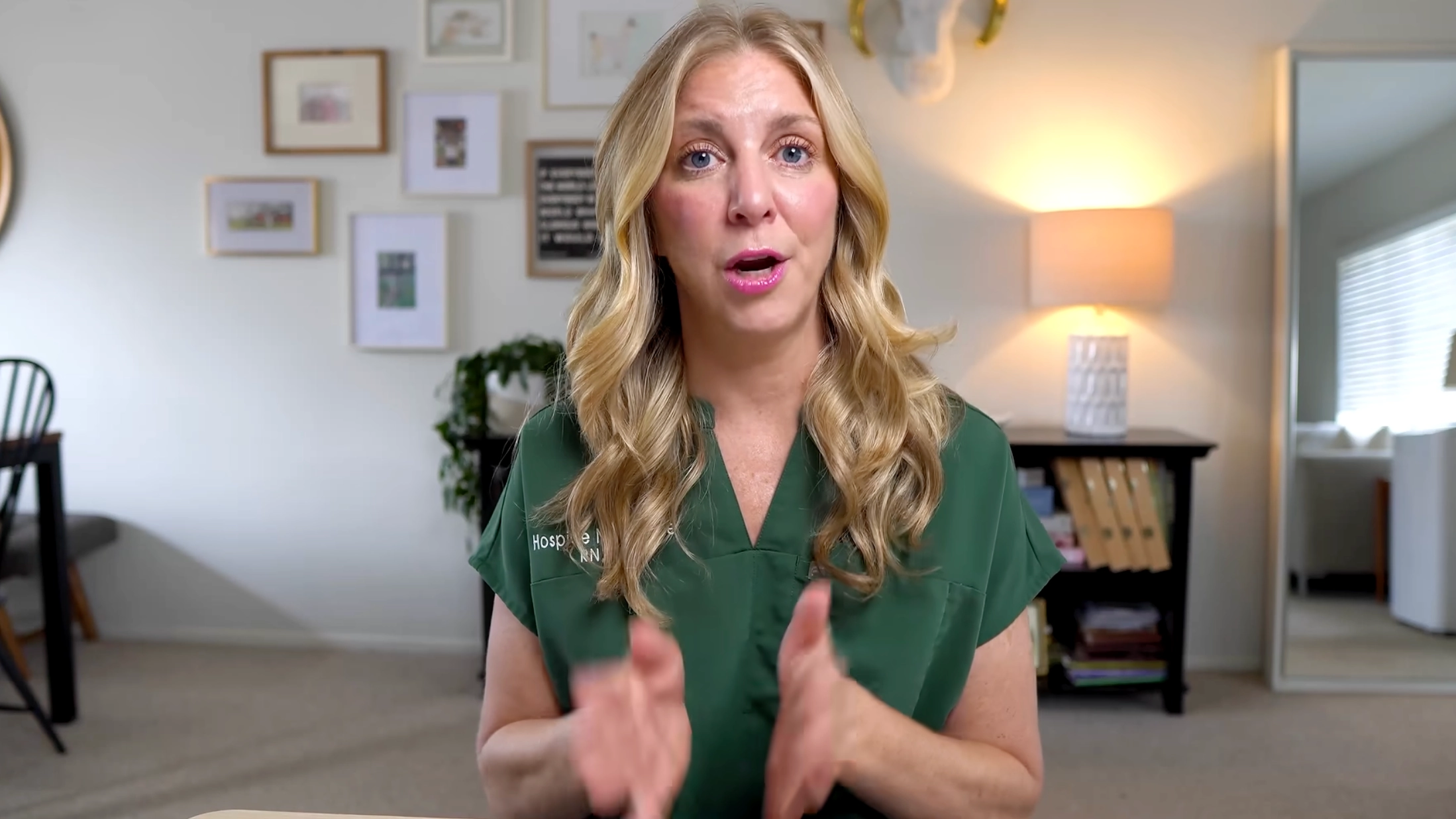
Hospice nurse who’s seen 100s of people die reveals terrifying end of life phenomenon that’s 'completely natural'

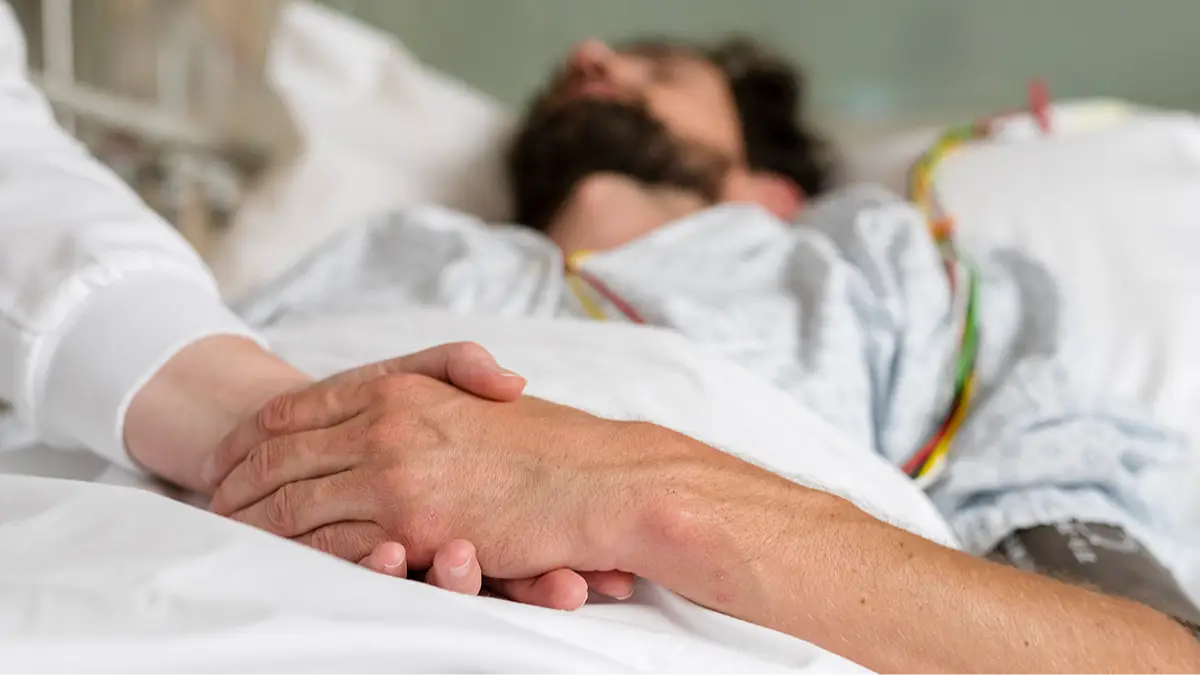
A hospice nurse who has seen hundreds of people die, has revealed one sign that shows up a few weeks before someone dies that can leave loved ones panicked.
Hospice nurse Julie McFadden has been an end-of-life nurse for years, and often posts videos to YouTube and TikTok regarding things that happen to the body prior to death.
In one of her YouTube videos, Julie explained that a dying relative may start 'seeing' deceased loved ones before passing away.
However, now she is back with another phenomenon that she calls a 'natural' occurrence in the death process and warns that it's not something to be scared about.
Advert
It's the death rattle.
"That is that gurgling noise that can happen at the end of life," said Julie in her November 9 upload.
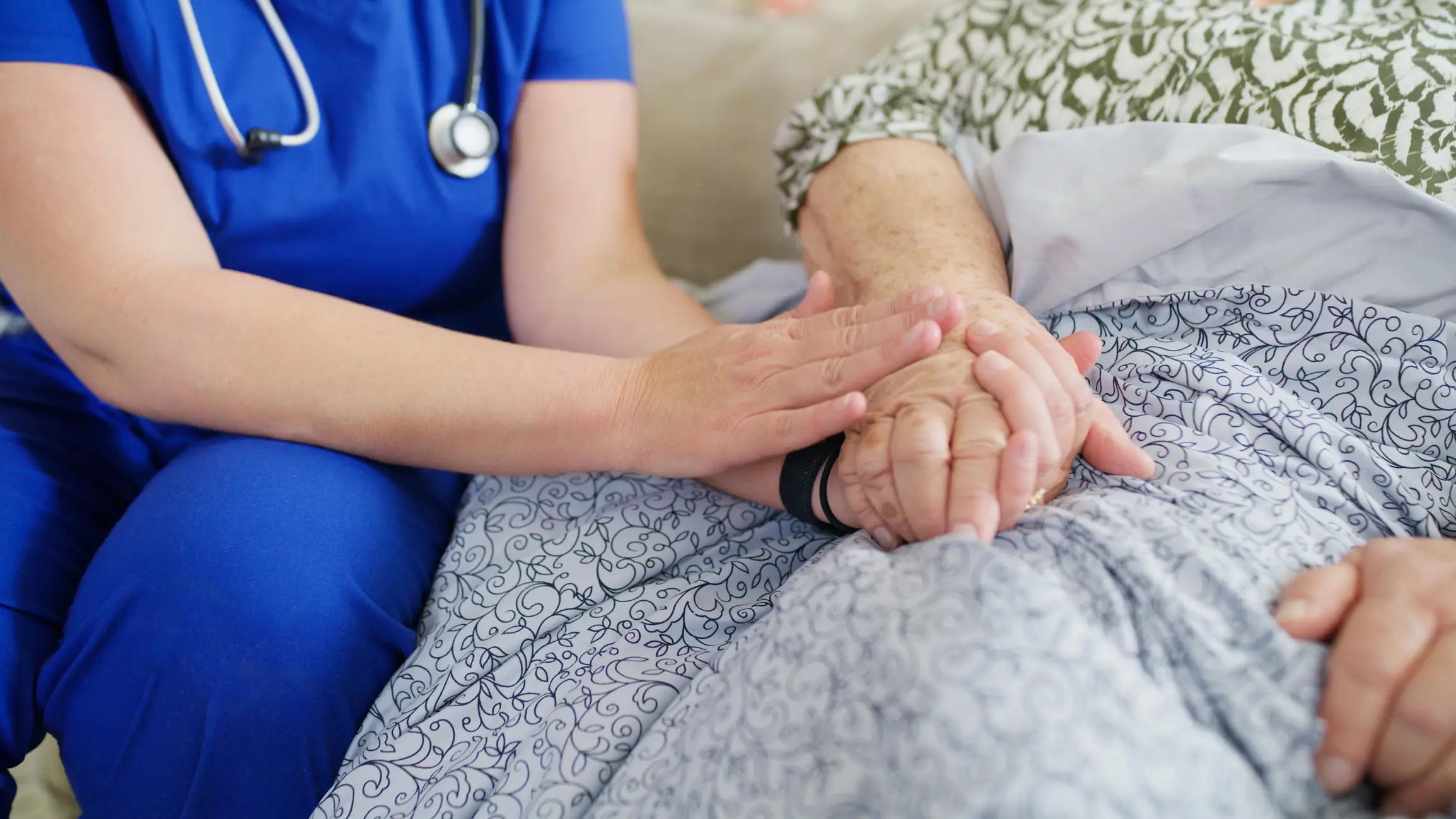
She explained it 'can really freak people out and cause them to think there is an emergency, aka calling 911, having paramedics [music] come, things like that.'
However, she said it's totally natural and simply means a person is dying.
Julie said: "The death rattle is actually called terminal secretions, and again, it's expected and usually does happen at the end of life."
She added: "Your loved one is not drowning on their fluids or choking on anything. It is a little bit of saliva that's collecting in the back of the throat because the body is no longer swallowing the saliva being made.
"And then because their mouth is usually open, there's like a wet breath going over it with every breath causing that gurgling noise."
The nurse revealed that for those who 'don't know what it is' or if it comes unexpectedly, 'it can feel really scary' as a bystander.
She also said that if you hear it, to contact your hospice straight away and in general, 'when in doubt, call your hospice company' for help.
While she called this one a 'scary' sign of death, there are also more things that happen before and after the death rattle.
Julie revealed in her video that 'changes in breathing' and even having a 'functional decline' where the patient cannot look after themselves suddenly, are all natural things to expect.
She also explained that eating and drinking may stop.
Julie said: "Sometimes no food and water will be taken in for a whole day. This can happen dramatically. This can happen gradually. It all depends. But it's very, very normal."
She then warned: "I can't stress [music] this enough. Never force your loved one to eat or drink. It's expected. There's nothing you have to do about it. Just take it a day at a time. Some days will be better than others."
As for other signs, the nurse shared they can include things like falling, or cognitively declining, such as losing memories, and language.
She said: "It can be really scary and shocking when it starts happening. But again, it's always to be expected. "
Ultimately, Julie suggests contacting the hospice for advice if these signs begin, but that they are all expected.
 Britt Jones