Homeowners urged to complete simple 10-minute task to protect themselves before El Niño brings severe weather

By now we are all aware of the super El Niño set to batter parts of the US - and if you're like me, it feels like we can't get away from hearing about it!
Well, that is probably for good reason because you don't want to be caught flat-footed when it does blitz us - fortunately, homeowners have time to take a quick and free 10-minute task to help save your wallet should disaster strike.
San Francisco Department of Emergency Management communications manager Jackie Thornhill explained how people are paying attention right now as the weather approaches.
“You have a moment people are thinking about high risk,” she told the San Francisco Chronicle. “We see it as an opportunity to get people prepared.”
Advert
Natural disasters strike without warning, but because we're all so aware of this super El Niño that we've actually got a heads-up - so doing this one step creates an undeniable record of your belongings if you ever need to file an insurance claim.
All you need to do is grab your smartphone and take a walk-through of your house, filming everything and narrating as you go. You then save the video to the cloud or a USB drive.
Steve Severaid, president of Greenspan Co./Adjusters International, suggests opening every closet, cabinet and drawer during your walk-through.
“I don’t think you have to go through the exercise of physically writing down your inventory,” Severaid said. “If you capture it on video and narrate it, that’s a good place to start.”
Think about your hallway closet. Over the years, you probably collect dozens of jackets, winter coats, umbrellas and pairs of boots. You need to know exactly what was in there to claim those items accurately.
“People tend to undervalue their stuff,” he said. While single items might not be worth much, it adds up fast.
Film every room - the kitchen, bedrooms, garage, basement and bathrooms need to be documented, and don't put it off thinking you have to describe every object - you don't, all you need to do is just prove they were there.
When recording everything, it's important to remember to zoom in on serial numbers for electronics and keep receipts where possible.
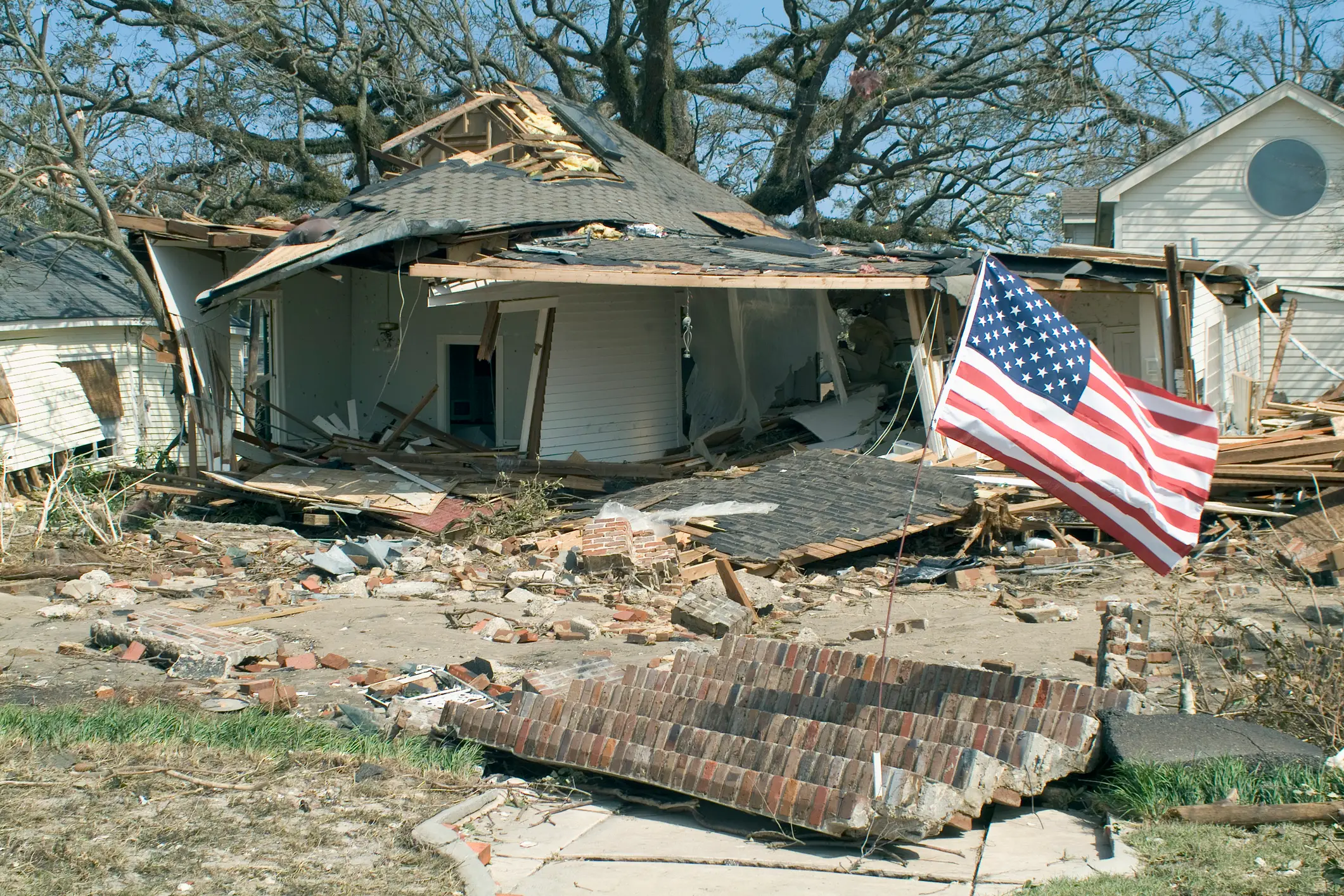
Film the exterior of your building to prove what it looked like before the storm hit, and getting multiple angles of your roof is recommended.

Brian Schneider, president of Schneider and Associates Claims Services, said: “If a storm comes and blows shingles off the roof, you want to be able to demonstrate it was the storm that caused the damage."
Check what your policy covers because after water damage, many find they lack the right insurance - water blowing through a broken window is usually covered. However, water seeping up from the ground is not.
Schneider also advised that you should check your sublimits - the amount your insurer will pay for a specific service.
“I’ve seen four trees on someone’s roof and it’s going to cost them $20,000 to get them off and there’s a $500 sublimit,” he added.
“You can’t even go inside the house because it’s not safe. We can’t go in the house to write the estimate until they come up with 20 grand.”
 Joe Yates