Map shows where El Niño could hit the hardest as scientists warn of pandemic-scale deaths

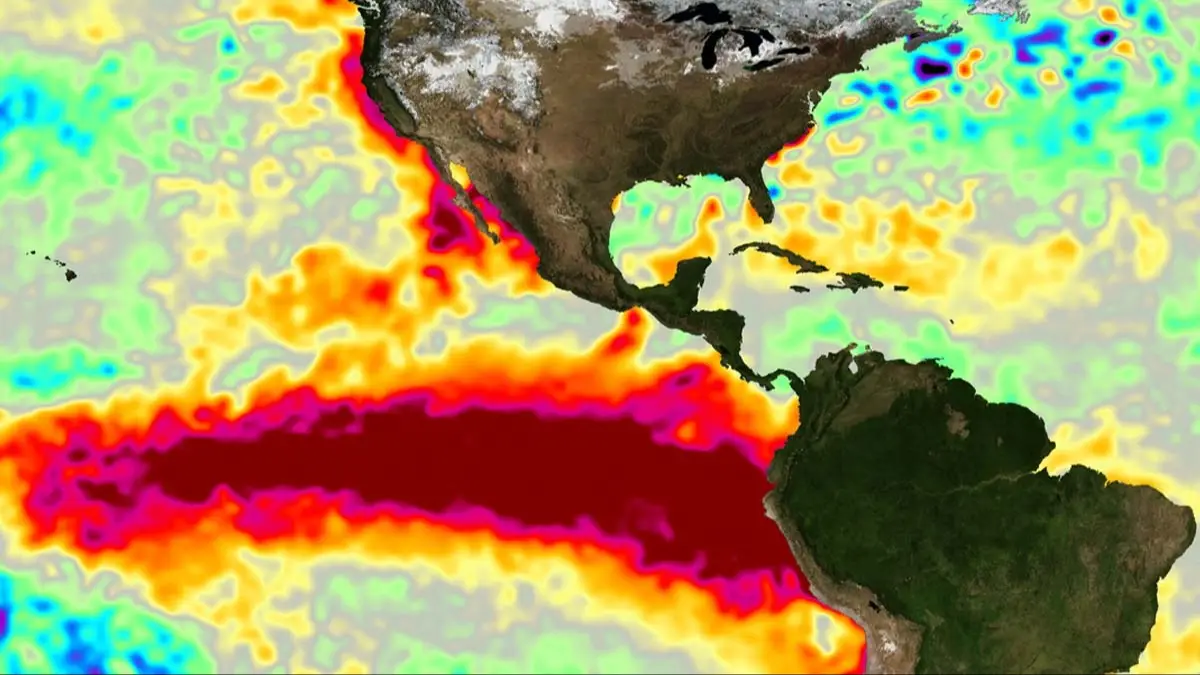
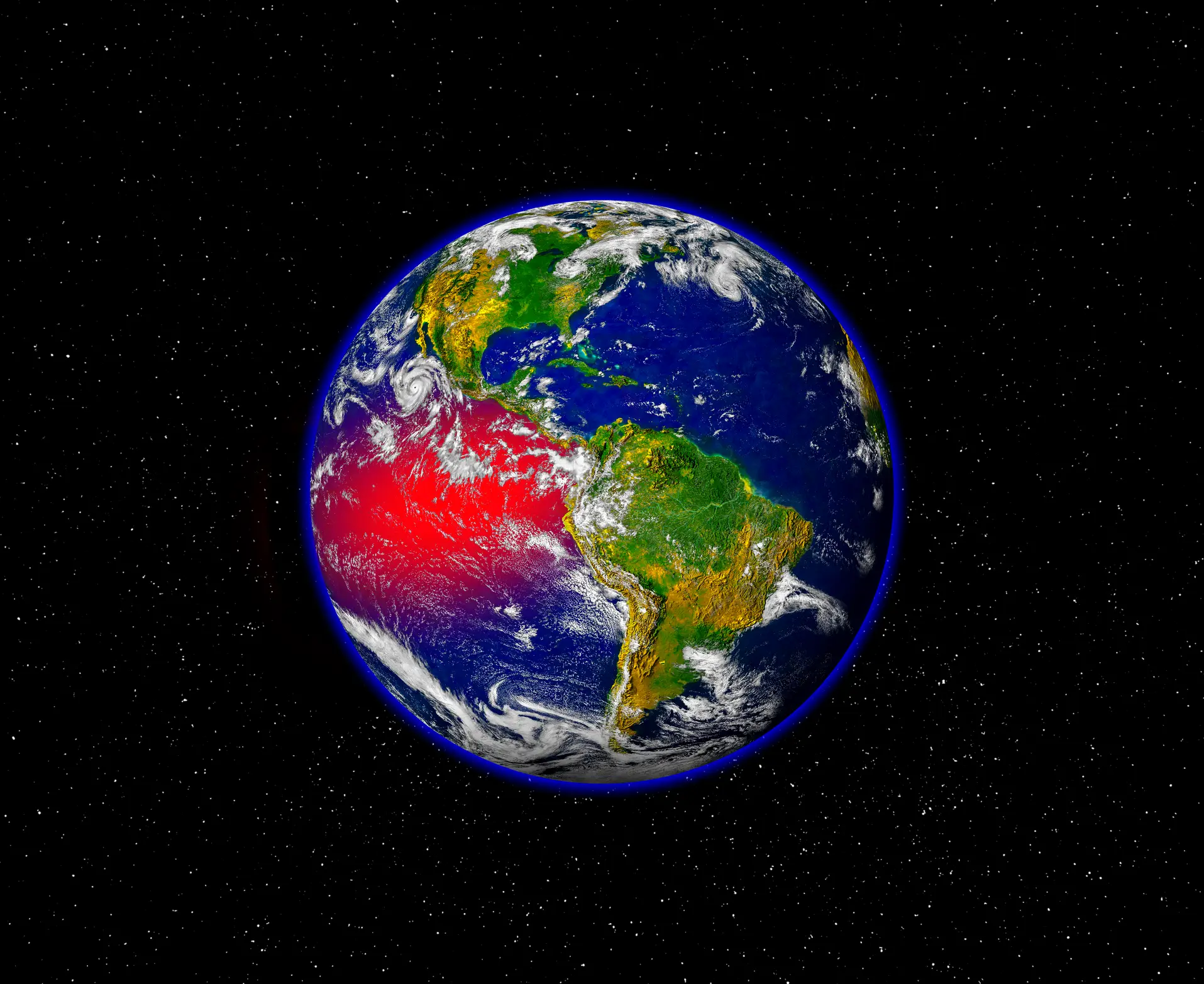
A map has shown how El Niño could affect different parts of the world as scientists urge the World Health Organization to declare a global health emergency.
Those living in Northwest US and parts of Southwest South America should prepare for wet conditions as a recent World Meteorological Organization update outlined increased rainfall, pointing to images of flooding in Chile and the Parana basin. Increased rainfall is also expected in North America and the northern portion of the Caribbean.
However, the opposite is forecast for Central America, the southern Caribbean and the Amazon, where there is increased risk of drought.
Southern Africa could also experience drier conditions as of November. Typically, the rainy season runs from November to April, with the heaviest downpours usually occurring between December and March.
Advert
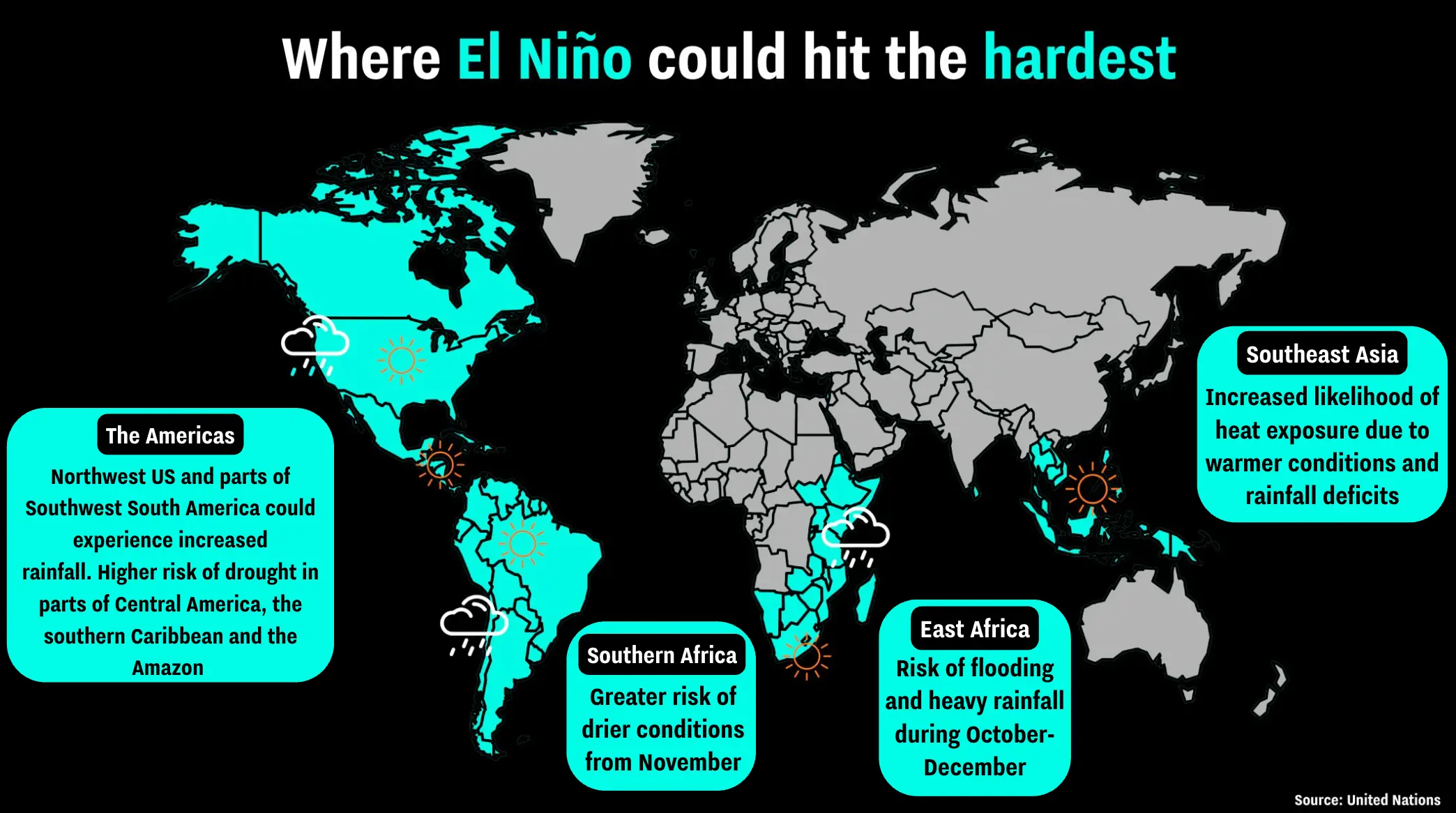
Lastly, experts have warned that Southeast Asia is at risk of heat exposure due to rainfall deficits and heat exposure, which could increase wildfire risks.
'An early analysis suggests that nearly half a million deaths will result from extreme heat alone'
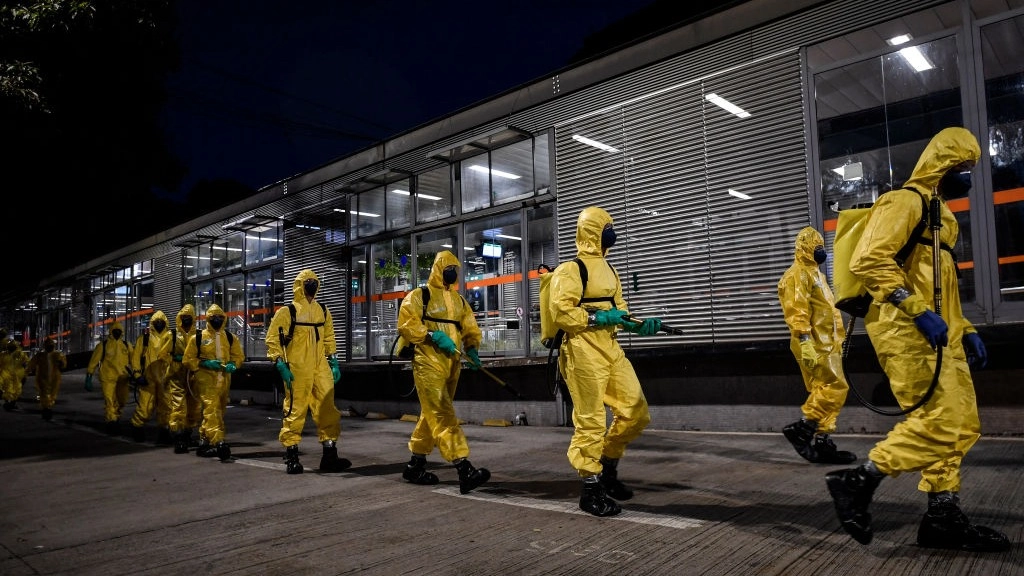
Extreme heat is something scientists have raised concerns about, with Dr. Colin Carlson, an assistant professor of epidemiology at Yale University, having warned that the extreme weather pattern could result in 'pandemic-scale mortality' across the globe.
"An early analysis suggests that nearly half a million deaths will result from extreme heat alone, to say nothing of epidemics of dengue fever, cholera, and other infectious diseases that could also occur in tandem," he wrote in Think Global Health.
Research by the University of Chicago's Climate Impact Lab suggests that El Niño could cause as many as 451,000 excess deaths between June 2026 and February 2027.
“This is such a large number that it can be numbing, but it is made up of parents and children, grandparents and neighbors, people going to work, caring for families, and living their lives,” report author Michael Greenstone told CNN.
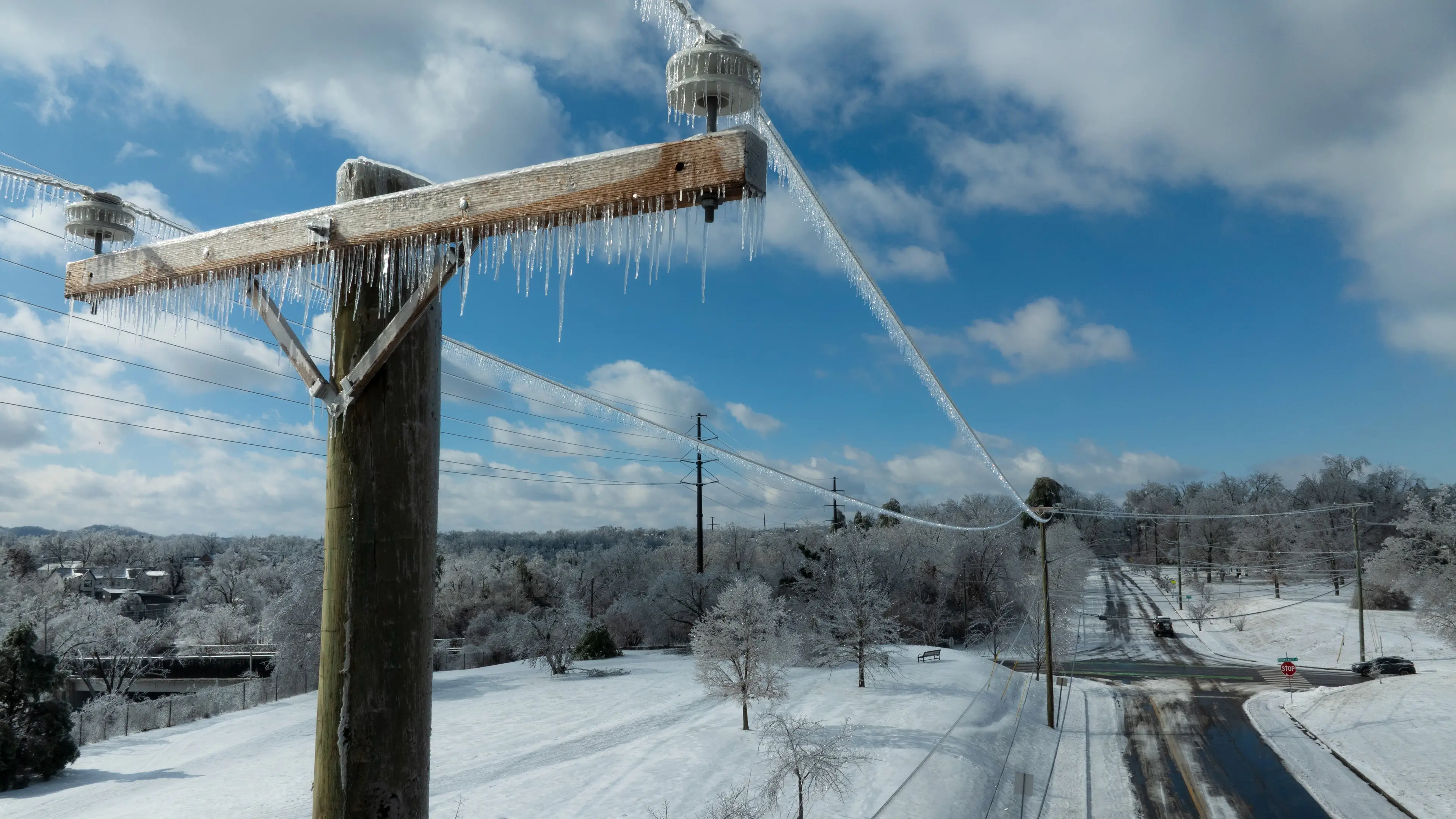
However, there is also potential for heavy snowfall across the US as soon as December.
Sarah Findlay, travel insurance expert at Total Travel Protection, told UNILAD that there are a number of tourist spots in Europe that are expected to feel the effects, including parts of Morocco, Portugal, and Egypt.
However, she stated that it was 'difficult to say which tourist destinations will be affected, as 'with most extreme weather events it’s hard to predict the exact locations that will be affected and by how much.'
 Kiesha Dosanjh