Map shows nations urging people to stockpile food as ex-FBI boss tells Americans to take warning seriously

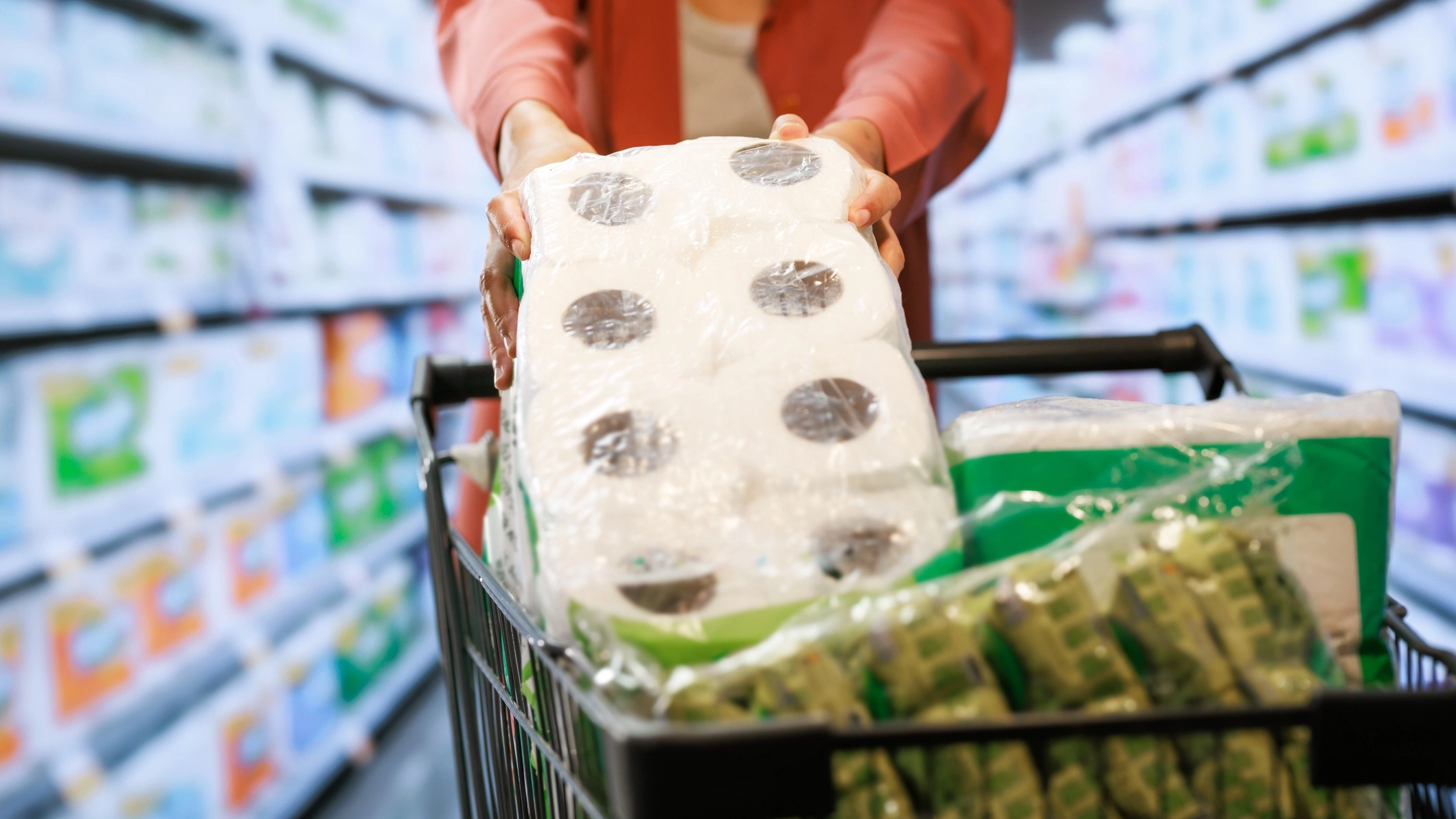
As the US urges its citizens to stockpile food, many countries have stricter, more wide-ranging guidelines for what items people need to buy to prepare for a crisis.
In recent days, former FBI boss Dan Bongino issued a stark warning about taking the stockpiling advice seriously.
"Get your stuff today. Please. Do it for your family," he said on his podcast, adding: "The best day of your life, you don't need them. And in 10 years, you're like, 'Ah, I wasted $1,000 or whatever.'
"The worst day in your life is your kids looking you in the face like, 'Hey dad, mom, where's the water?' And, 'Well, we don't have any.'"
Advert
Bongino went on to insist that your neighbors 'are not going to have any extra food'.
As well as food and water, an item in particular people have been told to get their hands on is a radio that picks up the NOAA weather bands easily and effectively.
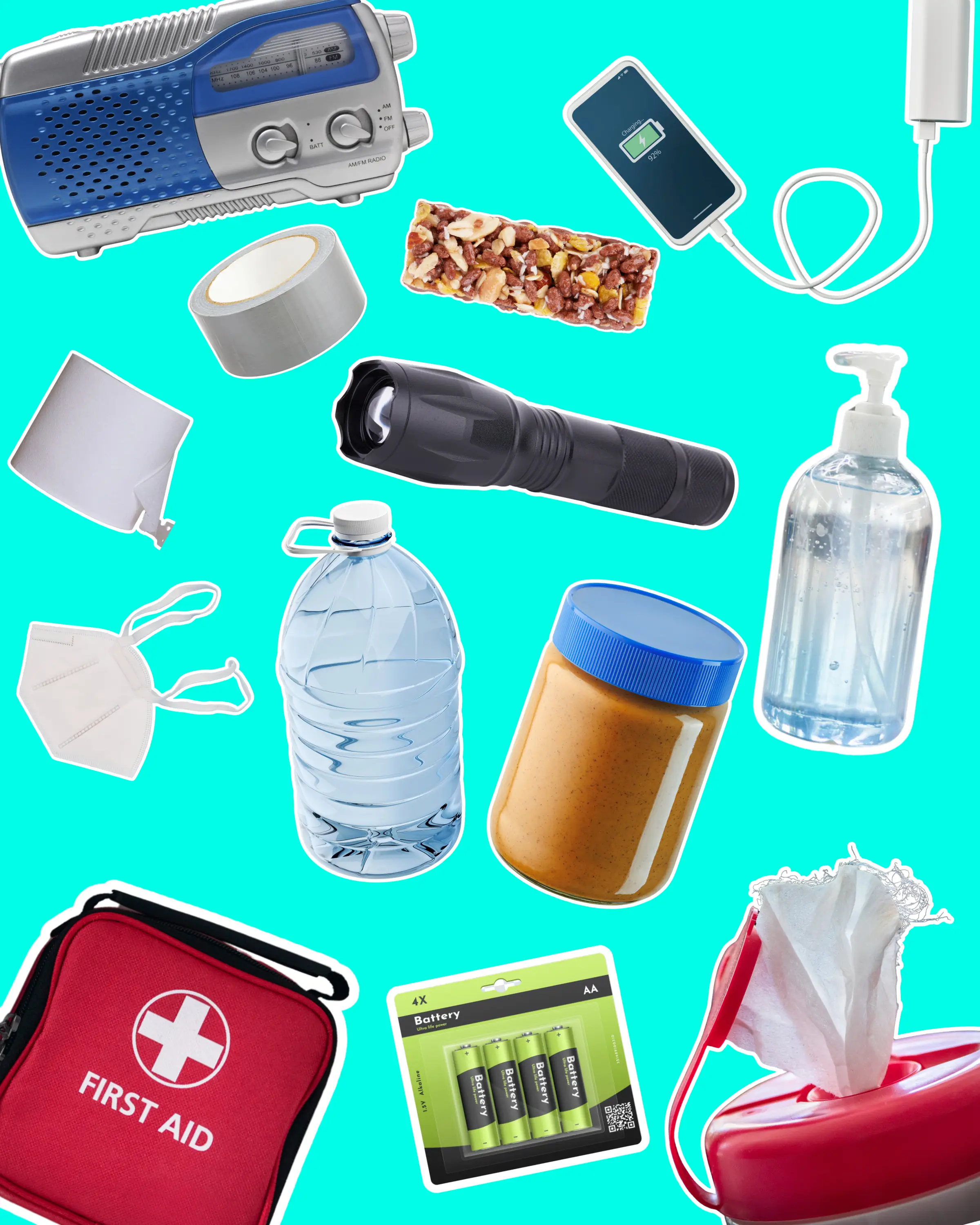
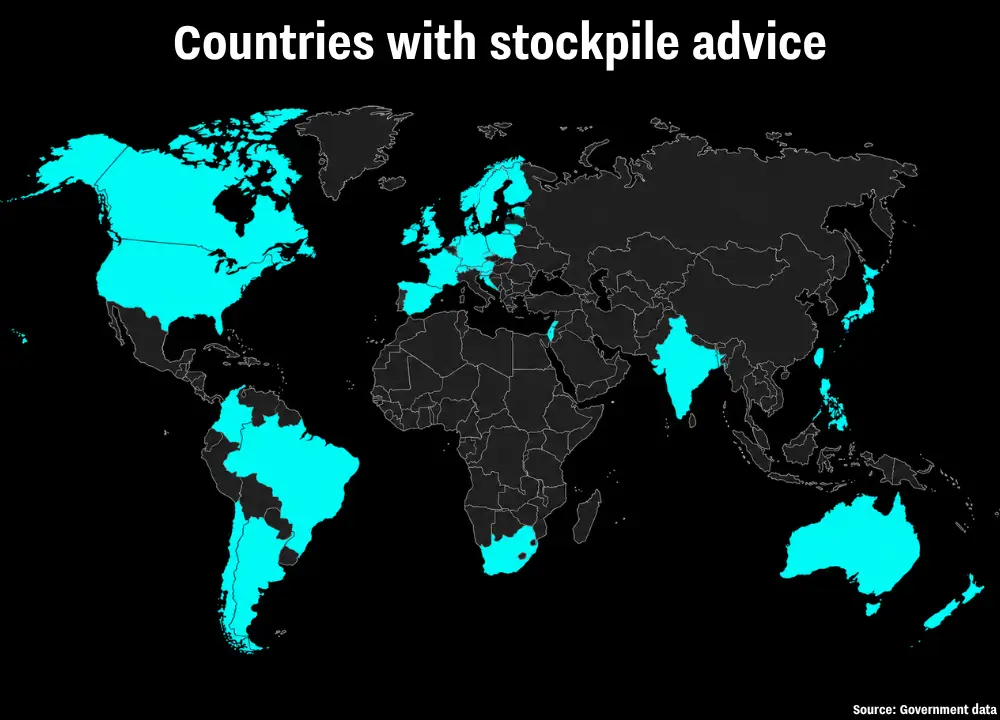
In addition to North America (the US, Canada, and Mexico), there are other parts of the world that are being told to start prepping.
Europe
UK
Brits are advised to have three days of bottled water and food in their homes in case of an emergency, along with FM radios, sleeping bags and charged power banks.
Ireland
The Irish government advises citizens to have 2-3 litres of drinking water per person per day, matches or a lighter, wind-up or solar radios and power banks.
France
French citizens have been told to prepare 72-hour emergency bags containing cash, essential documents, phone chargers, first aid kits, basic tools and games.
Germany
The advice is to have enough food and water for a whopping 10 days. It advises 14 litres of liquid per person, food that can be eaten cold and doesn't need to be in the fridge, camping stoves and pet food if necessary.
Netherlands
The government says you need to prepare an emergency kit containing a flashlight and batteries, candles and matches, a battery-powered or clockwork radio, tools, a whistle and bathroom products. It also advises you have enough food and drink for a 72-hour period, and three litres of water per person per day.
Denmark
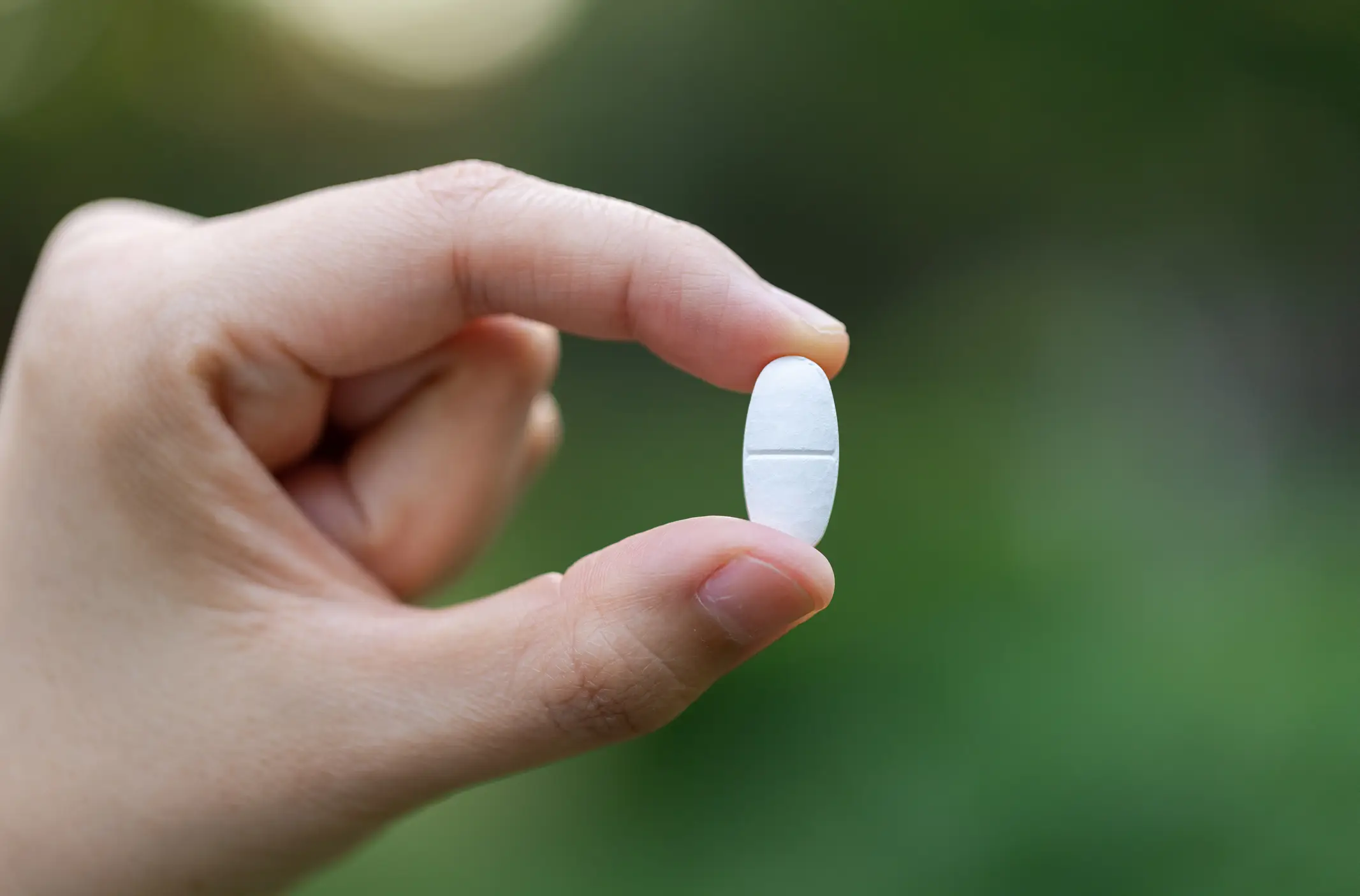
Citizens are advised to have enough food and water for three days, specifically food that doesn't require cooking such as canned food or crispbread. Under 40s are advised to stockpile iodine tablets, along with a torch, power bank, candles, matches and batteries.
Norway
The government says citizens must have enough food and water for seven days, including 20 litres of water per person. Under 40s are again advised to have iodine tablets to hand, as well as pregnant women.
Recommended foods include crispbread, oats, crackers, chocolate, energy bars, beans and canned fish. The government also wants citizens to buy an alternative heat source such as a wood stove, paraffin or a gas heater.
Sweden
The government advises buying storage containers and buckets with lids for collecting water, warm clothing, candles, matches, extra batteries and a camping stove.
On a grim note, it also advises fitting a plastic bag in your toilet bowl to dispose of poop if the pipes stop working.
Finland
It advises one to two buckets of water per day per person for all water needs, and stocking up on sealable containers, iodine tablets and duct tape.
Estonia
The government says people should stockpile pickles, instant soups, nuts, dried fruit and cookies. They should also invest in a solar-powered torch and a hurricane lamp.
Latvia
Stock up on enough food and water for three days and prepare a go-bag of emergency essentials.
Lithuania
Stockpile six litres of water per person to last them three days, along with food, medicine and hygiene supplies.
Poland
Prepare a packed backpack of emergency supplies to grab immediately in case of evacuation, key documents in both paper and electronic forms, and three days of supplies.
Czech Republic
The government advises 72 hours worth of supplies, including a multi-purpose knife, fire extinguisher, fire blanket and autonomous smoke and gas detectors.
Austria
The government wants citizens to have enough for 10 to 14 days. It emphasises maintaining a balanced diet, and says two jars of salad vegetables or 15 tins of tinned vegetables should be enough for one person for two weeks.
Switzerland
The government says everyone should have in their home at all times nine litres of water per person, food for about one week and 50 face masks per person.
Croatia
Food for at least two days and 1.5 to two litres of water per person per day.
Several Asian countries are also asking their citizens to stockpile essentials, including Japan, Taiwan, Israel, India, the Philippines and Singapore.
In Japan specifically, the government has told residents to have 72 hours-worth of food and water.
Disaster Management Minister Goshi Hosono recently said (as per Seoul Economic Daily): "I would like to say at least three days' worth, and a week's worth if possible."
He added: "Please prepare enough food, toilet supplies and water at home so that you can manage even without public support from the government."
New Zealand and Australia have been told to stockpile as well, in addition to South Africa, Chile, Colombia, Argentina and Brazil.
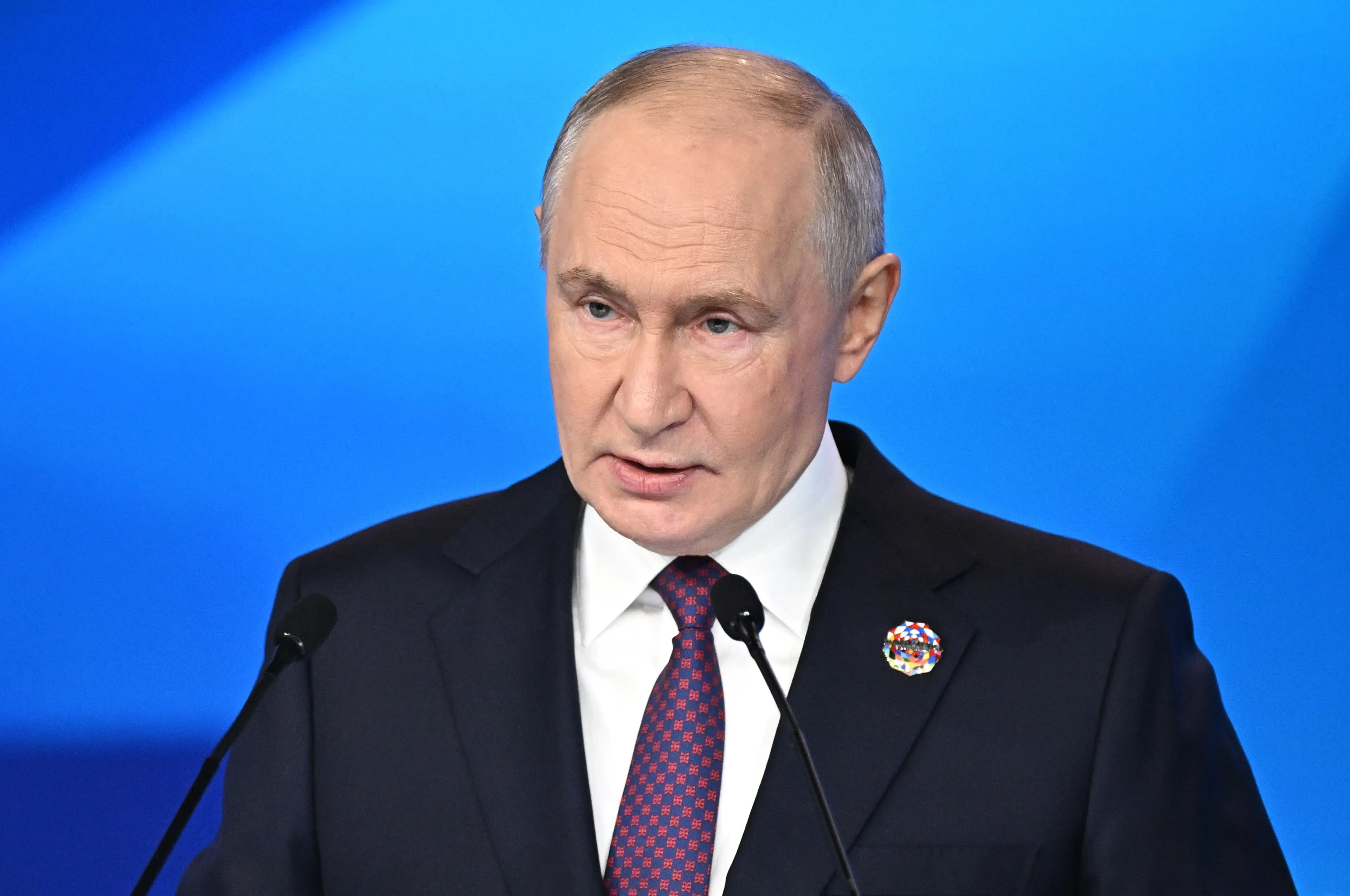
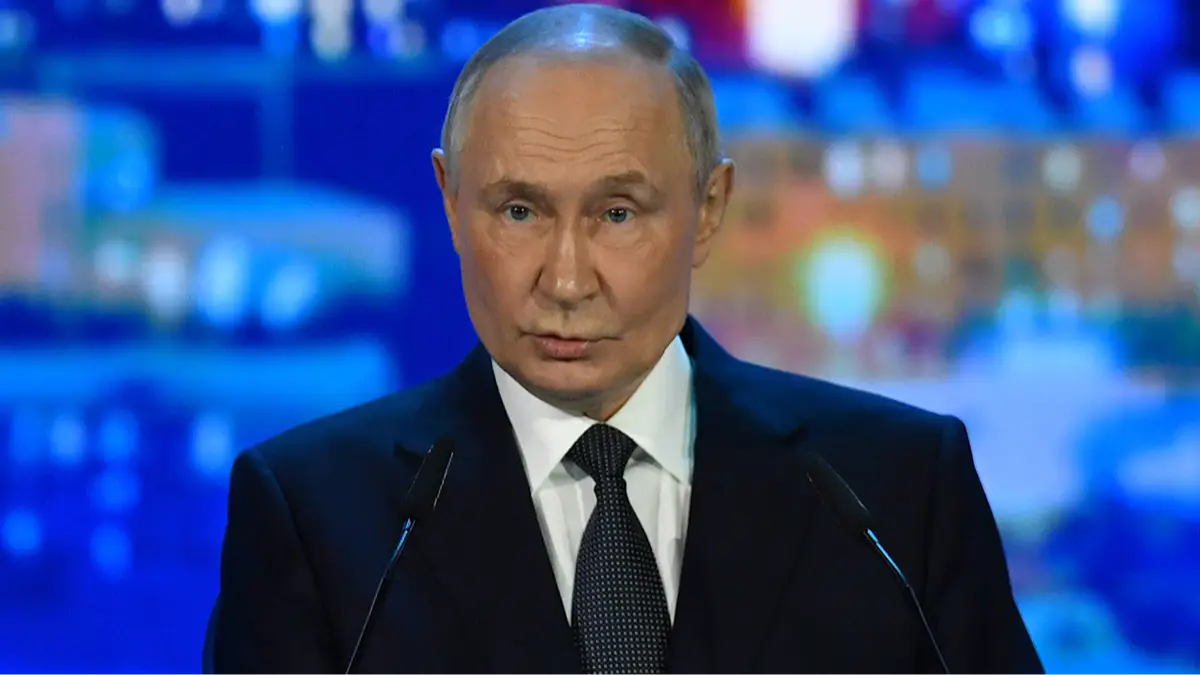
Europe in particular should be preparing for an emergency situation as Vladimir Putin has warned that Russia is 'ready' for war.
"We are ready for war with Europe, but we don’t want it," the Russian president said, Metro Online reports, adding: "As for them – if anyone desires such a thing, let them prepare."
Putin also said that the West had 'failed to achieve their goal of inflicting a strategic defeat on Russia'.
He further warned: "If things go too far, there will be no winners at all."
Topics: World News
 Niamh Shackleton