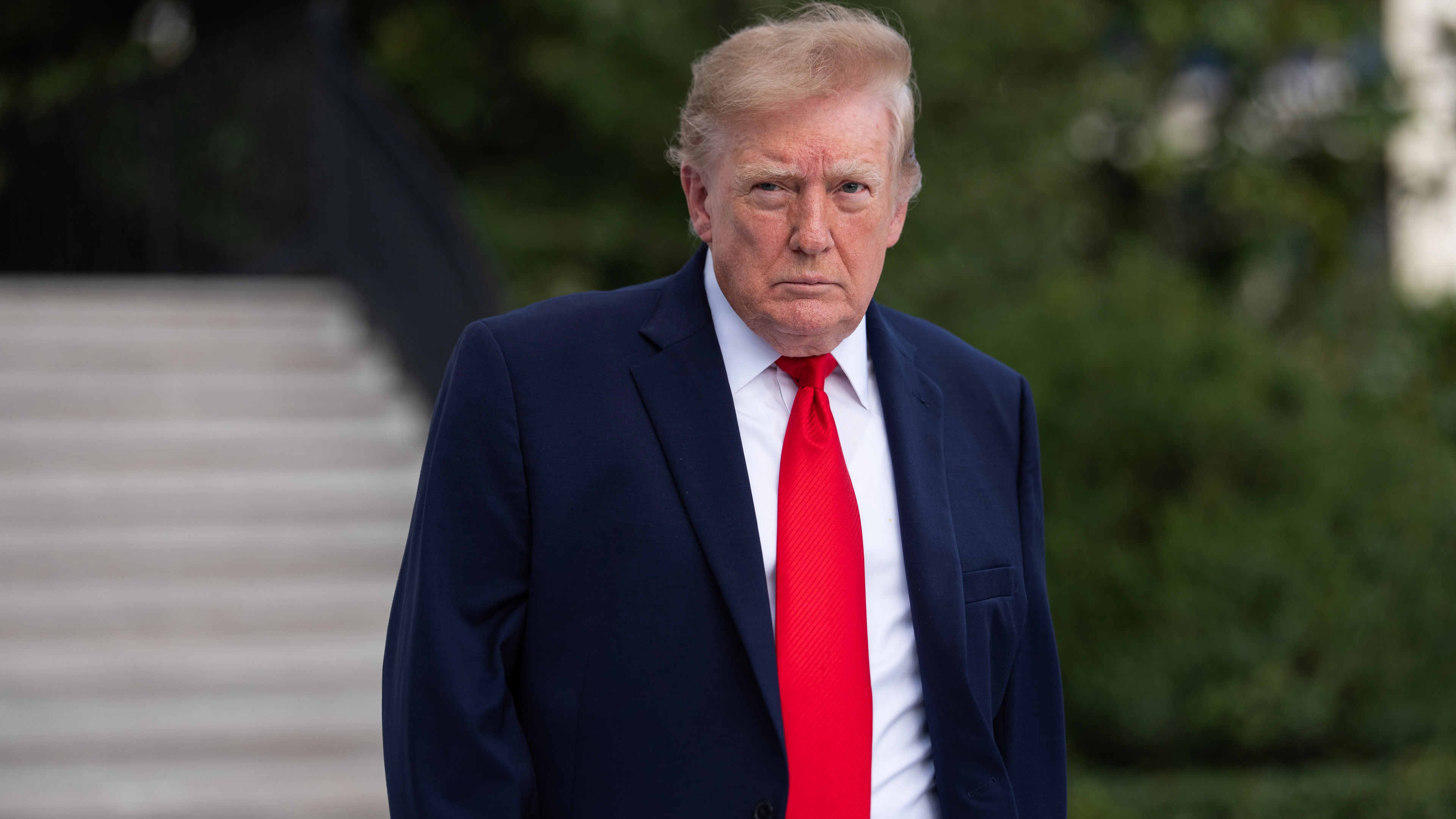
AI predicts what could happen if Trump and Republicans lose the 2026 midterm elections

An AI assessment has outlined a potential political crisis that could unfold if Donald Trump and Republicans lose control of Congress in the November 3, 2026 midterm elections.
The analysis suggests a major Republican defeat could leave Trump facing congressional investigations, renewed impeachment efforts and bitter disputes over government spending during the final two years of his presidency.
However, the scenarios outlined by the AI are possibilities rather than predictions of what will definitely happen, and losing Congress would not automatically remove Trump from office or trigger an economic collapse.
The immediate fallout could begin within the Republican Party, as lawmakers in competitive districts face pressure to distance themselves from the White House.
Advert
Party leaders could also come under scrutiny as members argue over who was responsible for the election result.
If Democrats win control of the House of Representatives, they would gain authority over its committees and investigative priorities, giving them greater power to scrutinize the administration.
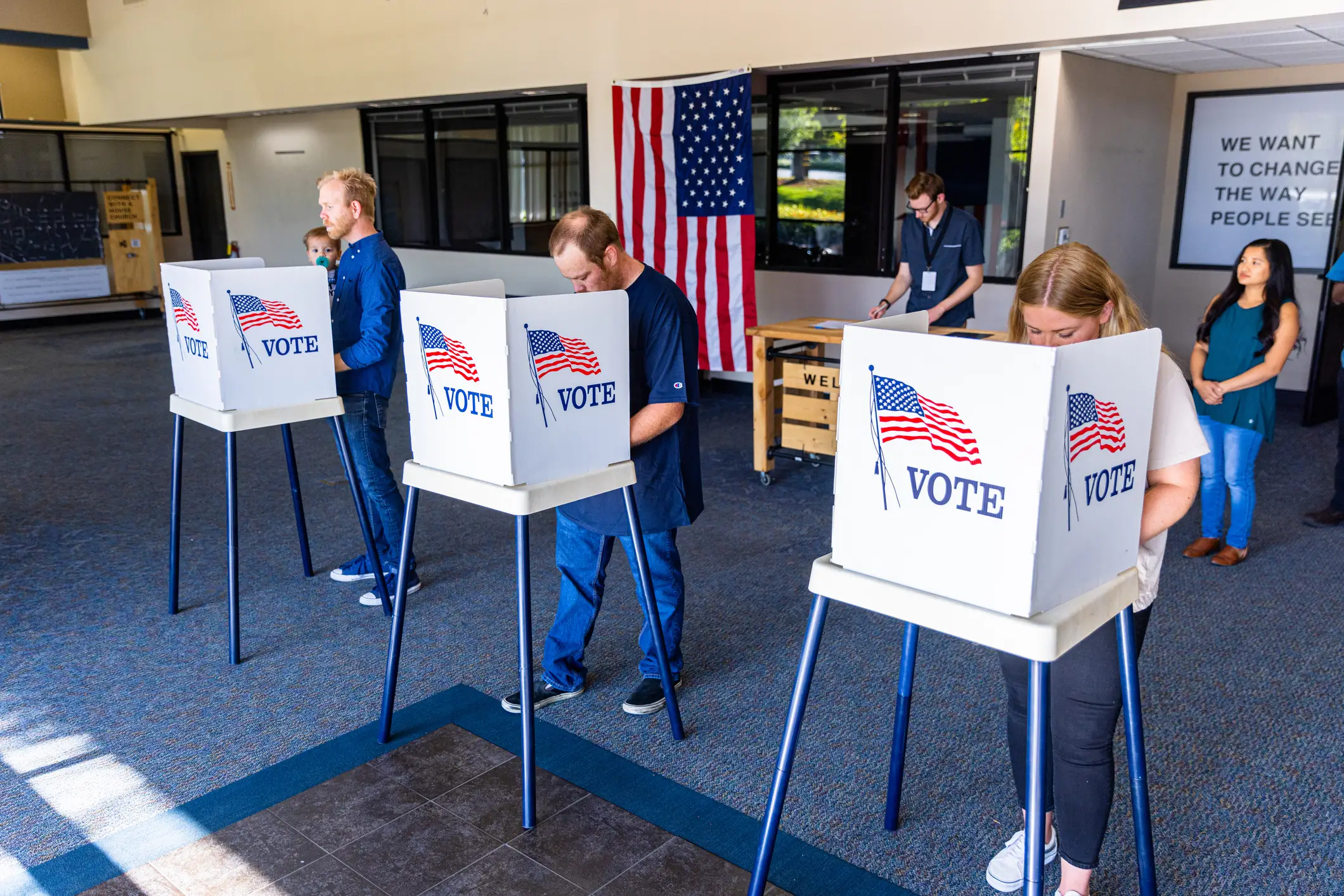
What could happen if Democrats win control of Congress in 2026?
According to the AI assessment, a Democratic-controlled House could make investigations a defining feature of Washington politics from January 2027.
Lawmakers could investigate federal spending, immigration enforcement and decisions made by the president.
They could also subpoena administration officials, demand records and hold hearings that keep the White House under sustained political pressure.
The analysis identifies impeachment as another possible development if Democratic lawmakers believe there are grounds to pursue it.
The House can approve articles of impeachment with a simple majority, but impeachment alone does not remove a president. Conviction in the Senate requires a two-thirds majority of senators present, making removal a significantly higher hurdle.
Even if Democrats win a decisive victory, therefore, Trump would not automatically lose the presidency. Instead, impeachment proceedings could become another source of confrontation between Congress and the White House.
Budget negotiations could create a separate flashpoint. The AI assessment suggests disagreements over government funding or other fiscal deadlines could contribute to a shutdown or a debt-ceiling standoff, although neither outcome is inevitable.

Could Trump's midterm defeat cause a US economic crash?
The AI assessment also considers the potential economic consequences of a prolonged political confrontation.
Financial markets could become unsettled if investors grew concerned about government borrowing, tariffs, inflation or an extended government shutdown.
However, the analysis does not suggest that a Republican defeat alone would cause the stock market to crash, the US dollar to collapse or the country to enter a recession.
The political backdrop is already attracting attention ahead of the vote. Reuters reported on October 26 that Democrats led Republicans by 47 percent to 36 percent in the generic congressional ballot.
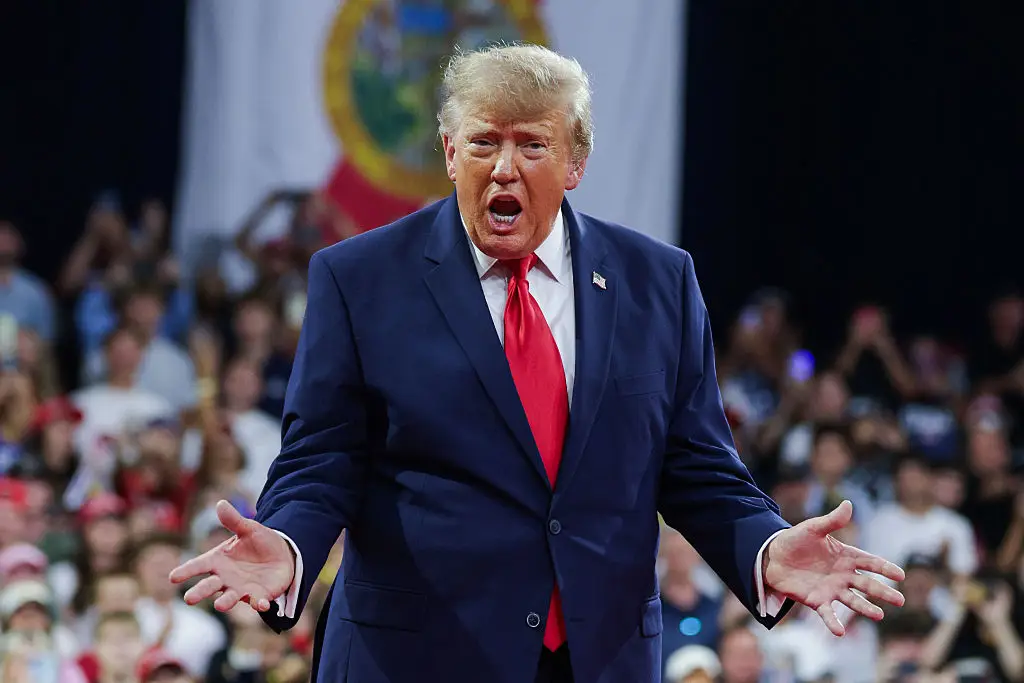
That figure reflects national polling rather than the outcome in individual congressional districts, so it does not establish which party will ultimately control the House or Senate.
Looking beyond the immediate aftermath, the AI assessment suggests the election could also shape both parties' strategies ahead of the 2028 presidential race.
Democrats would face pressure to demonstrate they can govern effectively, while Republicans would have to decide whether to continue with Trump's political approach or change direction.
Crucially, the AI's scenarios distinguish between losing Congress and losing the presidency.
Even if Democrats take control of both chambers, Trump would remain in office and retain his executive powers.
The most dramatic realistic outcome outlined in the assessment is a prolonged period of political deadlock, potentially involving investigations, budget disputes and impeachment proceedings.
Topics: Donald Trump, Artificial Intelligence
 Thomas Bamford