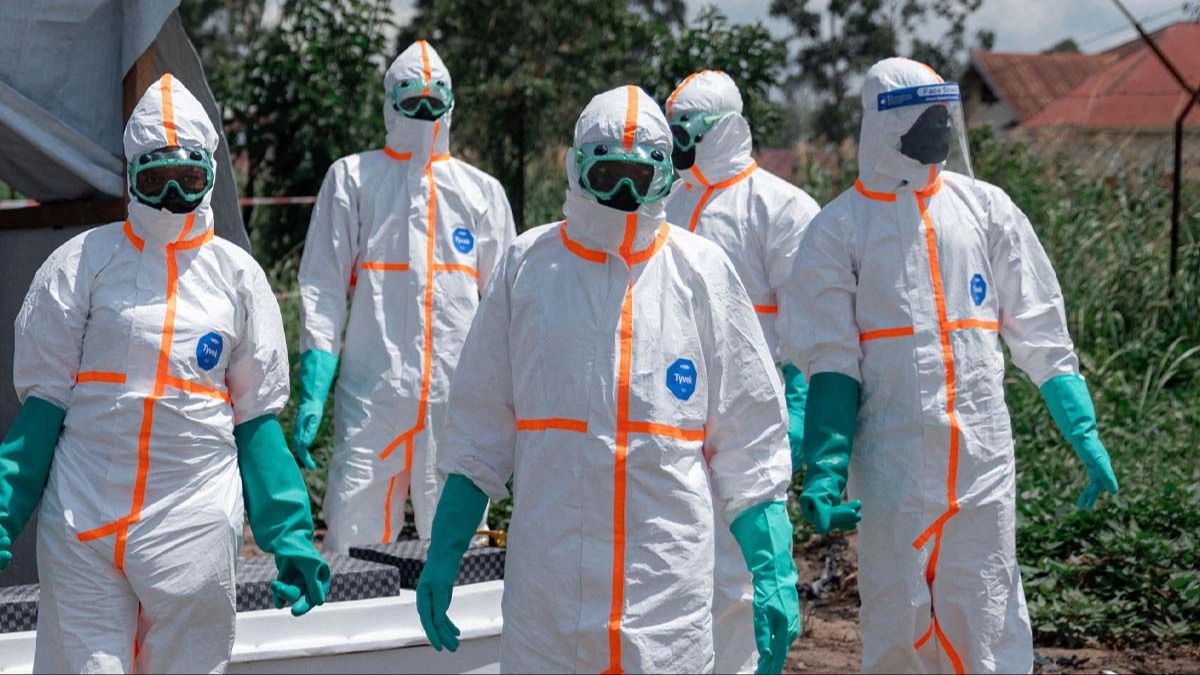
Ebola outbreak death toll rises to record high as experts issue 'severe' warning

The number of people who have died in Congo's Ebola outbreak has surpassed 5,000, as the country continues to struggle to get to grips with the deadly disease.
According to data from the Congolese Ministry of Health, 5,026 people have so far died from Ebola with a total of 10,351 reported to be infected, marking a nearly 50 percent lethality rate.
Major concerns are now being raised over the authorities' ability to contain the deadly virus, which has continued to spread rapidly since another outbreak was declared in May of this year.
This particular outbreak, which is caused by the Bundibugyo virus, is the second deadliest Ebola outbreak in history, coming second only to the horrific two-year-long West Africa outbreak from 2014 to 2016, in which 11,000 people tragically died.
Advert
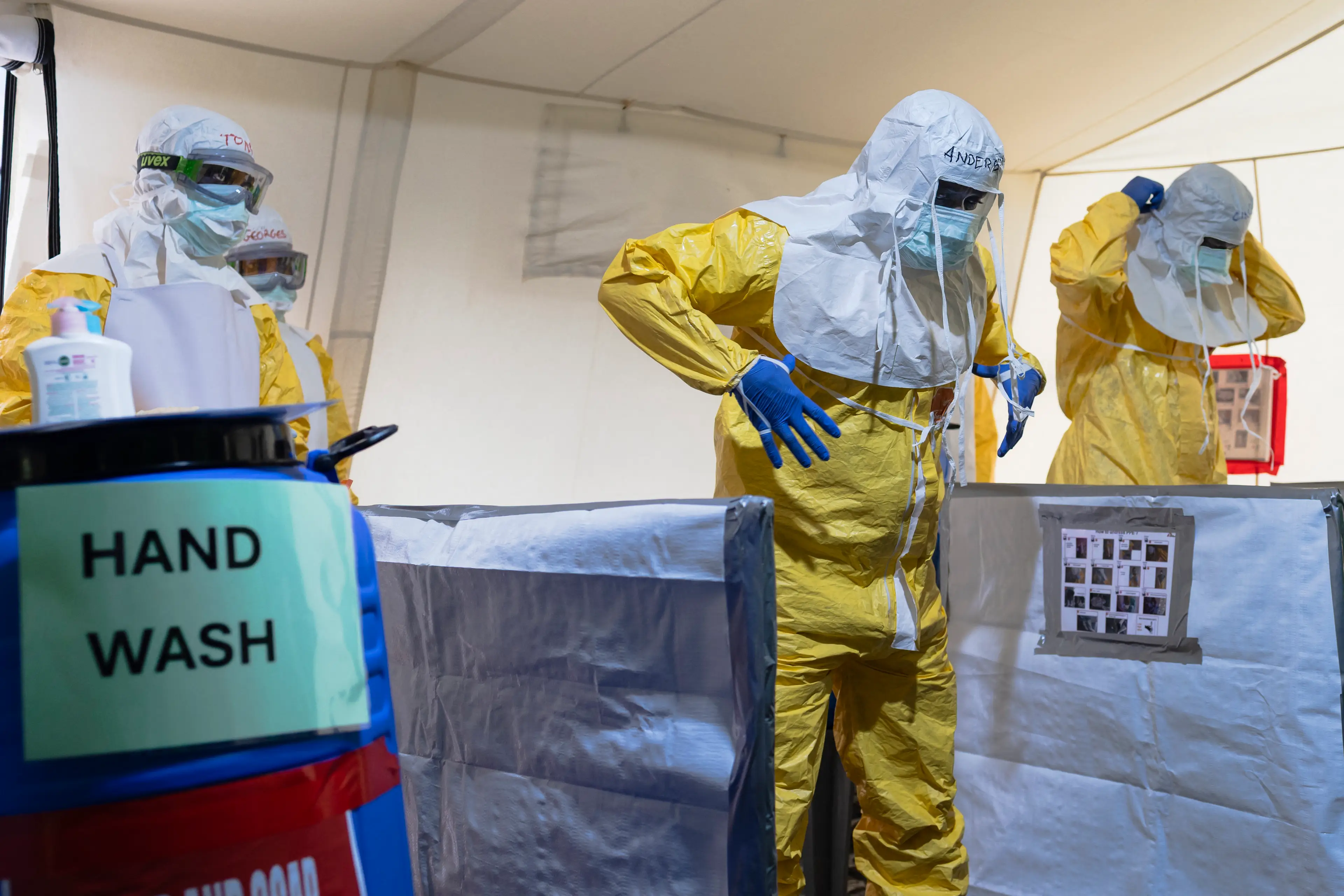
World Health Organization (WHO) program manager Dr Patrick Otim said the 'very tragic milestone is 'just not a number.'
"It is families and communities that have been devastated by this outbreak," he said, as per NBC News. "The number also shows the severity of this outbreak."
Despite there being no known treatment or vaccine for the Bundibugyo, health care workers in Congo have been treating patients based on their symptoms, and so far 2,788 people are said to have recovered from the disease.
The Bundibugyo virus is one of four Ebola virus species which is known to cause illness in humans, with early symptoms including a sudden fever and headache, extreme tiredness and weakness, muscle and joint pain, a sore throat, loss of appetite and chills, according to WHO.
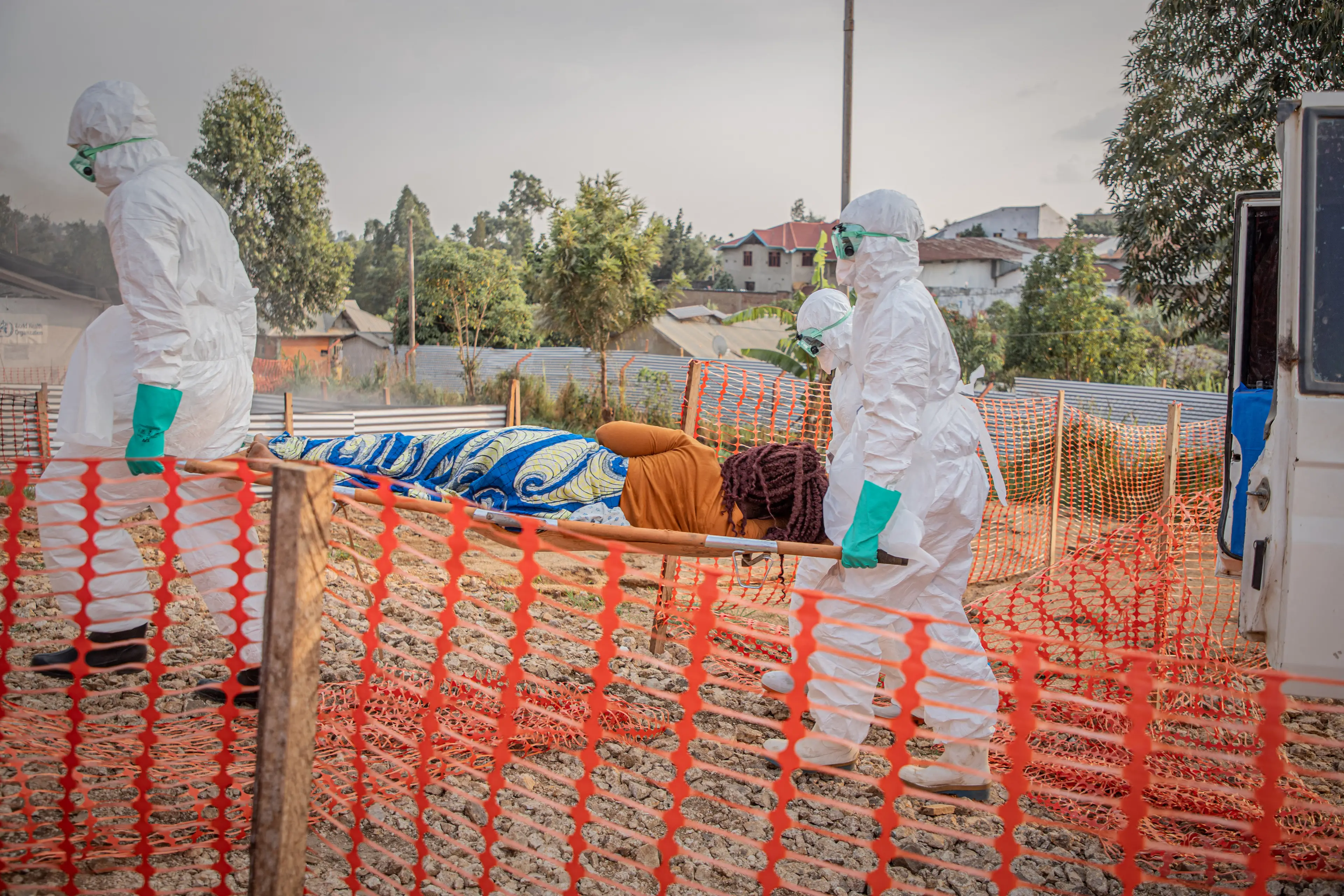
As the virus progresses, people can experience severe diarrhoea, persistent vomiting, significant abdominal pain, nausea, red or irritated eyes, skin rashes, chest pain, difficulty breathing and confusion.
In the most serious of cases, complications can include bleeding from the nose or gums, unexplained bleeding, blood in vomit or stools, unusual or internal bleeding, organ failure or shock.
Since the outbreak was first declared in May Ebola has spread to 67 of the country's 178 health zones in eight of 26 provinces, as 50 of the affected 67 health zones currently have active cases.
The spread has largely been put down to authorities struggling to trace and test known contacts, which is a key component in curbing the outbreak.
This comes as the Africa Centers for Disease Control and Prevention announced that around eight in 10 of new cases are emerging from outside the chain of monitored contacts.
Topics: World News, Health
 Emma Rosemurgey