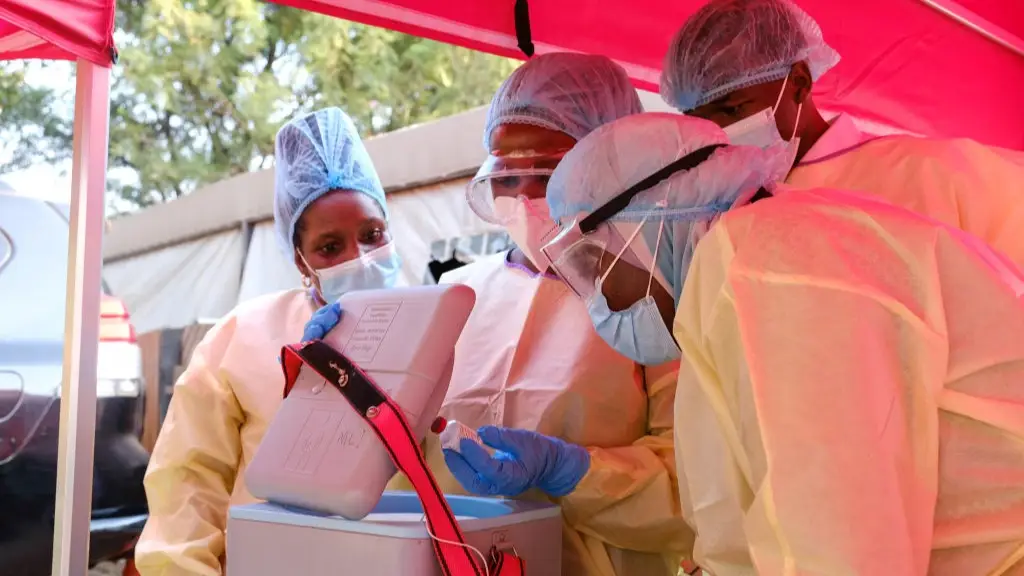
Ebola symptoms and how it spreads as officials confirm 131 dead in outbreak

The death toll for the ongoing Ebola outbreak in eastern Africa is continuing to rise as local officials in war-stricken nations struggle to contain the extremely deadly virus as it spreads across the region.
Officials in the Democratic Republic of Congo have witnessed 131 deaths since the outbreak began, with a further 500 infections identified as they admit that the Bundibugyo virus-caused Ebola is becoming harder to control.
The World Health Organization has consequently described this outbreak in the DRC as an international emergency with the potential to continue spreading the disease, which has a 90 percent fatality rate if left untreated.
Six American citizens are believed to have been exposed to this current outbreak, with the Centers for Disease Control (CDC) stating that they are attempting their 'safe withdrawal' from eastern Africa as concerns about the outbreak escalate.
Advert
One of those Americans has tested positive for Ebola, but has been transported to Germany for further treatment, rather than back to the US.
What are the symptoms of Ebola?
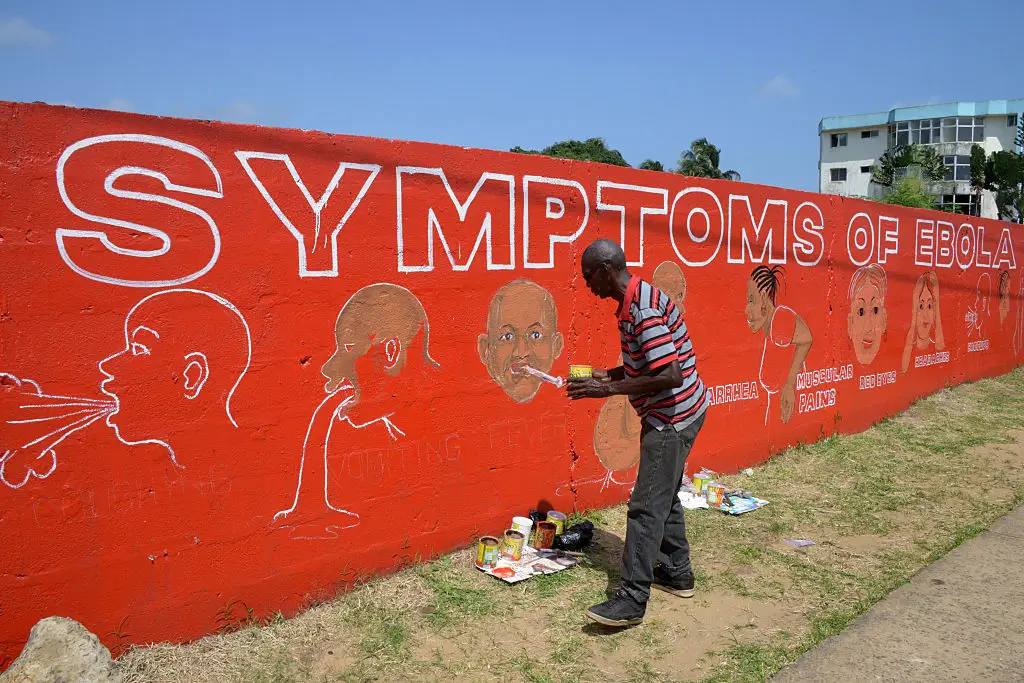
People infected with Ebola can start experiencing symptoms anywhere between two and 21 days after coming into contact with someone who has the virus, with people typically showing symptoms between eight and 10 days after exposure, according to the CDC.
What makes it difficult to identify, at this stage, is that it can present with fairly generic 'dry' symptoms that can be mistaken for a number of other common ailments. These symptoms are
- Fever
- Aches and pains in the muscles and joints
- Severe headache
- Weakness and fatigue
- Sore throat
But after four or five days of these 'dry' issues, many people will start to feel even worse and begin experiencing 'wet' symptoms, which are:
- Loss of appetite
- Unexplained bleeding
- Nausea
- Abdominal pain
- Diarrhea
- Vomiting
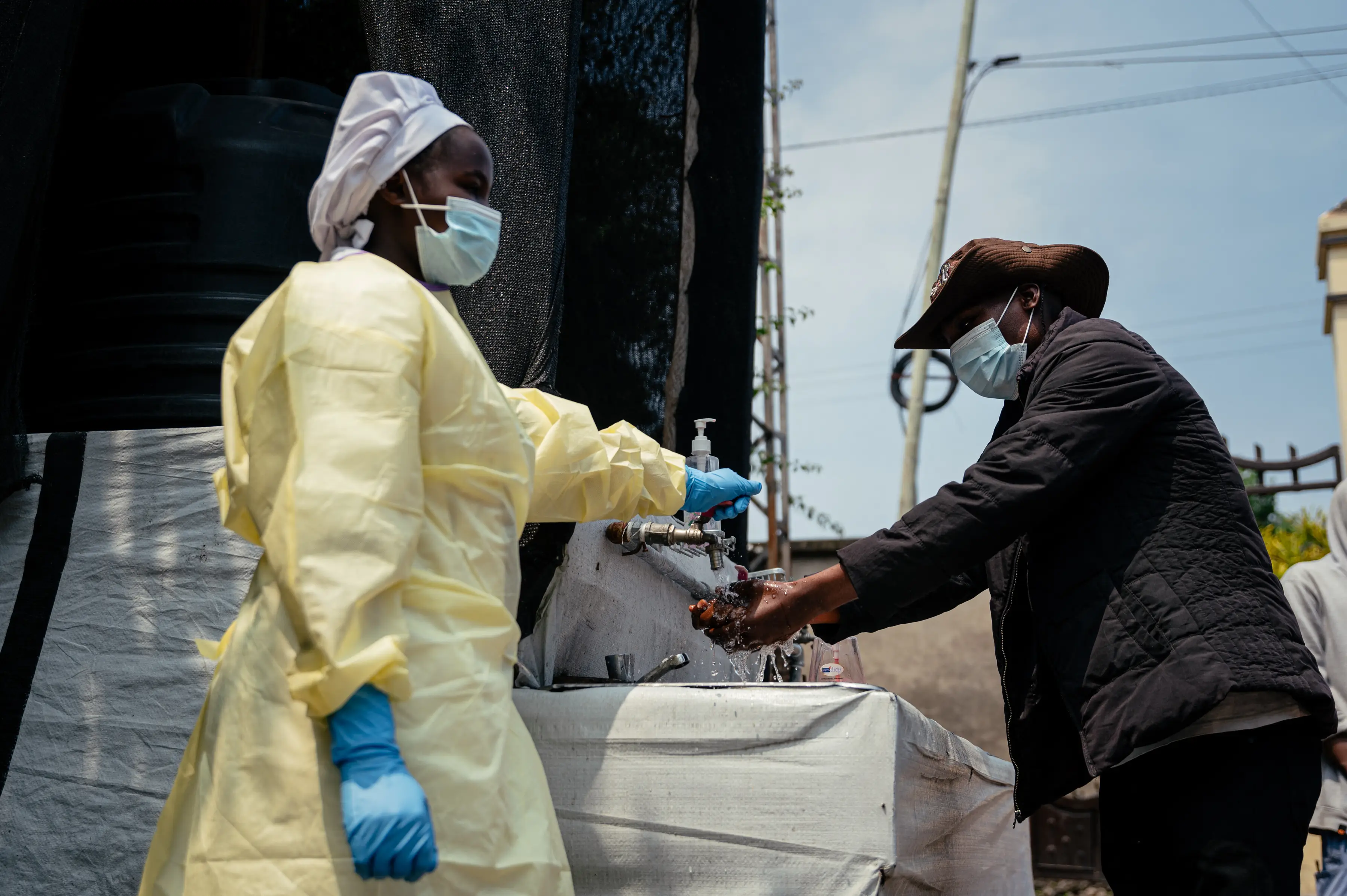
The CDC states that people who experience more severe symptoms early in their sickness are at highest risk of dying from Ebola, which has a 90 percent fatality rate without treatment.
How does Ebola spread?
Ebola spreads through direct contact with the bodily fluids of an infected person and cannot be passed on through the air or casual contact. Symptoms include fever, muscle pain, rash, severe weakness, abdominal pain, vomiting blood and nosebleeds.
The strain at the centre of the Ebola outbreak is Bundibugyo, a rare and particularly dangerous variant first identified in 2007.
Unlike the more well known Zaire strain of Ebola, for which vaccines do exist, there is currently no approved vaccine or specific treatment for the Bundibugyo strain.
What is the Bundibugyo Ebola strain?
"The Bundibugyo strain has no vaccine, no specific treatment," DR Congo health minister Samuel-Roger Kamba warned at a press briefing in Kinshasa on Saturday.
"This strain has a very high lethality rate which can reach 50 percent."
The outbreak is centers in Congo's eastern Ituri province and marks the country's 17th Ebola outbreak since 1976. The disease has a brutal track record in the region, one of the worst outbreaks on record killed more than 11,000 people between 2014 and 2016, a figure that shows how catastrophic things can get if the virus isn't contained quickly.
The CDC has issued travel advisories urging Americans in both Congo and Uganda to practice 'enhanced precautions' and avoid contact with anyone displaying symptoms. Anybody planning to travel to either country in the near future is being advised to check the latest guidance before they go.
 William Morgan