Health officials issue update on spread of Nipah virus with no cure in response to woman's death

After a woman died from the Nipah virus, health experts have shared new warnings to those travelling to infected areas.
The woman was confirmed to have caught the incurable virus, hich has a fatality rate between 40 and 75 percent, in Bangladesh.
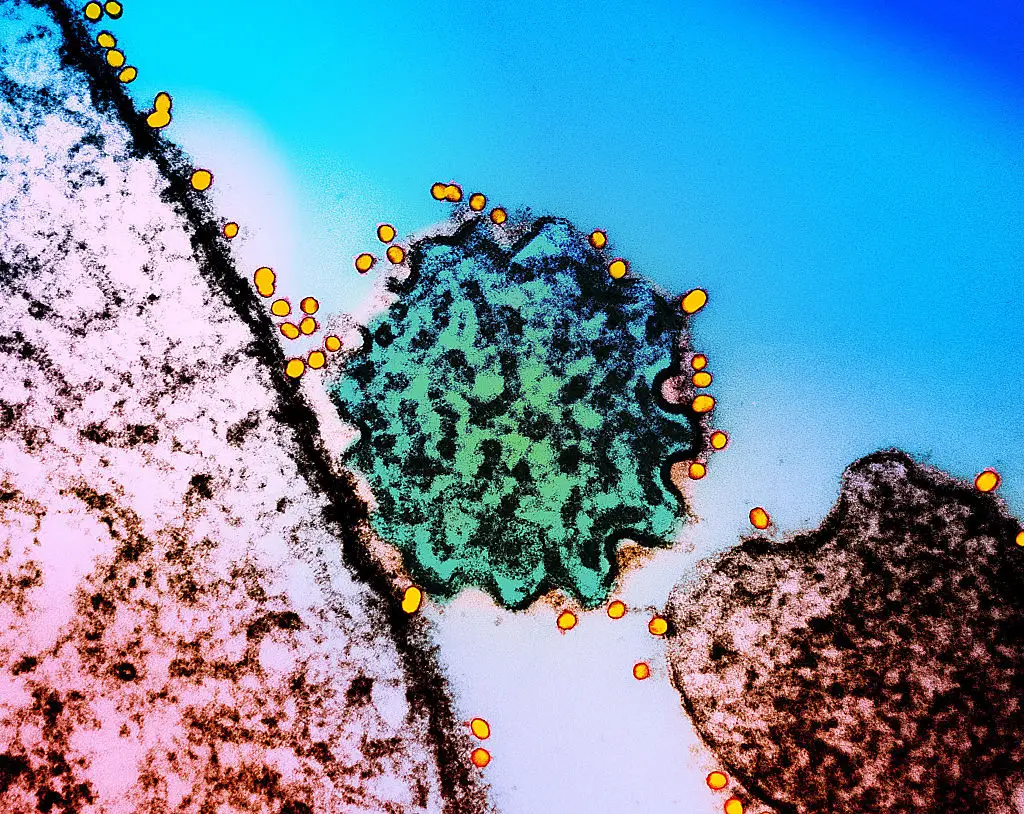
Nipah virus is a brain-swelling virus known to spread from bats to humans, often via contaminated palm sap. Since December, there have been two confirmed cases in India, with 200 people placed in quarantine.
The woman in Bangladesh was reported to be between age 40 and 50, and began to experience symptoms on January 21, the World Health Organisation (WHO) stated.
Advert
“On 3 February 2026, the International Health Regulations National Focal Point (IHR NFP) for Bangladesh notified WHO of one confirmed case of Nipah virus (NiV) infection in Rajshahi Division,” the international health organisation said in a statement.
The woman developed a fever, headache, muscle cramps and no longer had an appetite before hypersalivation, disorientation and convulsions, took over.
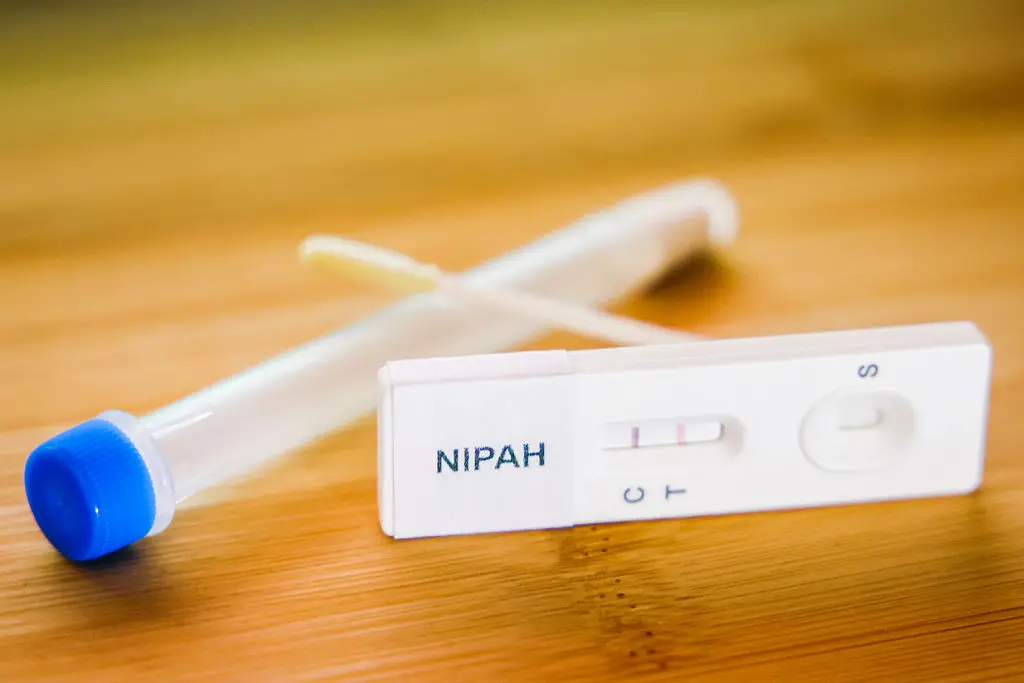
Sadly, she became unresponsive on January 27 and passed away one day later after being taken to hospital, where she tested positive for Nipah.
The WHO stated she had reported ‘repeated consumption of raw date palm sap’ prior to her death.
The agency highlighted that since 2001, Bangladesh has experienced Nipah virus outbreaks almost every year.
In a statement last month, WHO chief Tedros Adhanom Ghebreyesus said Nipah is a ‘rare but serious disease', adding: “Authorities have increased disease surveillance and testing, implemented prevention and control measures in health care settings, and are keeping the public informed about how to protect themselves.”
It suggests people take preventative measures when in the countries impacted by boiling date palm juice and washing and peeling the fruits before eating.
If there are signs of bat bites, throw them away.
As for human-to-human transmission, it states: “Close unprotected physical contact with NiV-infected people should be avoided. Regular hand washing should be carried out after caring for or visiting sick people along other preventive measures.
“People experiencing Nipah-like symptoms should be referred to a health facility, as early supportive care is key in the absence of treatment. Contact tracing and monitoring are also key to mitigate human-to-human transmission.”
The 35 people who had contact with the woman were monitored, with no other cases being detected.
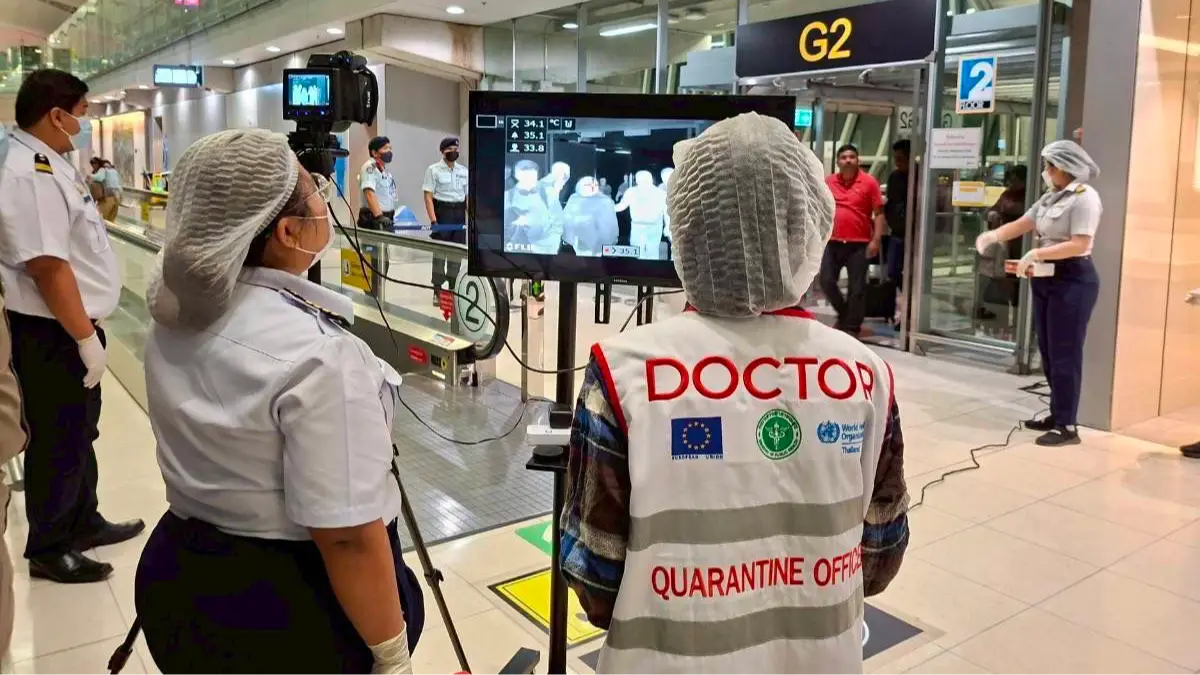
The WHO explained that there is a low risk of the condition spreading internationally, however, Thailand and Malaysia introduced Covid-style airport screenings to be safe.
Topics: World News, Health
 Britt Jones