
How deadly virus with no cure infects people as outbreak causes airports to launch COVID-style measures

Update 01/28/26: Following publication of this article, authorities in India performed more tests and have now reported that only two cases of Nipah virus have been confirmed. Previously, the government stated there were five cases.
A virus is causing a stir right now after a concerning outbreak has prompted countries to take COVID-19-style measures.
The 2020 Covid-19 pandemic taught many people and nations just how dangerous a virus spreading quickly can be.
Due to the lockdown and many restrictions still being in many people’s recent memory, it is no surprise that strong steps are being taken early after the deadly Nipah virus cases in Asia earlier this year.
Advert
In January, it was confirmed that five people in West Bengal, India, had contracted the illness.
Two nurses were on duty together at a hospital when they fell ill between December 28 and 30, before being admitted to intensive care on January 4, one of whom is in 'critical condition', local media reports.
As of January 26, 100 people have been quarantined, with no cases currently reported outside India.
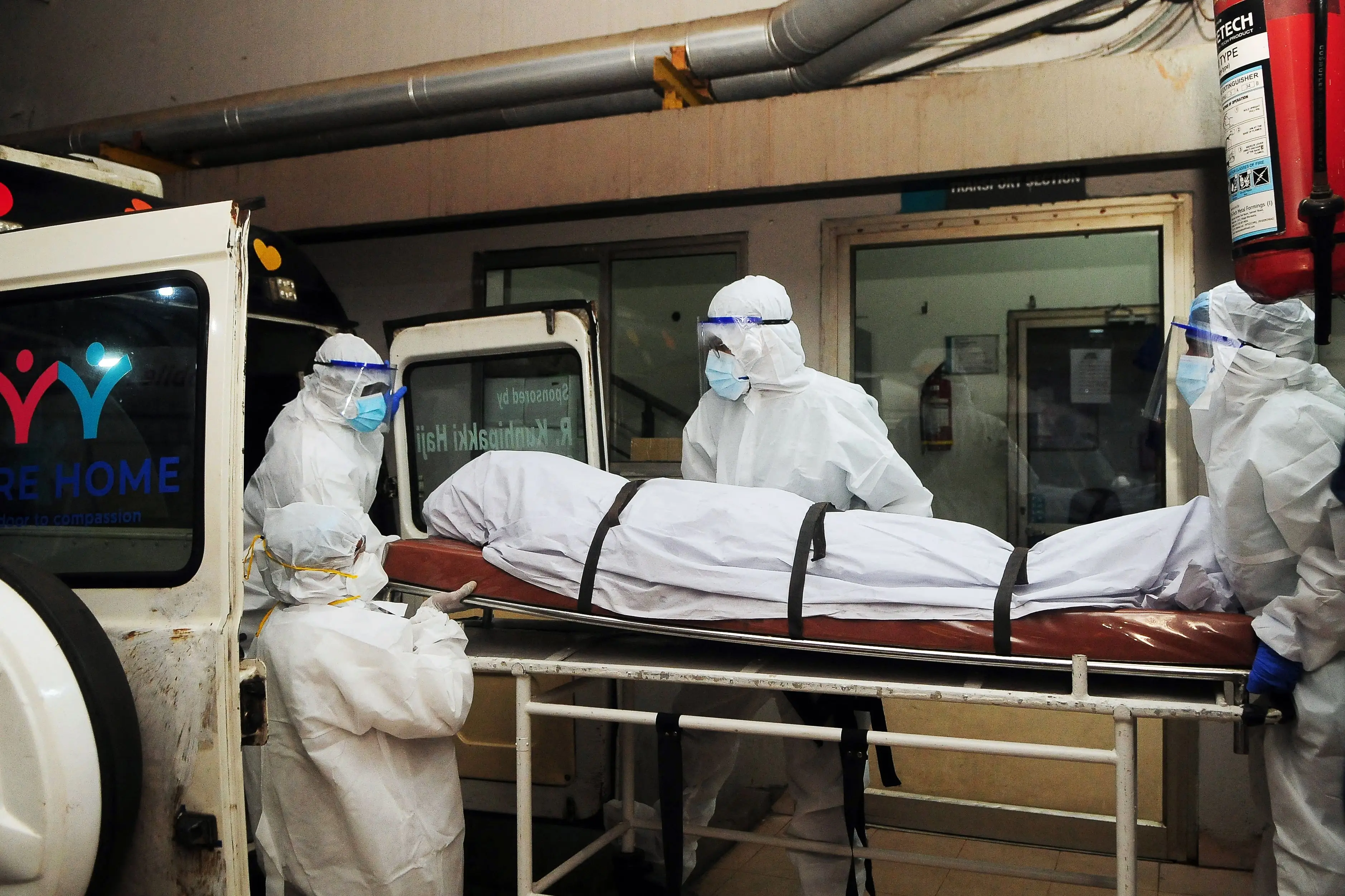
As a precaution to prevent the spread of the disease, Thailand, Nepal, and Taiwan have since increased their airport precautions, including temperature checks, face masks, and social distancing.
Thailand and Nepal have also started screening passengers coming in from West Bengal flights.
What is the Nipah virus and where did it come from?
The Nipah virus isn’t new and, according to World Health Organization (WHO), has been recognized since 1999 following an outbreak in Malaysia.
However, with that said, there is no cure for the disease, and it has a scarily high fatality rate of 40-75 per cent, though there is limited treatment, which is often intensive care.
The disease is known as a zoonotic virus, meaning it can jump from animals to humans. In this case, the animals are fruit bats, which are natural hosts of the virus.
Despite experts being aware of the virus, according to the WHO, there is no treatment or vaccine available for either people or animals.
Due to this, preventative action against the spread of diseases is considered very important. The WHO also recognized that there is a need for accelerated research and development on the virus.
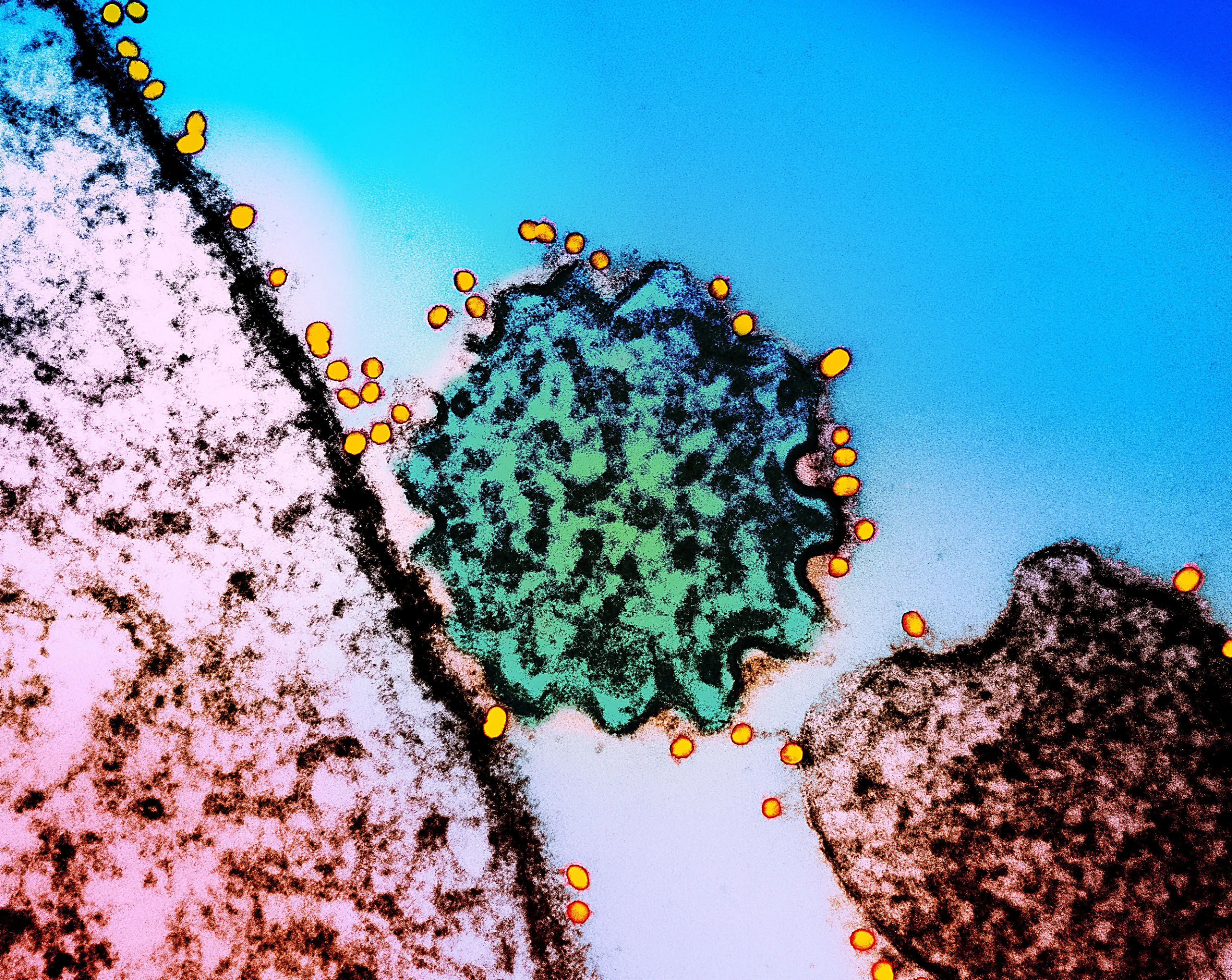
How does the Nipah virus spread?
While the disease primarily spreads through bats, it can also spread through pigs and other animals such as goats, horses, dogs, or cats.
Once the disease has spread to humans, it can be transmitted person to person.
According to the Cleveland Clinic, the disease spreads:
- If a person or animal has contact with the bodily fluids, blood, urine, saliva or faeces of an infected animal.
- If a person eats foods contaminated by an infected animal.
- If people are in close contact with someone who has Nipah virus, typically while caring for them.

What are the symptoms of the Nipah virus?
When humans develop symptoms, they usually display a range of flu-like symptoms. These tend to appear within 4 to 14 days after exposure to the virus.
Due to this, people often spread the disease, unaware that they have even contracted it. This includes having a fever, headaches, muscle pain, diarrhea, vomiting, and a sore throat.
However, this can progress and become more serious, with further symptoms like dizziness, drowsiness, slurred speech, seizures, coma and respiratory distress.
The most serious complication is often what makes it so deadly. It is known as the neurological complication called encephalitis, which is the swelling of the brain and can prove to be fatal.
Individuals who survive acute encephalitis make a full recovery, but long-term neurologic conditions have been reported in survivors, according to the WHO.
Topics: News, World News, Coronavirus, Health
 Gerrard Kaonga