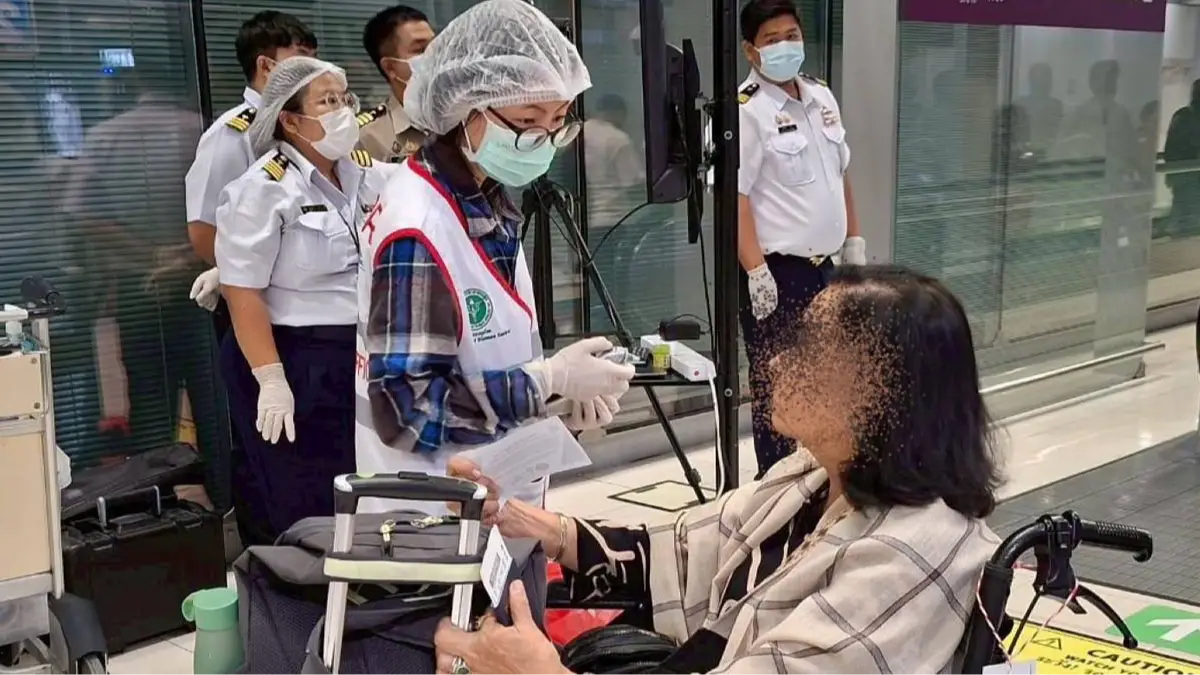
Doctor issues warning after outbreak of virus with no cure as airports introduce COVID-style measures

With the outbreak of the Nipah virus some countries have already taken big precautionary steps to prevent a bigger issue.
Following the COVID-19 pandemic, countries are understandably a little wary of a virus outbreak which explains why three Asian nations have made some changes recently. India has announced that they have at least two confirmed cases of Nipah virus in West Bengal since December.
The two individuals in question were nurses on duty together at the hospital between December 28 and 30. Shortly after they both became unwell and were admitted to intensive care on January 4.
The Nipah virus has a high fatality rate of 40-75 percent and there is limited treatment and no cure. The disease is not new, but our understanding of it means preventative measures can be the best step at preventing further outbreaks and spreading.
Advert
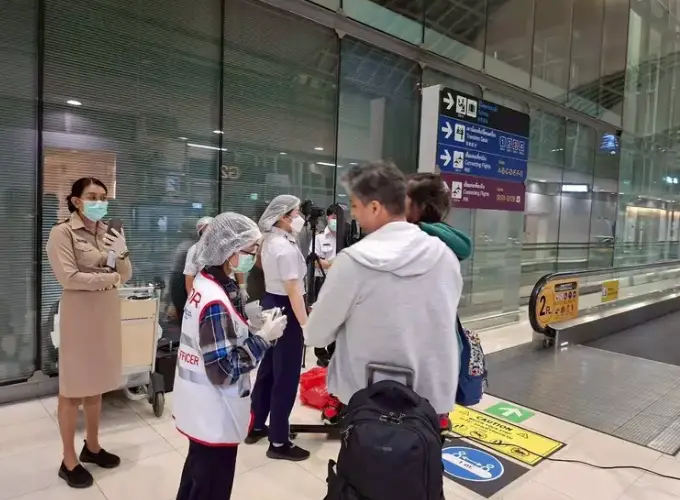
Nepal, Thailand, and Taiwan have taken to changing the procedure at airports that could have passengers from risk area, in a similar way that we saw following the outbreak of COVID-19.
Some of these measures include passengers filling out a health declaration form, having a medical certificate showing they are a fit to fly if they have a fever, screening areas, isolation rooms and potentially a different baggage handling procedure.
A doctor who has previously dealt with an outbreak has now issued a warning and spoken about the importance of containing the virus early.
Dr Seethu Ponnu Thampi, a community medicine specialist and an assistant surgeon in the Kerala Health Service Department, who was a student doctor during an outbreak in in Kozhikode in 2018 has spoken about a way to contain it.
Speaking to The National publication about the importance of cutting the chain of transmission, she said: “That is from bats to humans, then humans to humans.

“This is a zoonotic disease and the fruit-eating bat is the main reserve host for this virus. As a result, we need to cut all the possible ways to transmit this virus from the bat to humans.
“Healthcare workers in particular should be extra cautious as they are at very high risk, due to aerosol generation during intubation.
“They are in direct contact with symptomatic patients and more prone to transmission.
“During the initial incubation period, we have seen less transmission of the virus. In outbreak areas, people should try to avoid areas of intense vegetation where fruit bats are likely to congregate.”
Topics: News, World News, Coronavirus
 Gerrard Kaonga