
Symptoms of deadly virus with no cure as outbreak prompts airports to launch COVID-style measures

Update 01/28/26: Following publication of this article, authorities in India performed more tests and have now reported that only two cases of Nipah virus have been confirmed. Previously, the government stated there were five cases.
Symptoms of the deadly Nipah virus in India, which has seen several airports reinstate health screening protocols reminiscent of the COVID-19 pandemic, have been revealed.
Health officials across the globe are on high alert due to the virus’ significant fatality rate and the lack of available treatment.
The alarm was first raised in early January, after it was confirmed that five people in West Bengal, India, had contracted the illness.
Advert
Speaking to The Telegraph about two of those who have been affected, Narayan Swaroop Nigam, the principal secretary of the Health and Family Welfare Department, said: "Two nurses at a private hospital are infected with Nipah virus, and one of them is in critical condition."
The two nurses in question were on duty together at the hospital between December 28 and 30. Shortly after they both fell unwell and were admitted to intensive care on January 4.
According to The Independent, around 100 people were being quarantined as of January 26.
With five cases now confirmed, Thailand, Nepal and Taiwan have all increased their precautionary measures at airports similar to steps that were enforced during the COVID-19 pandemic.
This includes temperature checks, masking, and maintaining a safe distance to try and avoid the spread of the disease.
What are the symptoms of Nipah virus?
According to the US Centers for Disease Control and Prevention (CDC), patients infected with the Nipah virus typically develop a sudden flu-like illness marked by fever, headache, muscle pain and fatigue.
In some cases, respiratory symptoms such as cough, shortness of breath or pneumonia can also occur.
The most serious complication of Nipah, and often what makes it so deadly, is a neurological complication called encephalitis, which is a swelling of the brain.
This can trigger numerous neurological symptoms including confusion, altered consciousness, seizures or even a coma.
The incubation period between infection and showing symptoms is usually around four to 21 days, but neurological symptoms typically appear several days to weeks after the initial onset of illness.

What exactly is the Nipah virus?
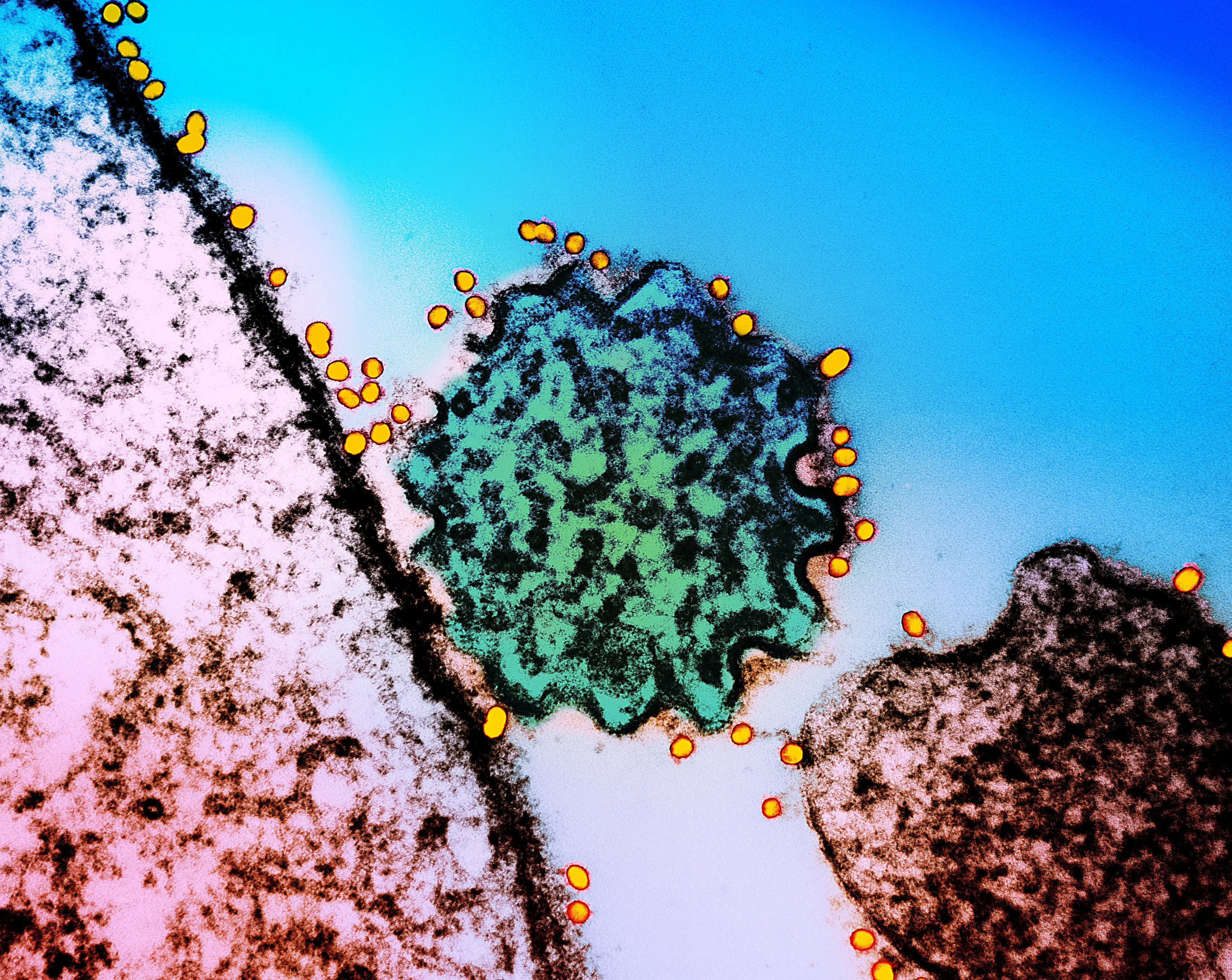
The Nipah virus is a zoonotic virus, meaning it jumps from animals (specifically fruit bats and pigs) to humans.
It can also spread through contaminated food or direct person-to-person contact.
Unlike coronavirus, which had a global mortality rate of around 3.4%, the World Health Organization (WHO) estimates the fatality rate of Nipah to sit at around 40% to 75% - making it an extremely dangerous infection to those that contract it.
Crucially, there are also currently no vaccines or specific drugs approved to treat the infection in humans or animals.
 Phoebe Tonks