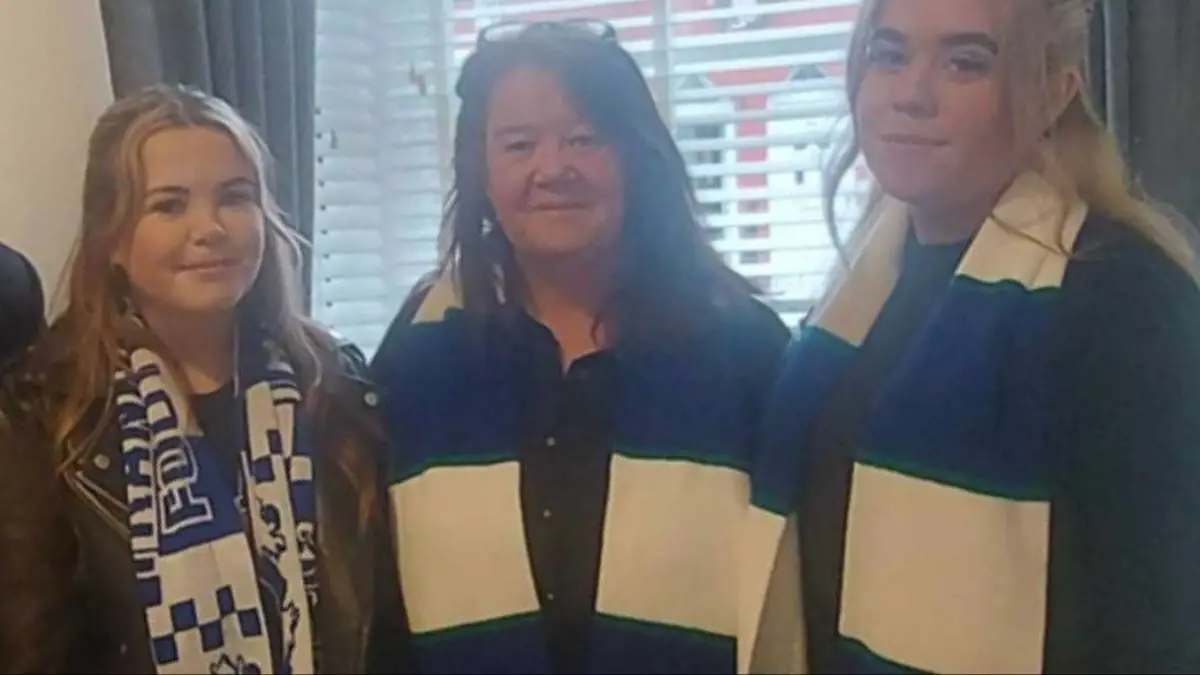
Mom, 54, dies suddenly following night out with friends after doctors ignored clear warning sign

A daughter has raged at doctors as she claims a clear misdiagnosis meant that her mother died instead of receiving treatment.
While many people put off going to the doctor when something is wrong, one woman did what she was supposed to and took steps to get herself checked out.
Unfortunately, this did not prevent her death; an outcome that has caused both heartbreak and frustration, according to her daughter.
British woman Leah McGrann, now 25, has revealed the struggle she and her family have had to go through and the grief for her mother in what, she believes, was a preventable death.
Advert
Leah’s mother, 54-year-old mother Tracey McGrann, was found dead in her Birkenhead home by her 16-year-old daughter in 2024 after having a night out only a few hours earlier.
Leah spoke to Medical Negligence Assist and told the organization: “My little sister called me up in hysterics to say, ‘I found mum dead’. I didn’t believe her, and she said, ‘Leah, the paramedics confirmed she’s dead’.
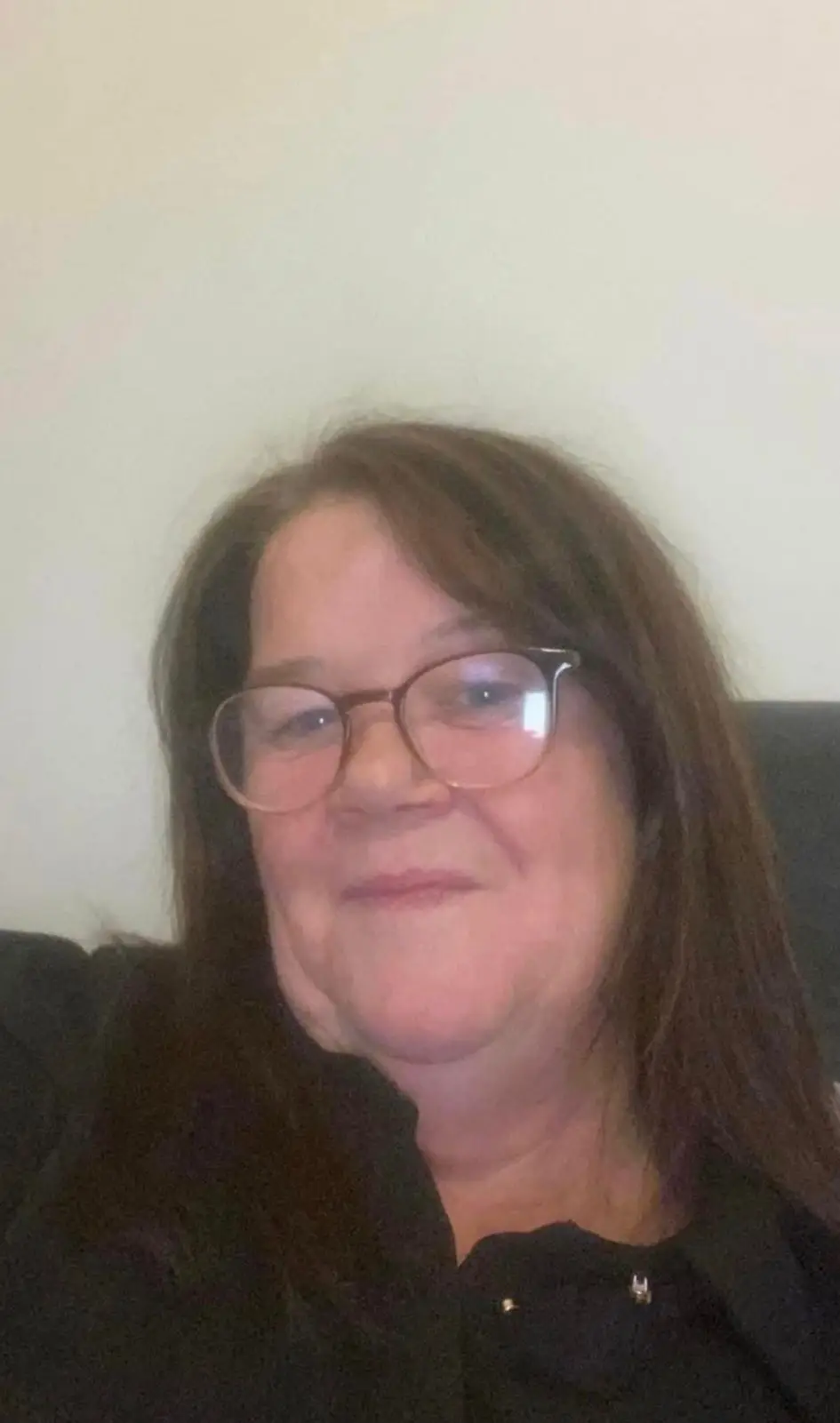
“She was out in the pub the night before for one of her friends’ birthdays, went to bed and died - no one could believe it; her mates, who she had just seen hours before her death, couldn’t. Mum was so young at heart, we thought she was going to outlive all of us.”
An inquest concluded that Tracey died of ischemic heart disease (IHD), which causes narrowing of the arteries.
However, Leah later remembered her mother’s attempts to have a health issue addressed by medical professionals.
Three months prior to her death, Tracey visited St Catherine’s Health Centre, in her hometown, after complaining of chest pain symptoms to her doctor.
After taking an electrocardiogram (ECG), her results came back days later in the form of a text message, which instructed her to admit herself into A&E immediately.
She then took another ECG in the emergency department and the results came back immediately, and Tracey made the wise decision to take a photograph of it.
Just minutes later, she was discharged and told how everything was ‘fine’ and that her doctor had caused her unnecessary stress. In addition to this, doctors at the hospital allegedly failed to sign off on the ECG despite it later being discovered that the test had flagged an abnormality.
When Leah later looked at the photo her mother took, following her death, she realized it said ‘moderate T-wave abnormality, consider anterior ischemia’.
Leah noted: “The text message she received from her GP instructing her to go to A&E was sent on the same day. It all matched, and it even flagged up ‘consider ischemia’, which they did not.”
Having spoken to a senior medical negligence solicitor at JF Law, she continued: “The trust showed me a form that said something along the lines of ‘what happened and what could we have done differently’. On it, it mentioned that the ECG should’ve been signed electronically - but there was no signature.
“During the meeting, I asked the medical professionals what duty of care did they give to my mum - they replied they didn’t. I asked them why was my mum discharged within minutes of doing that ECG - they had no response.
“If a doctor had signed the ECG off then at least we would’ve known who was to blame. If they just looked at the ECG mum would’ve been on some pathway to receiving treatment. One of the directors, who was a top medical professional, even stated that if he was on duty that night, my mum would have been admitted and transferred straight to cardiology."
When asked to respond to the death of Tracey McGrann, a spokesperson for Wirral University Teaching Hospital, where she went to A&E, said: “The Trust cares for hundreds of thousands of patients every year across emergency, specialist and community services and the provision of safe care is our top priority.
“When issues are identified or on the rare occasion that things do go wrong, we ensure learning is embedded into our patient safety and learning processes.
“Where appropriate, incidents are investigated in line with national NHS processes and with NHS Resolution, which manages clinical negligence claims on behalf of all NHS organizations.”
 Gerrard Kaonga