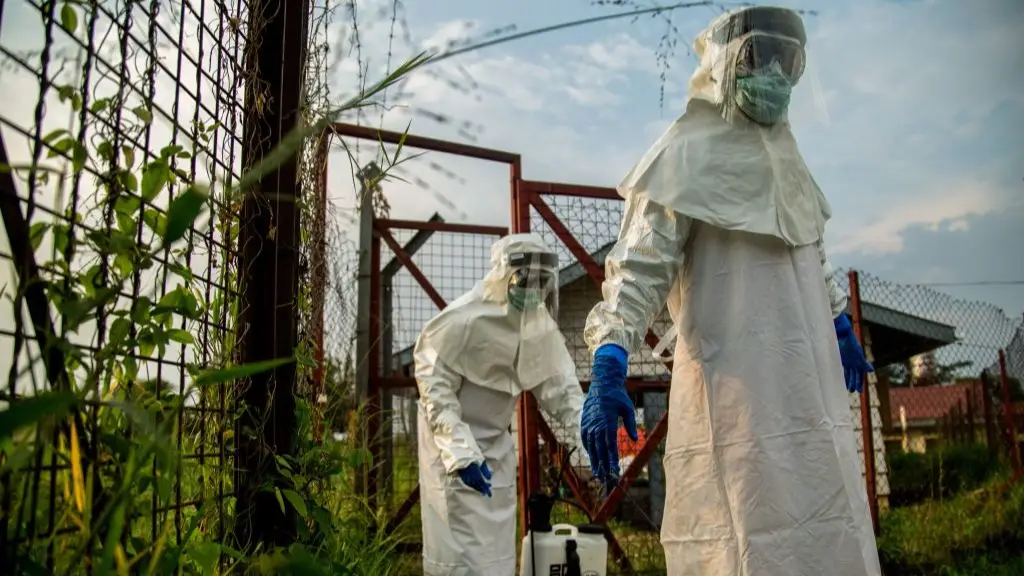
CDC responds after at least six Americans are exposed to deadly Ebola outbreak

At least six American nationals have been exposed to the Ebola virus in the Democratic Republic of Congo, with sources from the World Health Organization (WHO) revealing that one person is already showing symptoms.
Of the six, three are said to have faced high-risk contact with the disease, though it remains unclear whether any have actually been infected or whether those affected are still in the country.
The CDC confirmed it is now working to coordinate the "safe withdrawal" of a small number of Americans directly caught up in the outbreak, while also stressing that "the risk to the American public remains low."
The revelation comes as the WHO this week declared the Congo and Uganda outbreak a "public health emergency of international concern", the highest alarm it can raise.
Advert
At least 80 suspected deaths have been reported so far, with more than 300 suspected cases recorded in DR Congo as of Sunday. Eight have been lab-confirmed by the CDC.
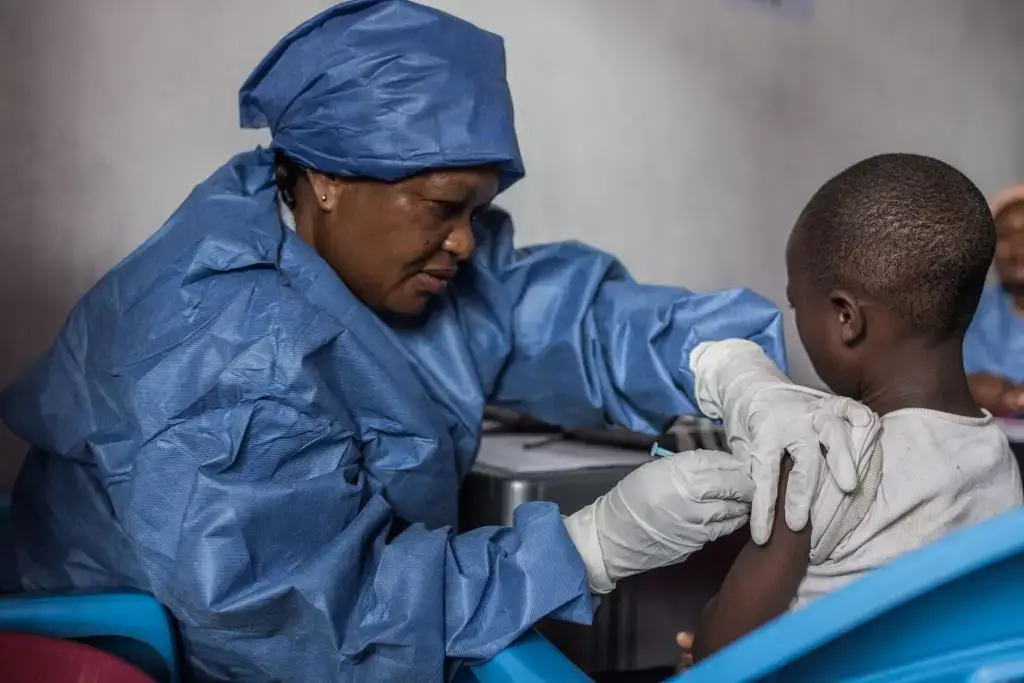
How does Ebola spread?
Ebola spreads through direct contact with the bodily fluids of an infected person and cannot be passed on through the air or casual contact. Symptoms include fever, muscle pain, rash, severe weakness, abdominal pain, vomiting blood and nosebleeds.
The strain at the centre of the Ebola outbreak is Bundibugyo, a rare and particularly dangerous variant first identified in 2007.
Unlike the more well known Zaire strain of Ebola, for which vaccines do exist, there is currently no approved vaccine or specific treatment for the Bundibugyo strain.
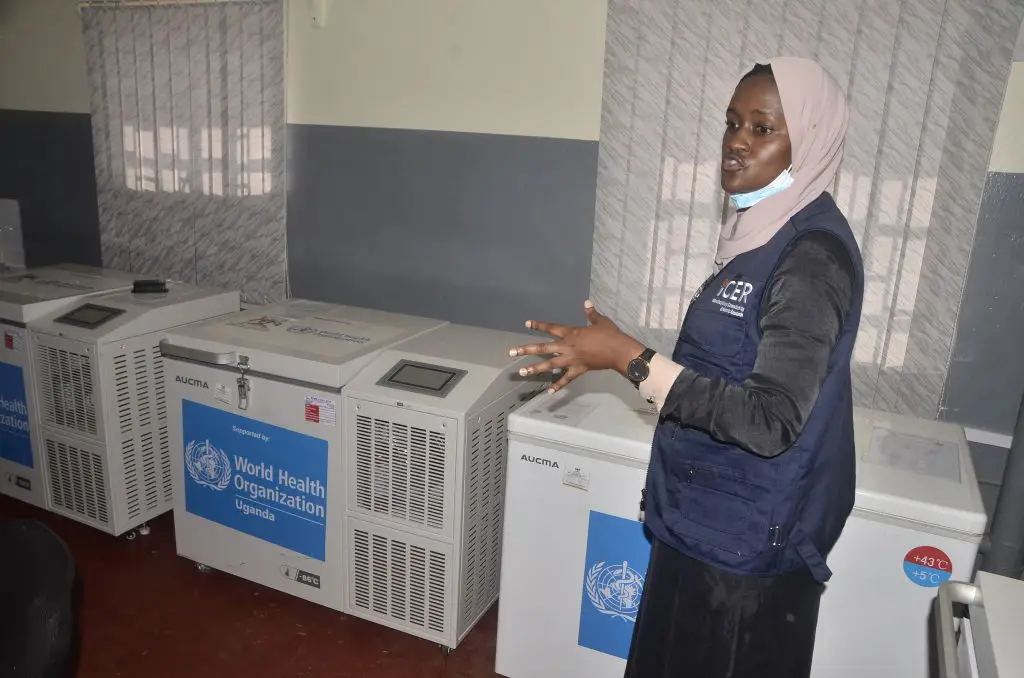
What is the Bundibugyo Ebola strain?
"The Bundibugyo strain has no vaccine, no specific treatment," DR Congo health minister Samuel-Roger Kamba warned at a press briefing in Kinshasa on Saturday.
"This strain has a very high lethality rate which can reach 50 percent."
The outbreak is centers in Congo's eastern Ituri province and marks the country's 17th Ebola outbreak since 1976. The disease has a brutal track record in the region, one of the worst outbreaks on record killed more than 11,000 people between 2014 and 2016, a figure that shows how catastrophic things can get if the virus isn't contained quickly.
The CDC has issued travel advisories urging Americans in both Congo and Uganda to practice 'enhanced precautions' and avoid contact with anyone displaying symptoms. Anybody planning to travel to either country in the near future is being advised to check the latest guidance before they go.
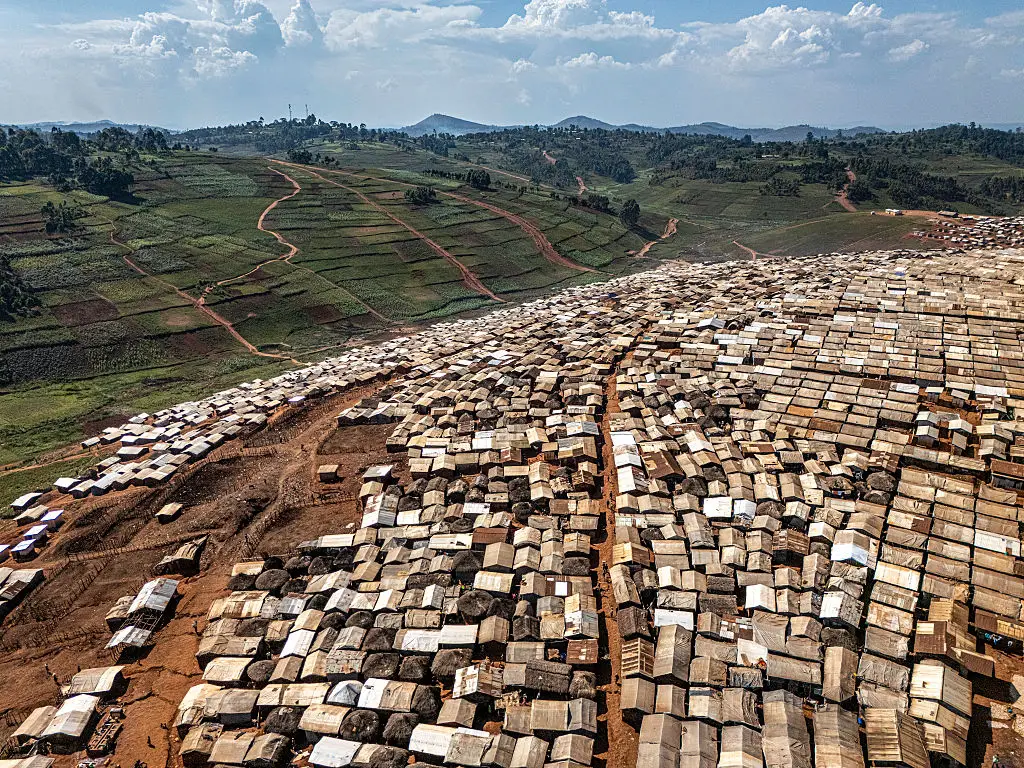
Is Ituri province safe?
The Ituri province is a 'gold-rich' region bordering Uganda and South Sudan, which has been locked in cycles of brutal armed conflict for decades. For more than 30 years, the mineral rich Eastern DRC has been a battle ground for various groups vying for control of its many mines, with two ethnic groups, the Hema and the Lendu locked in a long running violent conflict for the province.
Previously aid workers have been killed, hospitals attacked, and over 7.8 million people are internally displaced in the region.
 Thomas Bamford