
Scientists reveal significant impact GLP-1 jabs can have on other medications

According to health experts, weight loss medications could be interfering with more than your ability to shed fat – as its impact on other drugs have been revealed.
Scientists are bridging the gap between drugs like Wegovy and Mounjaro, and prohibiting certain medications from being able to work as they should.
This, they say, could be down to the way the drugs work to induce a reduced appetite in users.
According to RAND, nearly 12 per cent of US citizens have used a GLP-1 drug, and if they were also taking these other medications at the same time, they might have noticed some odd reactions.
Advert
GLP-1s work in the body to slow down digestion, leaving the person feeling fuller for longer as they aren’t clearing the food as fast.
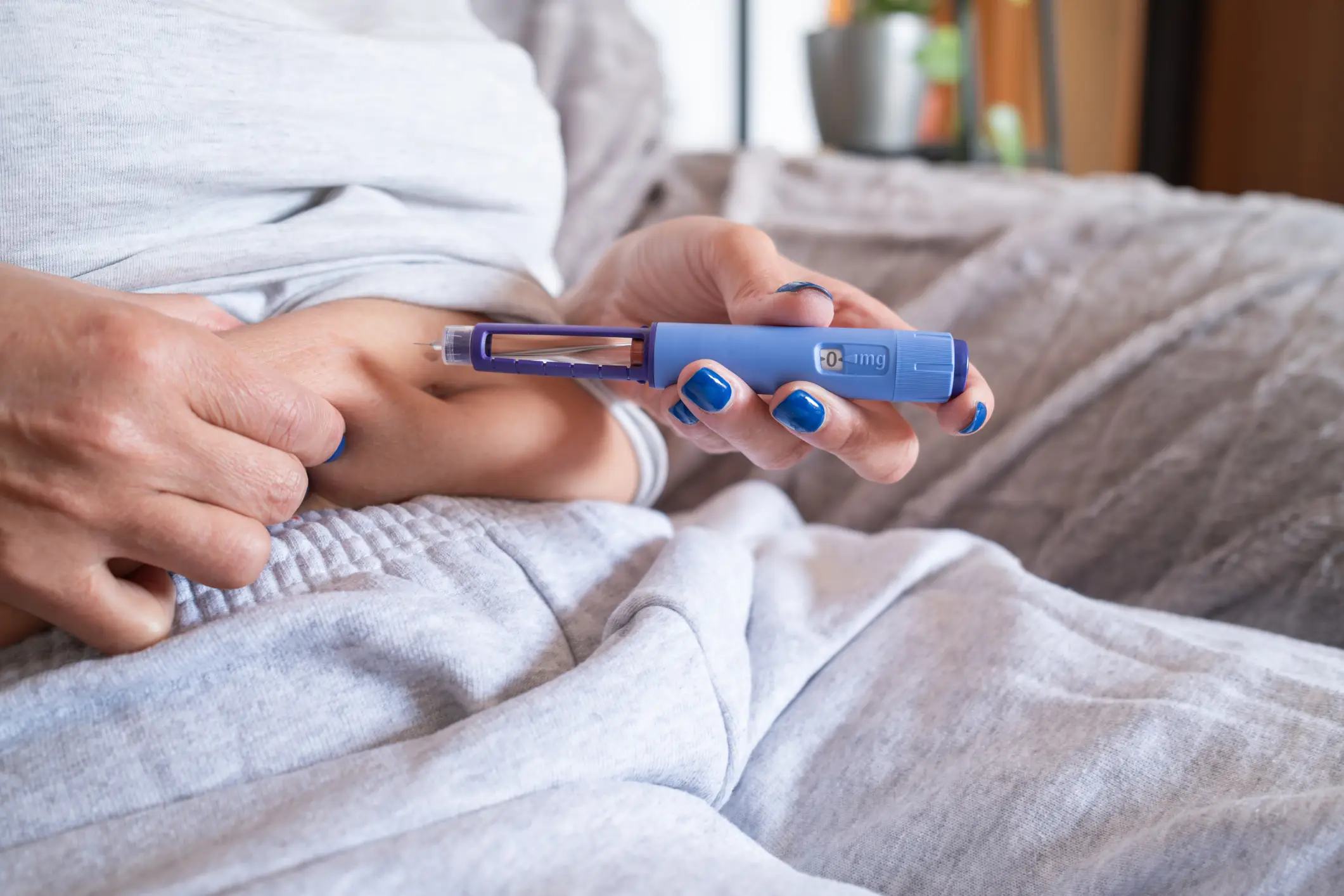
But it doesn’t just hold food in the stomach – medications can be stuck in there too, getting caught up in the system.
The problem then occurs if the tablet needs to be taken at a specific time, so it provides the desired effect.
Like a contraceptive pill, or medication for Parkinson’s, which need to be absorbed quickly.
Then, there’s the issue of whether GLP-1s impact effective absorption, not just the time it takes to process the drugs.
According to Westongrove Partnership: “Because oral medications need to reach your intestines to be properly absorbed into your bloodstream, this delay means that pills can take longer to be absorbed. In some cases, the full dose may not be absorbed effectively at all.”
In the UK, The Guardian reported that a UK watchdog has had 40 reports relating to pregnancies in people using the drugs, as it allegedly made the contraceptive pill less effective because of it needing to be taken at certain times a day – and absorbed at that time too.
Then, there’s hormone replacement therapy (HRT) which is commonly used by women of a menopausal age to aid in losing estrogen in later life.

The Partnership explained: “If you take HRT in tablet form, the delayed absorption caused by weight loss injections can lead to fluctuating hormone levels. This means you might experience a sudden return of menopause symptoms, such as hot flushes, mood changes, or poor sleep.”
There could also be a problem with Parkinson’s medication, with Mass General IRI reporting that two patient cases found GLP-1 medication interfered with ‘oral levodopa’ drugs.
Notably, it made the drug less effective due to slowed absorption.
To this, Movement Disorders published a warning, noting: “With the dramatic increase in GLP-1RA consumption and a projected expansion of its use across populations and indications in the near future, the impact of GLP-1RA on oral PD medications should be studied.”
UNILAD reached out to the representatives of Eli Lilly and Novo Nordisk for comment.
 Britt Jones