unilad homepage
unilad homepage
  • News
    • UK News
    • US News
    • World News
    • Crime
    • Health
    • Money
    • Sport
    • Travel
  • Music
  • Technology
  • Film and TV
    • News
    • DC Comics
    • Disney
    • Marvel
    • Netflix
  • Celebrity
  • Politics
  • Advertise
  • Terms
  • Privacy & Cookies
  • LADbible Group
  • LADbible
  • SPORTbible
  • GAMINGbible
  • Tyla
  • UNILAD Tech
  • FOODbible
  • License Our Content
  • About Us & Contact
  • Jobs
  • Latest
  • Archive
  • Topics A-Z
  • Authors
Facebook
Instagram
X
Threads
TikTok
YouTube
Submit Your Content
Scientists discover worrying link between hantavirus and sperm that can increase risk
Home>News>Health
Published 15:28 15 May 2026 GMT+1

Scientists discover worrying link between hantavirus and sperm that can increase risk

Tests have been conducted on a man who contracted the Andes strain of hantavirus six years ago

Niamh Shackleton

Niamh Shackleton

google discoverFollow us on Google Discover
Featured Image Credit: Vincenzo Izzo/LightRocket via Getty Images

Topics: News, Health, Science

Niamh Shackleton
Niamh Shackleton

Niamh Shackleton is an experienced journalist for UNILAD, specialising in topics including mental health and showbiz, as well as anything Henry Cavill and cat related. She has previously worked for OK! Magazine, Caters and Kennedy.

X

@niamhshackleton

Advert

Advert

Advert

It turns out that hantavirus can affect more than just your lungs; it can impact your sperm health as well.

Hantavirus has been making headlines of late after there was an outbreak of it on a Dutch cruise ship carrying around 150 people from all parts of the world.

Sadly three people have died from the disease while several others have been sickened by it.

But hantavirus dates back much further than the recent outbreak onboard the MV Hondius.

Advert

The Andes strain of hantavirus, which naturally originates in wild rodents, is known to be transmitted from person-to-person.

It's rare that humans contract it, but certainly not unheard of. Gene Hackman's wife Betsy Arakawa, for example, died of the virus last year at the age of 65.

Gene Hackman's wife Betsy Arakawa died from hantavirus (Richard Corkery/NY Daily News Archive via Getty Images)

One man who developed hantavirus several years ago took part in a study that looked into how the virus impacts semen.

The 55-year-old study subject had contracted hantavirus in South America six years prior to the research being carried out.

The results, published in 2023, discovered that hantavirus was present in his semen all those years later.

There was no sign off the virus in man’s blood, urine and respiratory tract, however.

Because there were still traces of hantavirus in his semen six years later, scientists warned that the illness could be sexually transmitted.

There was a hantavirus outbreak on the MV Hondius this month (Chris McGrath/Getty Images)

The worrying discovery was made by Swiss scientists at the Spiez Laboratory.

It’s worth noting that sexual transmission of hantavirus through traces of the disease remaining in sperm has never been documented.

While there have been no reports of the Andes strain of hantavirus being sexually transmitted, it's possible that those who have recently tested positive for it will been advised to use protection during sex such as condoms to minimize the risk of the virus being transmitted via sperm.
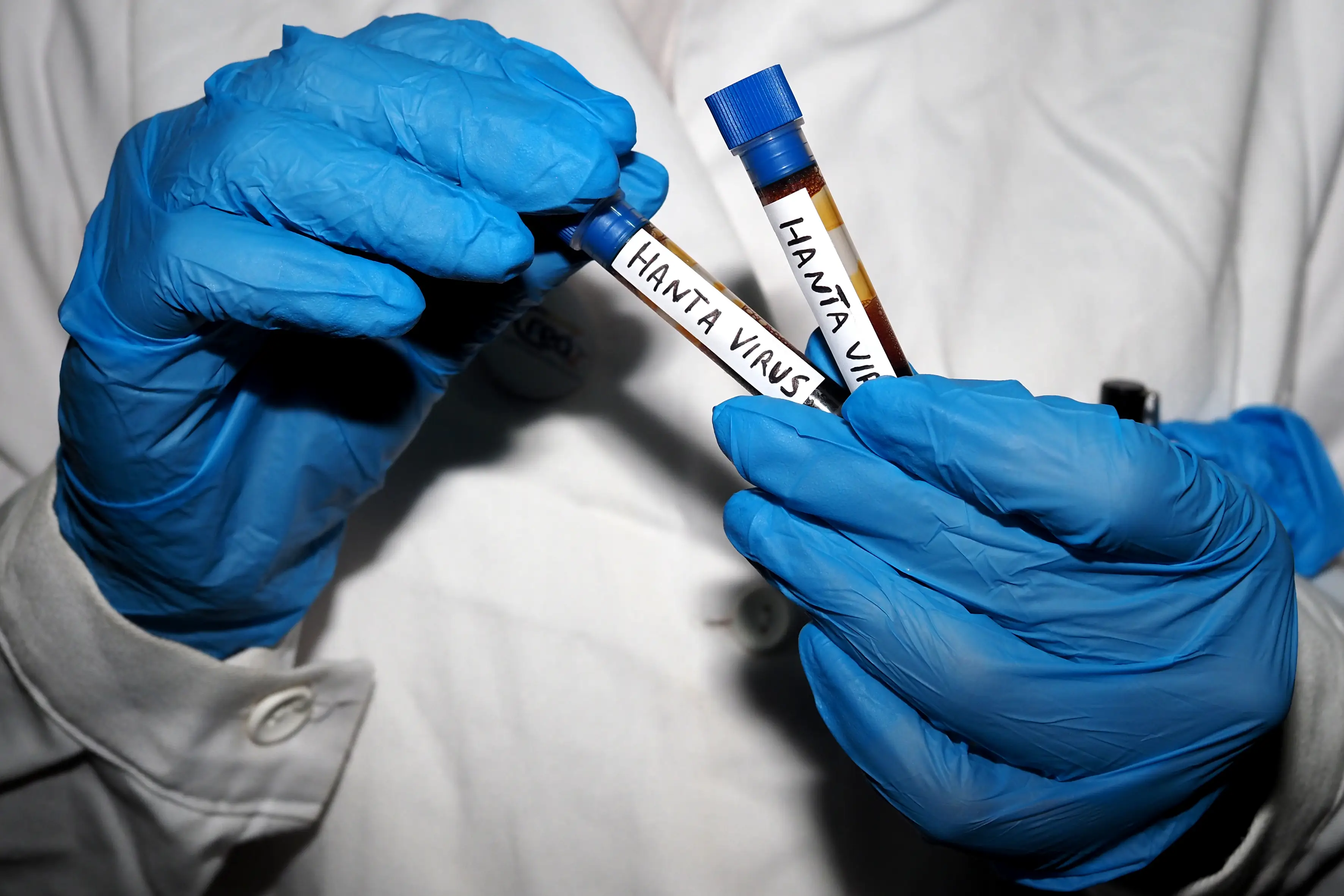
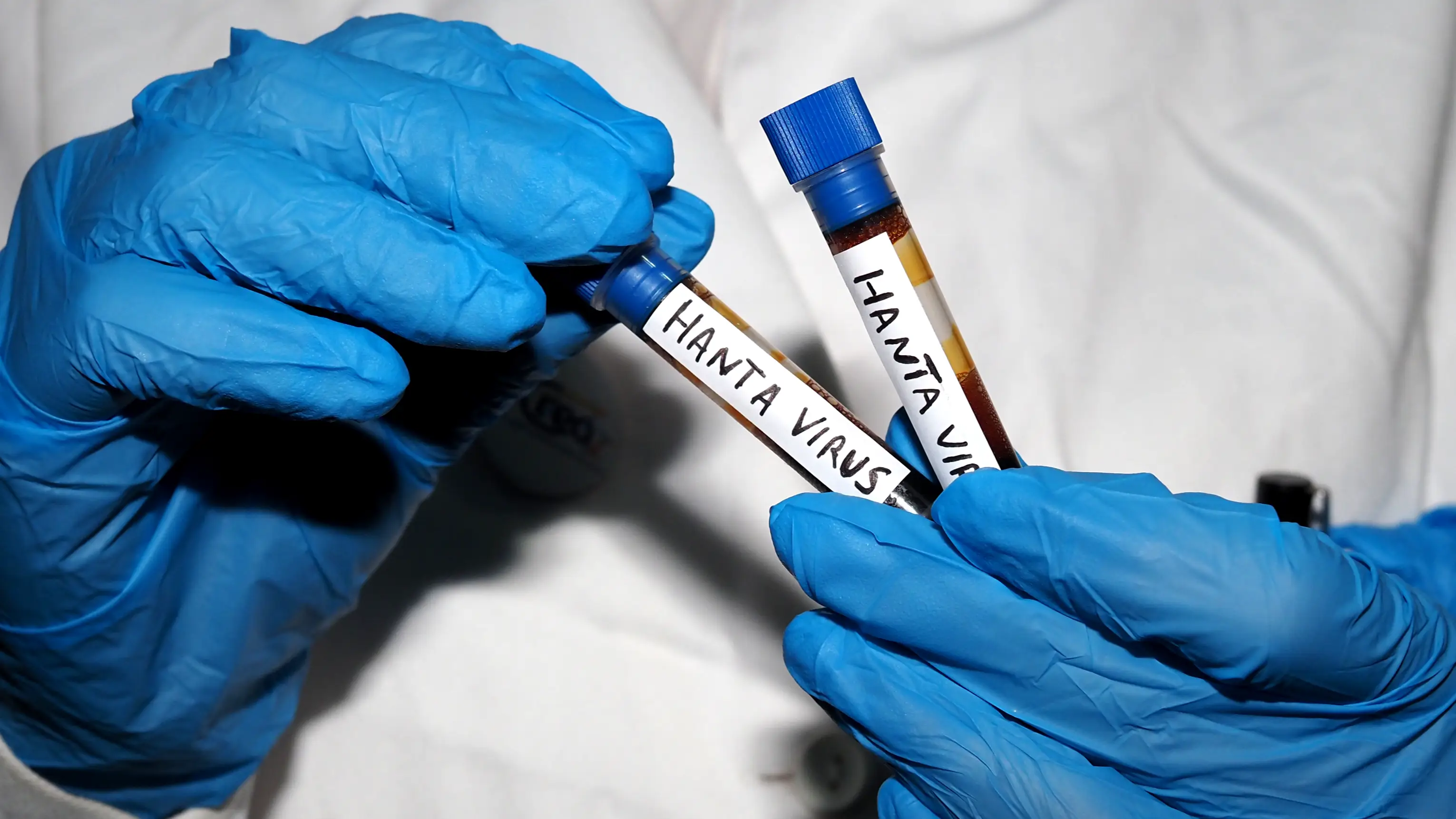
Hantavirus has been found to remain in men's semen for up to 6 years (Vincenzo Izzo/LightRocket via Getty Images)

The symptoms of the Andes strain of hantavirus and how it spreads

The Andes strain of hantavirus is very rare. Microbiologist Dr Gustavo Palacios told CNN there have only ever been 3,000 known cases.

It is the only documented form of hantavirus with human-to-human transmission. One study showed that window for patients to be infectious was about a day, when they develop a fever. But they also found it was transmissible through only brief proximity to an infected person.

Andes virus (ANDV) is primarily found in South America and has a high fatality rate, between 20 and 40 percent. It can cause hantavirus pulmonary syndrome (HPS), which attacks the lungs. Symptoms start one to eight weeks after infection and the first signs can include:

  • Fatigue
  • Fever
  • Muscles aches
  • Headaches
  • Dizziness
  • Chills
  • Nausea and vomiting
  • Diarrhoea

Later symptoms include:

  • Coughing
  • Shortness of breath

Choose your content:

an hour ago
  • WALA
    an hour ago

    Two women banned from Carnival cruises after getting into slapping fight over line dispute

    The dispute began after the pair were standing in a queue to settle their Carnival accounts

    News
  • @‌giorgia_sommacal/Instagram
    an hour ago

    Experts suggest two factors may have led to death of five tourists at Maldives

    Monica Montefalcone, Giorgia Sommacal, Muriel Oddenino, Gianluca Benedetti of Padua, and Federico Gualtieri were identified as the divers

    News
  • Facebook/Shanann Watts
    an hour ago

    Never-before-seen texts Chris Watts' pregnant wife sent before he murdered her and their two kids revealed

    Shannann Watts was killed by her husband in August 2018

    News
  • Supplied
    an hour ago

    Man who buys lost airport luggage finds $1,800 item someone left behind

    The content creator decided to keep the clothing item for himself

    News
  • Scientists discover unexpected link between eating chips and dementia increasing your risk
  • Scientists discover shocking new risk factor for dementia and it can begin decades before symptoms first appear
  • Scientists find a link between what time you eat breakfast and an early death
  • Scientists discover exactly how many cups of coffee each day can help reduce dementia risk