
Experts suggest two factors may have led to death of five tourists at Maldives

Five Italian tourists who died in a tragic scuba accident in the Maldives may have been subjected to two things that potentially led to their deaths.
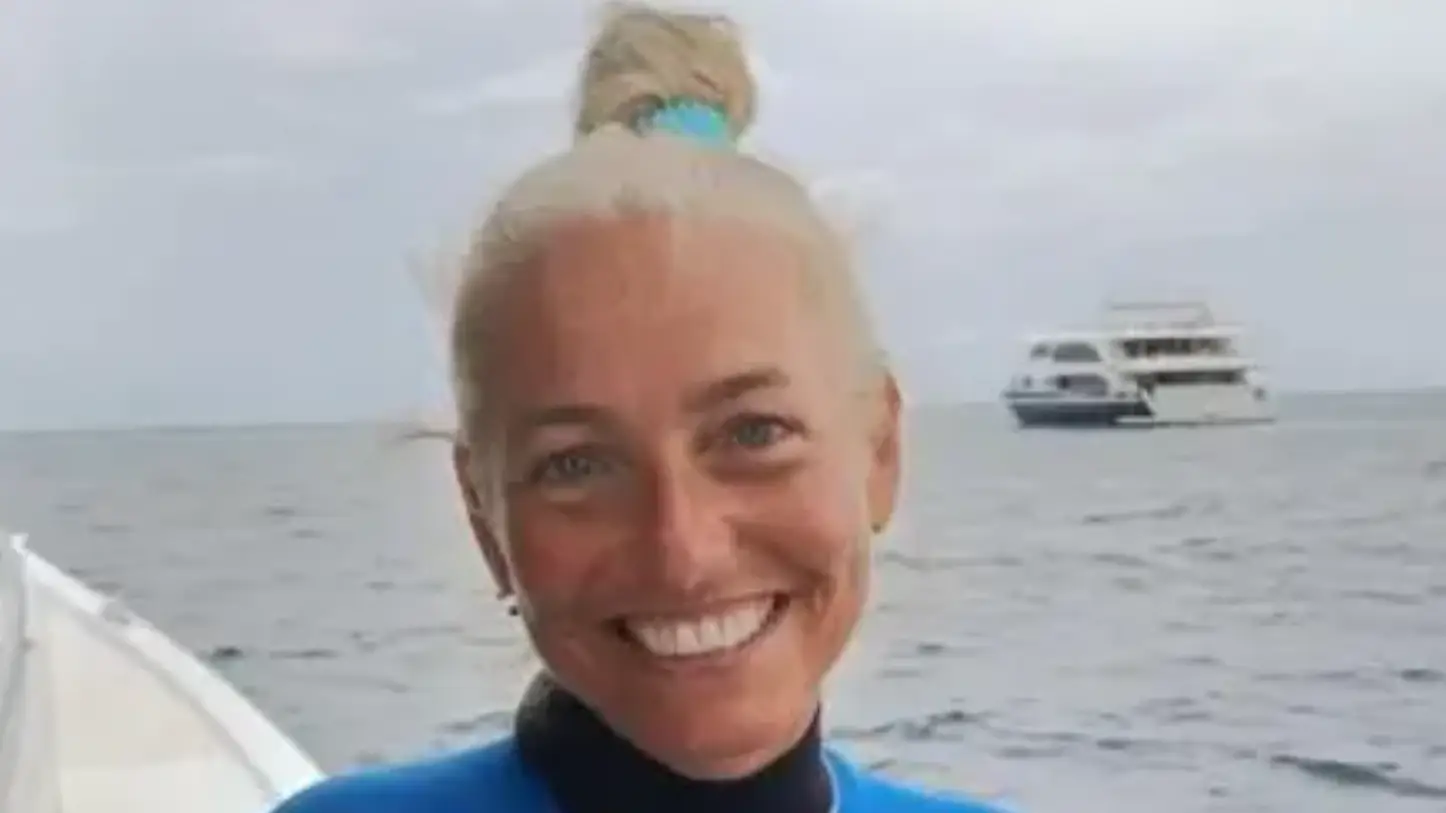
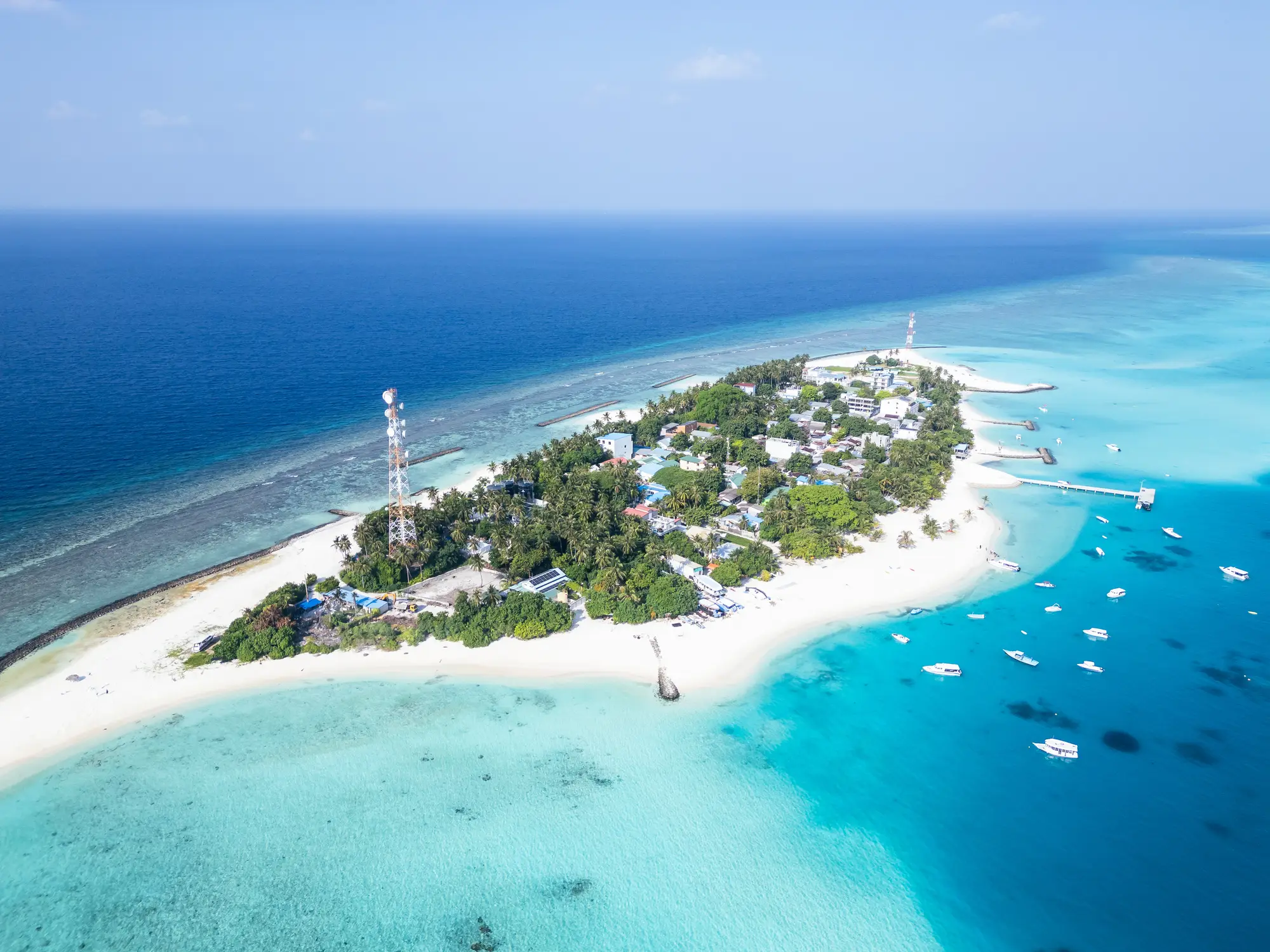
Monica Montefalcone, a professor at the University of Genoa, Giorgia Sommacal, her 20-year-old daughter, Muriel Oddenino, from Turin, Gianluca Benedetti of Padua, and Federico Gualtieri from Borgomanero, have all been named as the tourists who vanished in the waters of Vaavu Atoll yesterday (May 14).
The Maldives' military shared a body had been found 60m underwater in a cave, as well as four others as they allegedly attempted to explore at depths of 50m.
The weather at the time was reported to have been choppy with 30-mile winds, but it’s unknown if this played a part in their deaths.
Advert
Ultimately, when the five passengers failed to resurface, the boat carrying them sounded the alarm and the Italian tourists were reported missing.
As investigators are underway to find out exactly how the five passed away and what went wrong, experts have suggested two fatal possibilities: oxygen toxicity and fear.
Oxygen toxicity is what University Hospital of Verona’s pulmonologist, Claudio Micheletto, told Adnkronos, could be the culprit.
They said of the divers ‘it’s likely that something went wrong with the tanks,’ as all five divers passed away on the same excursion.
“Death from oxygen toxicity, or hyperoxia, is one of the most dramatic deaths that can occur during a dive – a horrible end,” Micheletto speculated.
Oxygen toxicity occurs around one in every 158,000 closed-circuit rebreather dives, or up to 3.5 per cent of those excursions for special operations, per the National Library of Medicine.
Categorized as the exposure to elevated oxygen, depending on how long the person was exposed to a high concentration of oxygen in their nitrogen/oxygen mix, they can experience things like ‘pleuritic chest pain, substernal heaviness, coughing, and dyspnea’ as well as ‘tinnitus, dysphoria, nausea, and generalized convulsions’ and death.
According to diving company, PADI, scuba divers generally breathe an air composition in their tanks, which is composed of 21 per cent oxygen and 79 per cent nitrogen for recreational divers swimming up to 60m.
This is because the mix is calculated to balance the pressure of internal gases reacting to being underwater.
However, if the percentage isn’t balanced well, it could turn into nitrox, which features a higher concentration of oxygen, which can become toxic at a cellular level under water.
“When you breathe in too high a concentration of oxygen, the gas becomes toxic to the body,” he said.
“During the dive, dizziness, pain, altered consciousness and disorientation occur, making it impossible to surface.”
However, that’s not the only risk when diving as Alfonso Bolognini, the president of the Italian Society of Underwater and Hyperbaric Medicine, per The Post, that panicking can produce a fatal result.
“Inside a cave at a depth of 50 meters, all it takes is a problem for a diver or a panic attack for a diver,” he said.
“The agitation will cause the water to become cloudy and can impair visibility.”
He then lamented: “It’s not easy to say now what exactly may have happened at the bottom of the sea.”
UNILAD reached out to the President's Office and Maldives police for comment.
Topics: World News
 Britt Jones