
WHO declare global health emergency over new Ebola strain that has no cure and high fatality rate

A new Ebola outbreak with no vaccine, no specific treatment and a fatality rate of up to 50% has been declared a global health emergency, and it has already crossed an international border.
The World Health Organization declared the Ebola outbreak a Public Health Emergency of International Concern on Saturday, its highest level of alert, as the death toll climbed to 80 with 246 suspected cases reported across at least three health zones in DR Congo's Ituri province.
The strain at the centre of the Ebola outbreak is Bundibugyo, a rare and particularly dangerous variant first identified in 2007.
Unlike the more well known Zaire strain of Ebola, for which vaccines do exist, there is currently no approved vaccine or specific treatment for the Bundibugyo strain.
Advert
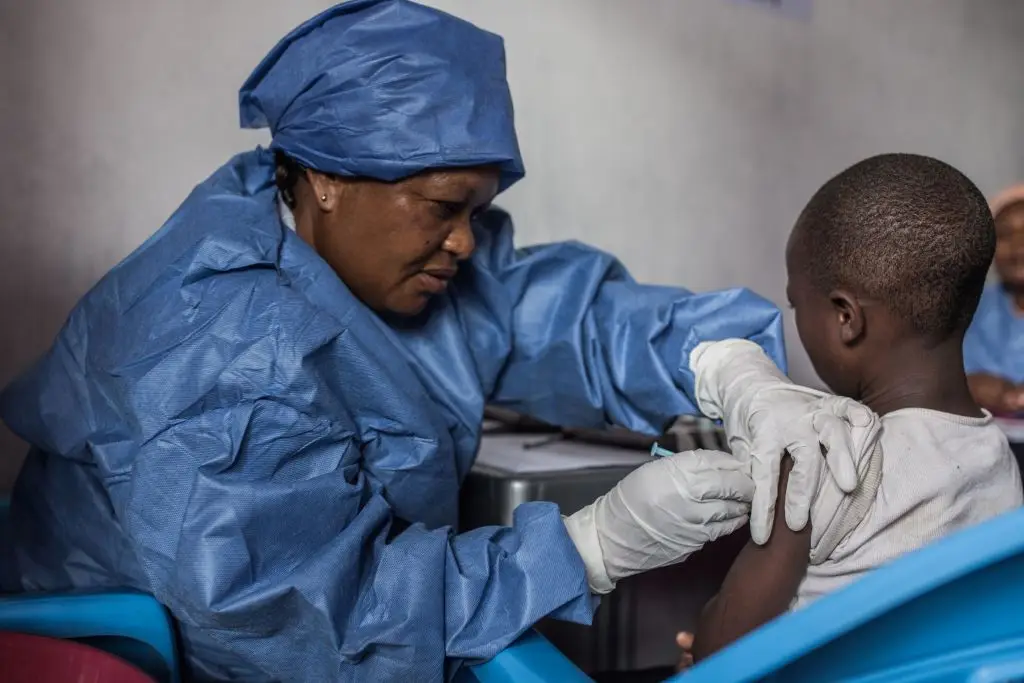
What is the Bundibugyo Ebola strain?
"The Bundibugyo strain has no vaccine, no specific treatment," DR Congo health minister Samuel-Roger Kamba warned at a press briefing in Kinshasa on Saturday.
"This strain has a very high lethality rate which can reach 50 percent."
The Ebola outbreak began in the provincial capital of Bunia on 24 April, when patient Zero, identified as a nurse, arrived at a health facility displaying symptoms consistent with Ebola.
It has since spread rapidly across Ituri province, which borders both Uganda and South Sudan, with suspected cases now reported across multiple health zones.
The Ebola outbreak has already crossed international borders. Two confirmed cases were reported in Uganda's city Kampala on 15 May, both involving individuals who had travelled from DR Congo.
A 59-year-old Congolese man died in a Kampala intensive care unit on Thursday, with tests confirming he was infected with the Bundibugyo strain. A confirmed case has also been reported in Kinshasa, DR Congo's capital, among someone returning from Ituri, raising fears the Ebola outbreak is spreading to the country's major urban centres.

Jay Bhattacharya, acting director of the US Centre for Disease Control and Prevention, said the CDC is "closely monitoring" reports of the Ebola outbreak and was "providing technical assistance" to DR Congo health authorities.
The WHO has expressed concern about the scale of the Ebola outbreak, noting that the true number of infected people is likely far higher than currently reported. Of the initial 13 samples tested, eight came back positive, an unusually high positivity rate that suggests widespread community transmission. At least four healthcare workers have also died, raising fears of hospital-based spread.
Adding to the alarm is the regions extreme vulnerability. Ituri province has been under military rule since 2001, with dozens of armed groups operating in the area.
Poor infrastructure, high population movement across borders and a large network of informal healthcare facilities all significantly increase the risk of further spread of the Ebola outbreak.
The WHO has urged all neighbouring countries to urgently enhance surveillance and has recommended exit screening at all international airports, seaports and major land crossings. It has also said confirmed cases should be immediately isolated, and that contacts should not travel internationally for 21 days after exposure.
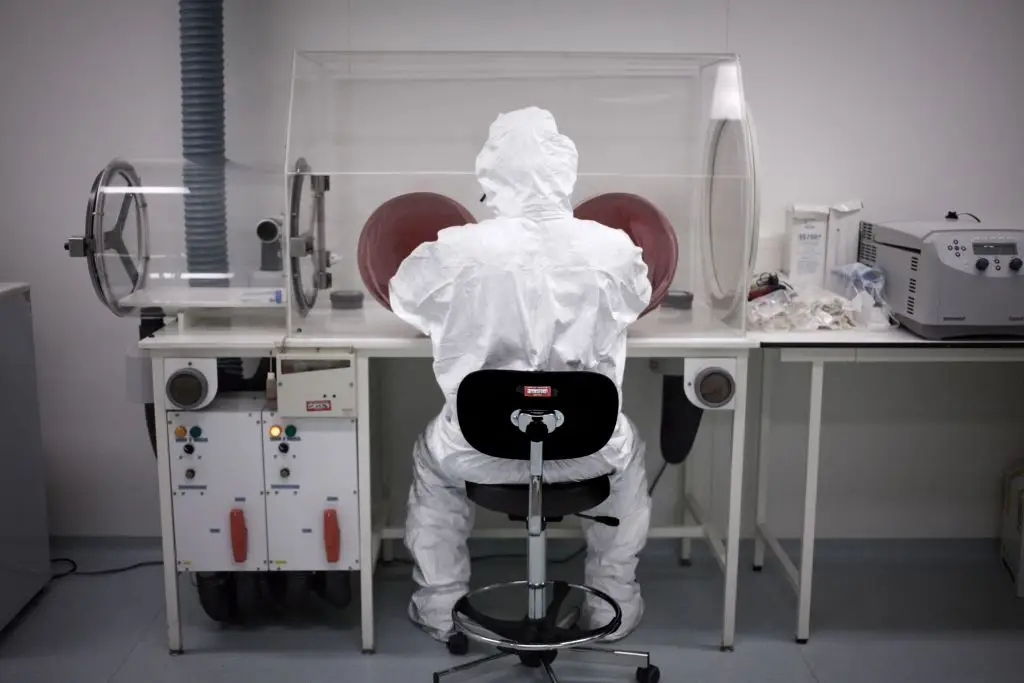
How is Ebola spread?
Ebola is spread through direct contact with the bodily fluids of an infected person, who only become contagious once symptoms appear. The incubation period can last up to 21 days. Symptoms include fever, severe headache, muscle pain, vomiting, diarrhea and in serious cases haemorrhaging and organ failure.
The WHO has already begun airlifting five tonnes of medical equipment including infection prevention gear to Kinshasa, through transporting supplies across DR Congo, a country four times the size of France with poor infrastructure and over 100 million people, remains a logistical challenge.
The Ebola virus has killed approximately 15,000 people across Africa over the past 50 years. DR Congo's deadliest Ebola outbreak, between 2018 and 2020, claimed nearly 2,300 lives.
 Thomas Bamford