WHO responds to Russia 'plague' fears as death toll rises

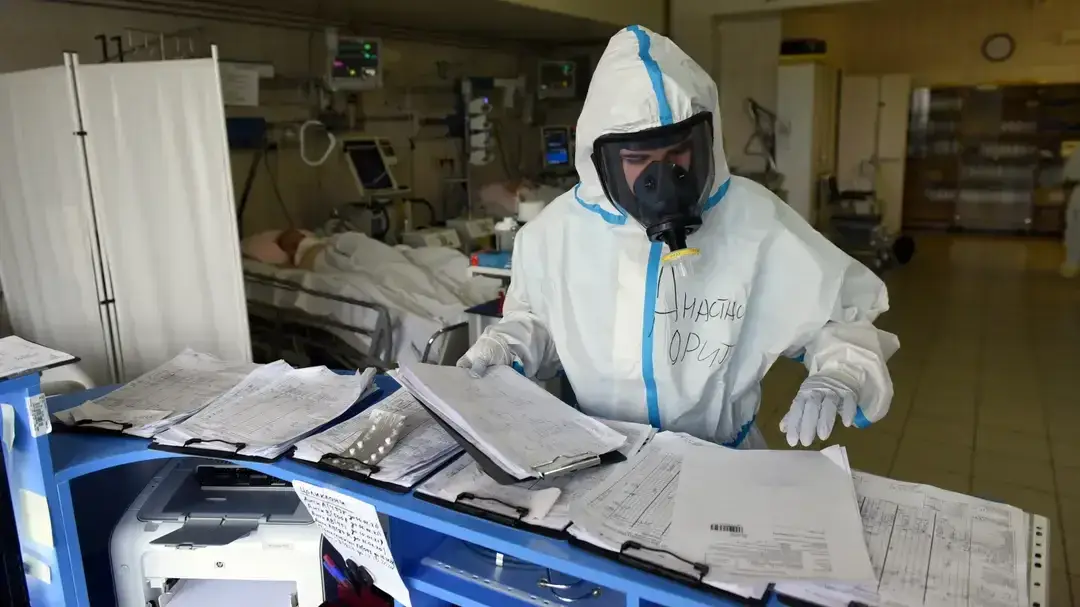
Sixty colleagues of a lab technician who died suddenly have reportedly been locked inside their Siberian research institute since Friday, sleeping on floors and chairs while tests are carried out.
The World Health Organization (WHO) says the risk of an epidemic in Russia remains low after the death of that technician, 28-year-old Darya Shipilova, who worked at the Irkutsk Anti-Plague Research Institute of Siberia and the Far East.
Shipilova died last week, two days after falling ill.
RadioFreeEurope have suggested she may have become infected following an accident at her workplace, where dangerous pathogens are kept and studied.
Advert

Is there a plague outbreak in Russia?
The institute is in Irkutsk, a city in Siberia, where strict quarantine measures have now been imposed at the research center and in several neighboring hospitals to avoid the spread of the infectious disease.
Speaking on Tuesday, WHO spokesperson Christian Lindmeier said there was no signs of a wider outbreak.
“All of the patients’ contacts have reportedly been identified and are being monitored for illness, and none to date have shown symptoms of illness,” he said.
He said that the WHO had been in contact with Russian health authorities to 'verify the event, its circumstances, the laboratory tests underway, and their results, the rationale for contact-tracing and the health status of contacts, as well as any potential international public health implication.'
Officials in Russia are still looking into whether viral pneumonic plague was behind Shipilova’s death.
Lindmeier said the WHO has assessed the health risk as ‘moderate to low’ for Irkutsk, ‘low’ across the rest of the country and ‘very low’ for Europe.
The WHO sees the greatest risk around Irkutsk, with the danger falling for the rest of Russia and falling further for Europe.
Quarantine restrictions have been imposed in five hosptials where relatives are forbidden from visiting patients.

What caused Darya Shipilova’s death?
The Kremlin has also weighed in. Spokesperson Dmitry Peskov told people on Tuesday not to listen to rumors and to rely instead on statements from Rospotrebnadzor, Russia’s health watchdog.
The agency said the situation in Irkutsk was stable, with no new infectious disease cases reported among institute employees.
As for the cause of death, authorities in Russia, who have downplayed the incident, say Shipilova died of ‘pneumonia of an unknown aetiology’.
The US government have said they are watching things closely in Russia.
On Tuesday, Secretary of State Marco Rubio called on Moscow to release further details about the case.
“I think it’s incumbent upon Russia to obviously share more information with the world,” he said. “We’re watching it very closely, hour by hour.”

President Donald Trump had earlier said his administration was prepared to offer help. Asked by reporters at the White House what Washington would do about the risk of plague coming from Russia, he said: “I hate to see them having it. We’ll help. Everybody who has that kind of a problem, we’ll always help.”
So far, the picture remains limited. Shipilova fell ill and died two days later, Russian officials are still investigating whether plague played a part, and Russian media have pointed to a possible workplace accident.
The WHO’s reassurance on Tuesday rests on reports that every contact has been identified and that none has shown symptoms.
 Thomas Bamford