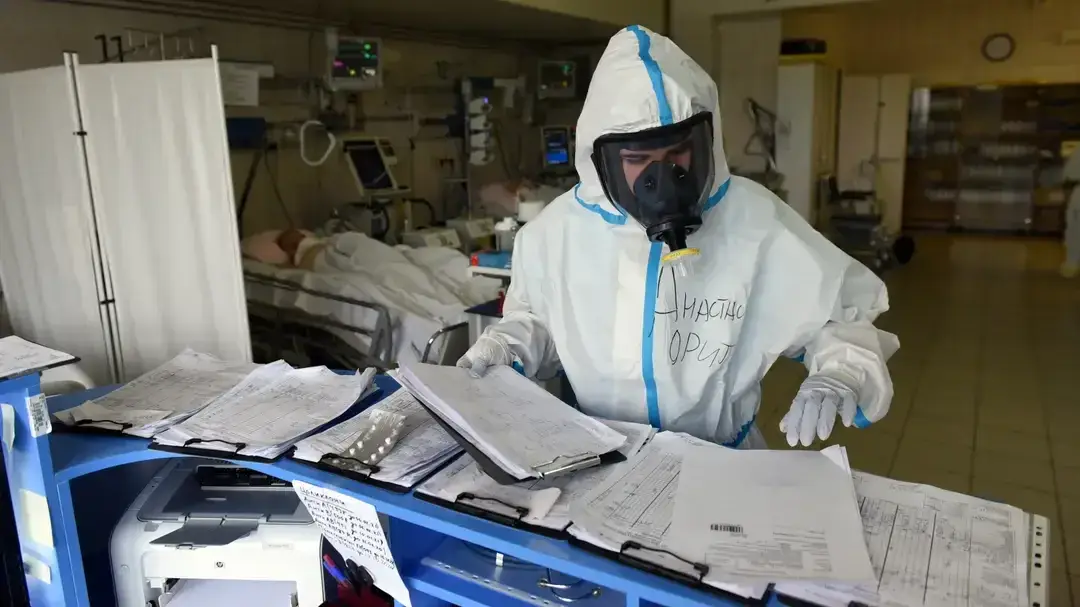
Pneumonic plague explained and how dangerous it can be as Russia outbreak fears grow

As fears surrounding the Pneumonic plague outbreak soar, an infectious disease expert has outlined just how dangerous the infection is - and how likely it is to spread.
President Trump has claimed that the US is watching the case of a Russian researcher who died at a plague research centre in Siberia 'very closely', after nearly 200 people were reportedly placed under observation following the tragedy.
US Secretary of State Marco Rubio said on Tuesday (October 6): "I think it’s incumbent upon Russia to obviously share more information with the world.
"Maybe it’s bigger than we thought. We don’t know, but I think it would be reckless at this moment, given the limited information we still have, to speculate."
Advert
Fears over a potential outbreak have spiralled out of control in recent days, after the World Health Organization reported that they were investigating a second case of the infectious disease.

The latest reports suggest Russia is not fully cooperating with the international health authority, as director general Tedros Adhanom Ghebreyesus said today (October 7): "WHO has requested further information to clarify the cause of the severe pneumonia, the pathogen that prompted the public health measures, and media reports of a second employee with pneumonia of undetermined cause."
And speaking with UNILAD, Dr. Johnny Lieberman, an infectious diseases physician, has detailed just how 'dangerous' the infection actually is - and how easily it spreads.
What is the Pneumonic plague?
The expert notes that the term 'plague' refers to 'infection by a bacteria', known scientifically as Yersinia pestis.
And he suggests that it causes 'different illnesses' depending on how and why a person gets infected.

"Y. pestis is a zoonosis," Dr. Lieberman explained, "A disease in animals that can be transmitted to humans."
And in terms of how dangerous the plague really is, the physician urged that 'if left untreated, it is almost always fatal'.
How easily does it spread?
Dr. Lieberman added: "Pneumonic Plague spreads through respiratory droplets from close contact with an infected human or animal.
"Coughing and sneezing can transmit the infection. Person to person spread of plague is uncommon and has not been reported for over 100 years."
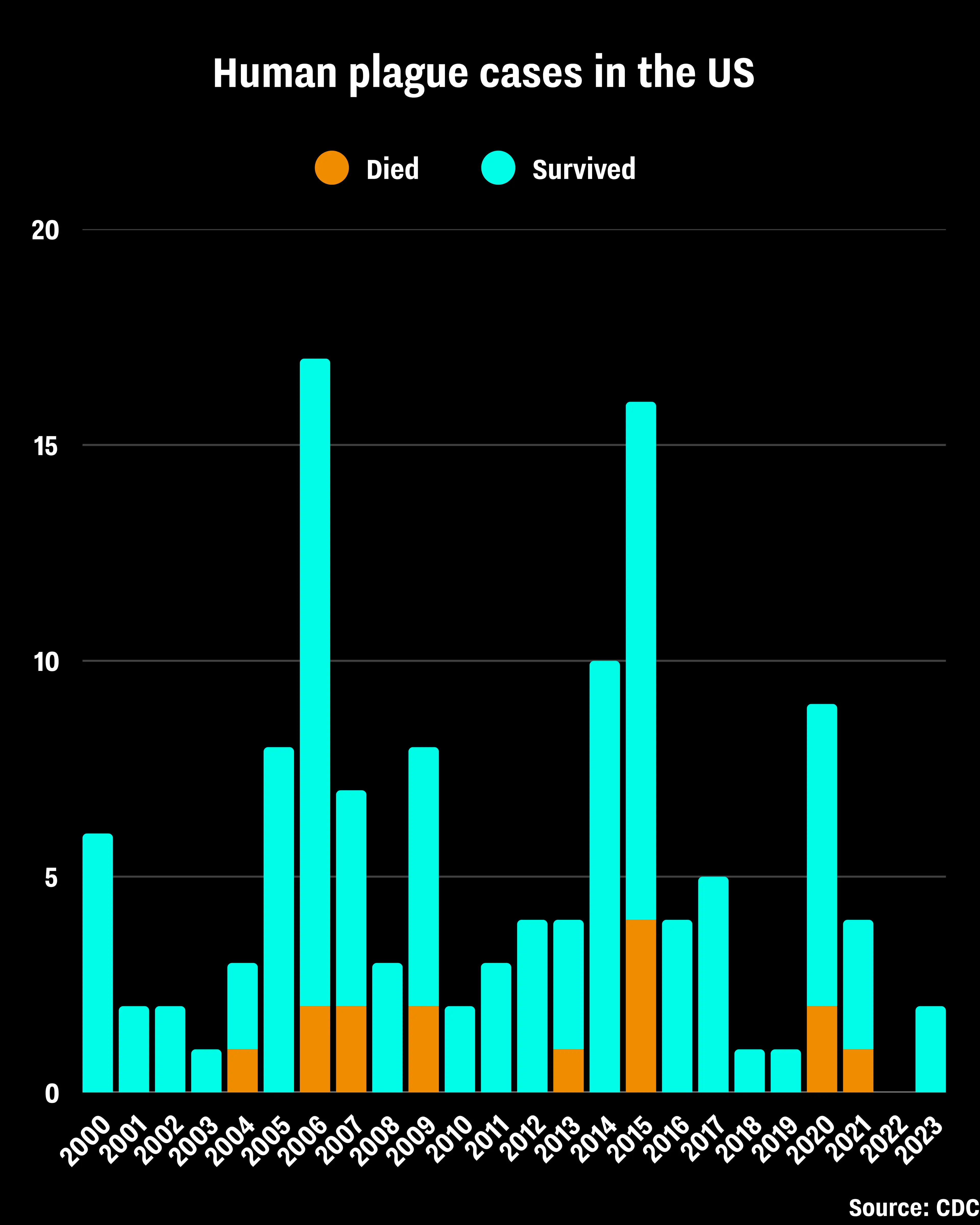
And despite the widespread panic, the expert urged people to relax.
"This is one death linked to a laboratory in Siberia," he said, "No human to human spread has been confirmed. Even in the worst case, this is a disease we can diagnose and treat."
While the plague can be deadly if left untreated, antibiotics are available, and if given early, they can significantly reduce the risk of death.
 Mia Williams