US intelligence chief says frantic AI-driven security patching caused wave of outages across banks, airlines and the NSA

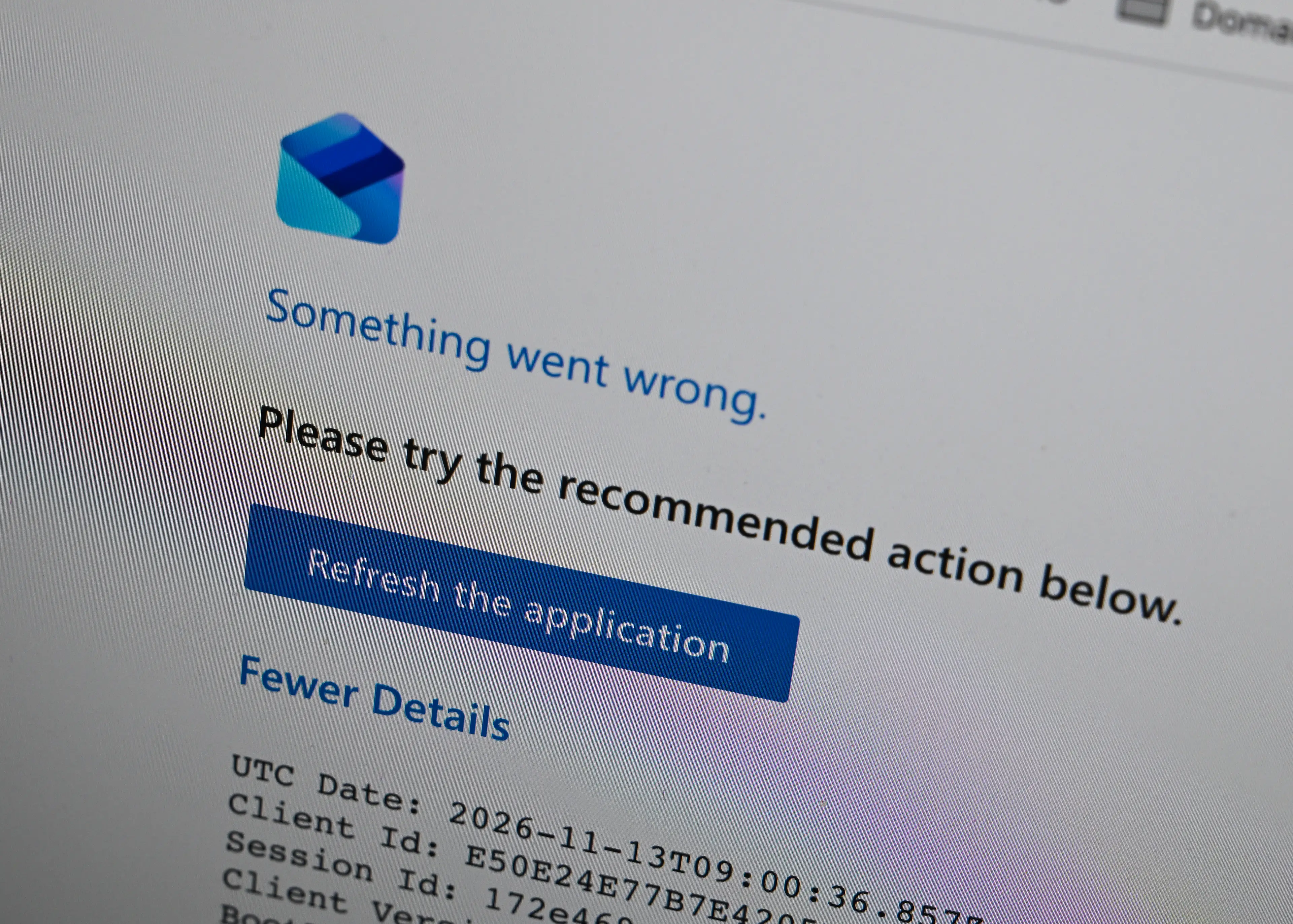
Widespread technology outages that disrupted major U.S. banks, grounded flights, and knocked a classified National Security Agency network offline this week were triggered by a frantic rush to patch security flaws uncovered by powerful artificial intelligence models, federal officials revealed on Wednesday.
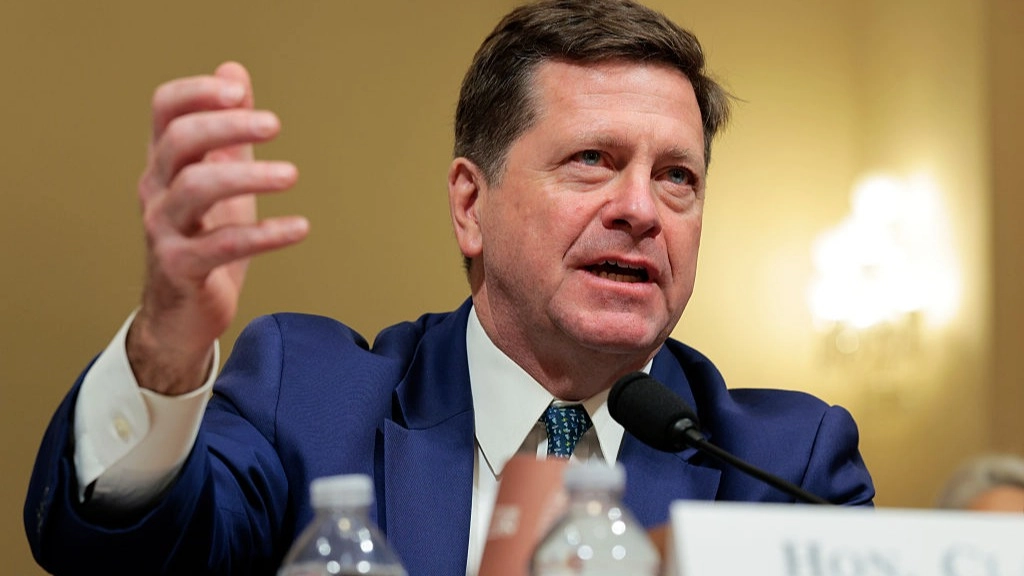
Testifying before a House Homeland Security Committee hearing on November 18, Director of National Intelligence Jay Clayton confirmed that recent high-profile disruptions at Microsoft, JPMorgan Chase, United Airlines, Apple Pay, and the NSA stemmed from "maintenance and technical changes" rather than malicious hackers.
“Based on what we know today, after a great deal of digital diligence, these are separate service outages associated with maintenance and technical changes. They are not a coordinated or state-sponsored attacks,” Clayton told lawmakers. “The intelligence community continues to monitor and stay alert to any possibility of malicious cyber activity threatening the US networks and our law enforcement partners.”
The AI Vulnerability ‘Mad Dash’
Behind closed doors, NSA and Wall Street leaders similarly briefed Congress that the breakdowns were caused not by cybercriminals, but by aggressive efforts to stay ahead of them, according to sources familiar with the discussions.
Advert
Major corporations and federal agencies have increasingly deployed frontier AI models to scan their own networks for hidden weaknesses—only to discover far more vulnerabilities than anticipated. Fearing that foreign adversaries could find the exact same flaws just as quickly, organizations rushed to push through massive software updates simultaneously.
“These models are identifying massive vulnerabilities, and that increases the urgency to patch right away,” a congressional official briefed on the matter explained.
“They’re trying to push through a lot of patches all at once — more than the system was designed for.”
The urgency follows an FBI warning last week that China-linked hackers are exploiting an AI-powered testing tool known as the ARTEX framework to probe global banking and finance networks at high speed without requiring advanced hacking expertise.
“Natural language processing, and the more advanced features that have been added on, have just made it faster, cheaper, easier … more accessible to the common person, regardless of where they are in the world,” said Christopher Walcutt, chief information security officer at cybersecurity firm DirectDefense.
Rushing New Tech Onto Aging Infrastructure
The cascade of outages left millions of Americans temporarily locked out of JPMorgan Chase accounts on Monday—which the bank blamed on software bugs—and forced the NSA to take its classified internal network offline on Tuesday for what it termed "scheduled routine maintenance."
Microsoft also suffered a major Outlook disruption attributed to a technical defect, though officials noted it remains unclear whether that failure or Friday's nationwide Federal Aviation Administration ground stop was directly tied to the AI-driven patching sprint.
Homeland Security Secretary Markwayne Mullin pointed to the strain placed on legacy hardware during a CNBC interview on Tuesday, noting: “They’re pushing new technology on top of really old computer systems, and it just seems to overwhelm the system.”
Cybersecurity experts warn that as AI models grow even more capable of automated penetration testing, institutions risk triggering further self-inflicted disruptions by rushing updates onto aging infrastructure.
“We’re rushing some of the deployments of this new technology to the point where we’re bypassing some of those engineering controls,” warned cybersecurity consultant and former Homeland Security cybersecurity director Marty Edwards. “The FAA thing was a perfect example of that, because that was trying to put something new on something old.”
Topics: Artificial Intelligence, US News
 Phoebe Tonks