Vaping can cause ‘irreversible’ internal damage according to new study as doctor calls it a 'wake-up call’

A doctor has highlighted the findings of a recent study which suggests vaping can cause 'irreversible lung damage', despite once being considered a 'healthier alternative'.
While vaping was once widely promoted as a safer alternative to traditional cigarettes, growing research into the long-term effects of vaping is raising fresh concerns about what inhaling the substances could actually be doing to our bodies.
And now, a doctor has shed light onto the findings of a recent study, which adds to mounting questions surrounding the safety of e-cigarettes, particularly among younger people who had never previously smoked before.
Speaking with the New York Post, Dr. Mina Makaryus described the findings as a 'wake-up call'.
Advert
The research, published in the journal Tobacco Control, looked at those who vape aged between 21 and 35, and found some pretty significant changes in their lung function over the course of just 12 months.
Researchers measured something called FEV1, which essentially refers to the amount of air a person can force out of their lungs in a single second.
"I think vapers should take this little pilot study as a wake-up call that vaping may not be as safe as once assumed," the expert warned.
On average, participants saw this figure fall by 100 millilitres. However, for those vaping 30 or more times a day, the drop was even more pronounced, reaching 240 millilitres.
And it's not just a case of your lungs needing a little time to recover. Researchers warned that sustained declines in lung function could increase the risk of developing chronic obstructive pulmonary disease (COPD) - a long-term, incurable condition that can make even everyday breathing a struggle.
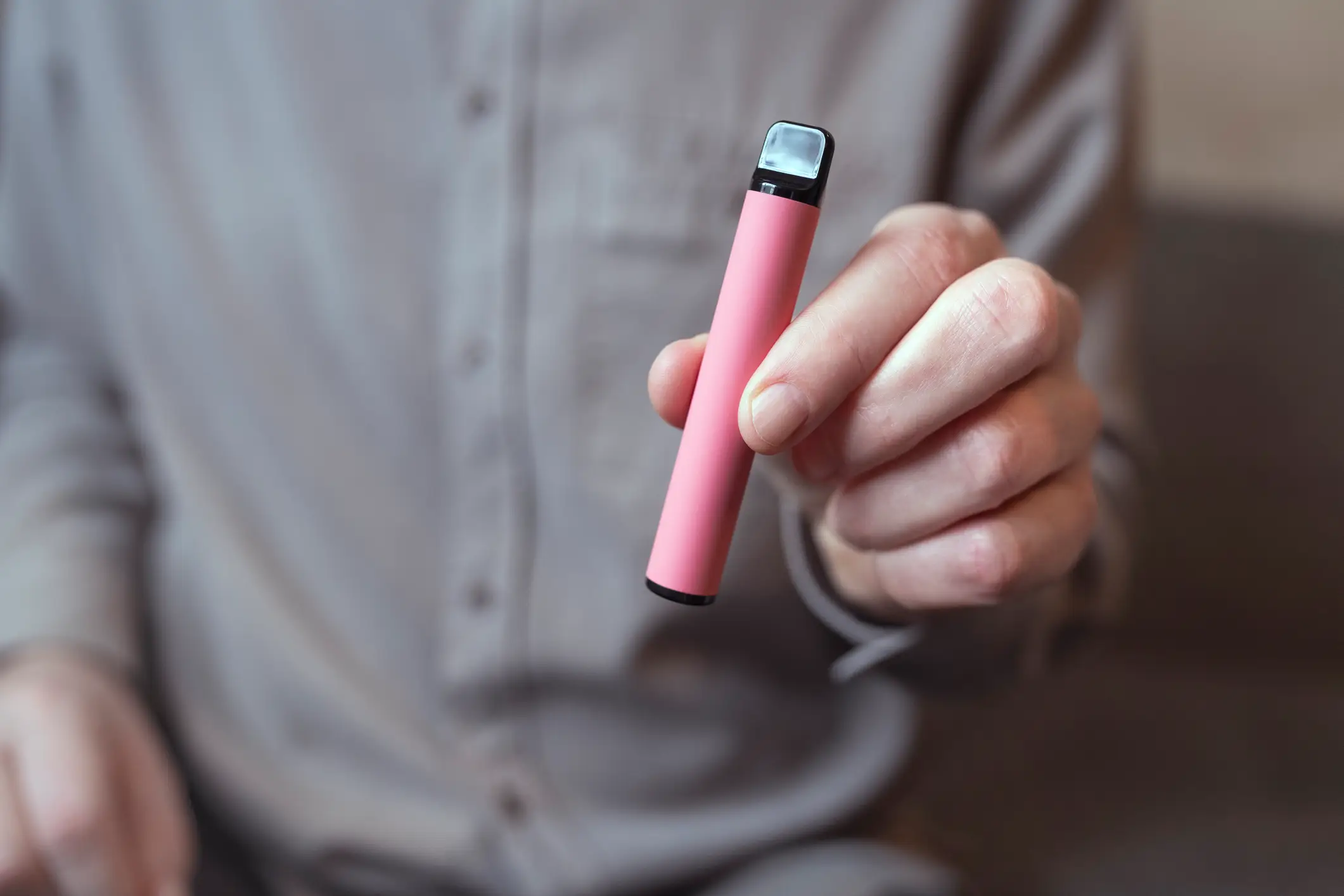
Dr. Makaryus said: "Although it’s over just one year, I think the fact that they saw a statistically significant decline in lung function over that period of time tells me that if you study these patients over a longer period of time, one would expect that the lung function may continue to decline."
The doctor added: "I can tell you anecdotally from personal practice that a significant number of patients who vape have underlying asthma or obstructive lung disease.
"I think the concern that we have when we see studies like this… is that long-term use of these vaping substances that are being inhaled into our lungs and causing damage to our lung function… may result in irreversible lung injuries similar to COPD."
He went onto encourage those who vape to speak with their doctor about the alternatives to nicotine, vaping and smoking, and explore the options available to help manage any addiction.
 Mia Williams