Strict rules against approaching world's most endangered tribe as they make rare contact with outsiders

Brazil forbids outsiders from attempting any kind of contact with isolated indigenous peoples, with the ban coming back into the spotlight following reports of around 20 uncontacted Awá people approached a government outpost in the rainforest on Monday.
The restriction is part of a formal code of conduct published by FUNAI, Brazil's Indigenous affairs agency, for people authorized to enter Indigenous territories.
The rules are imposed on outsiders and are not rules the Awá themselves follow.
Under the code, visitors must not approach, move, disturb, collect or publicize traces of an isolated group's presence, including shelters, tools, food remains and hunting equipment. Anyone permitted to enter must not have an infectious disease such as flu, COVID-19, measles or chickenpox, and must have up to date vaccinations.
Advert
Photographing, recording or filming requires express authorization.
Economic or commercial activities are prohibited inside territories inhabited by isolated groups, and access to restricted territories requires FUNAI permission.
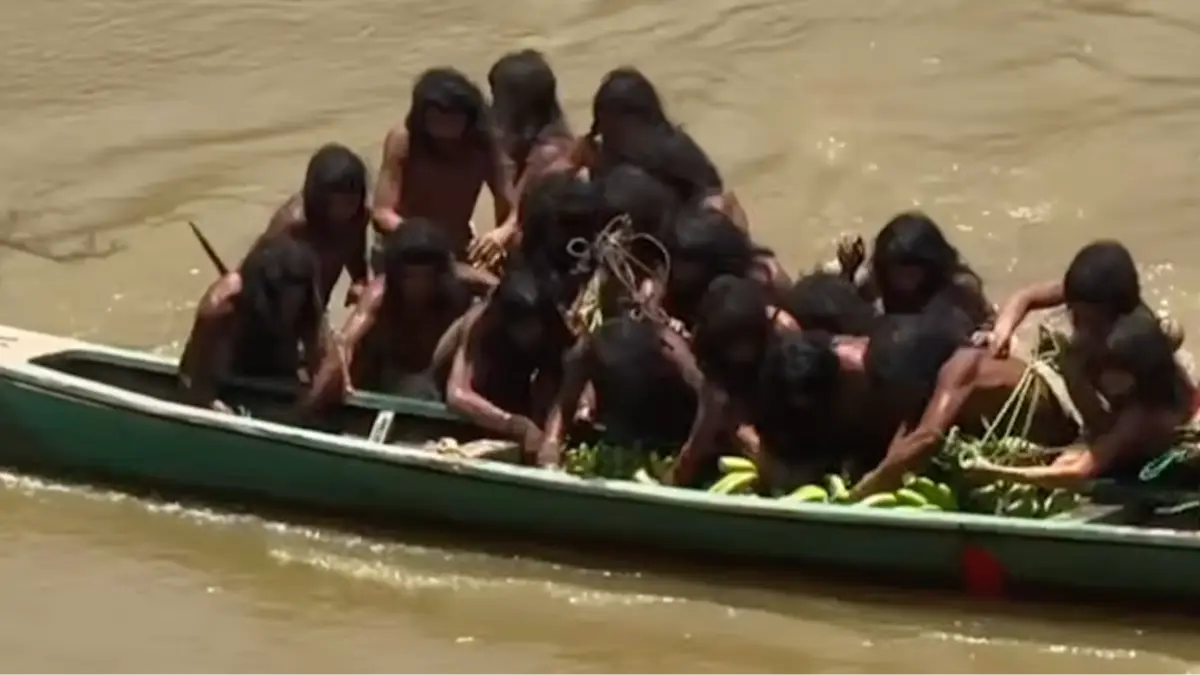
The Awá had come looking for yams, according to human rights group Survival International. The group said they approached the outpost in the village of Tawari, in the northeastern state of Maranhão. They accepted the food and went back to their territory. The group described the encounter as 'historic'.
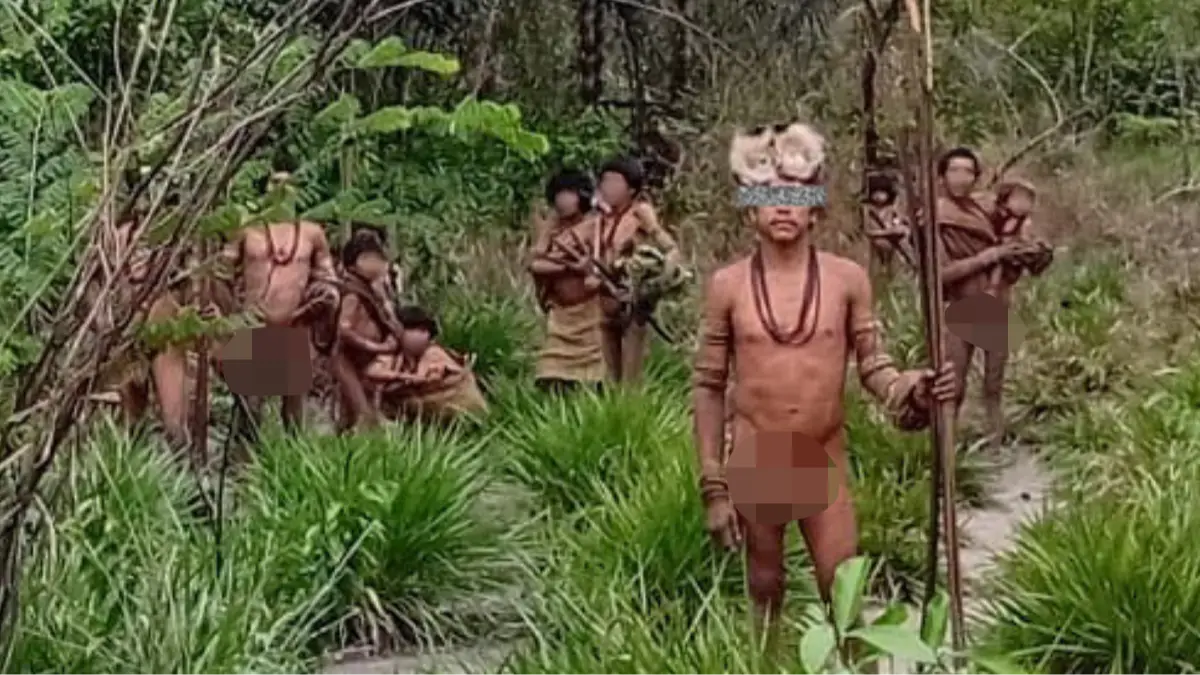
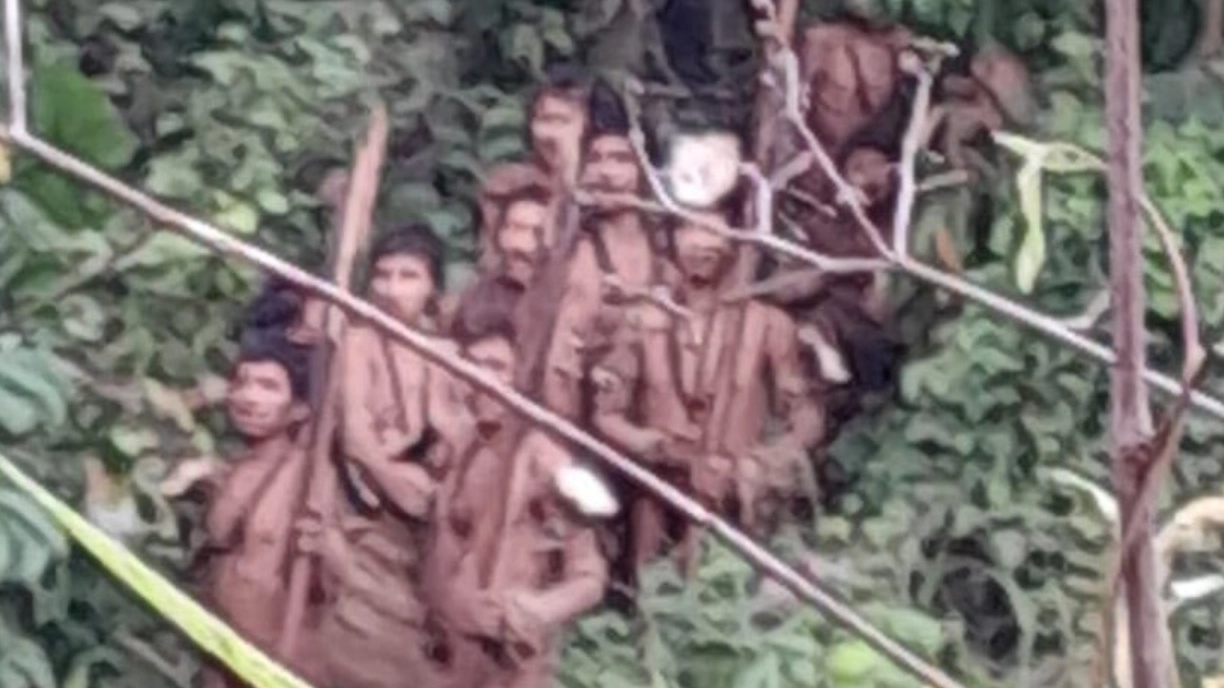
Images shared by the group show members of the tribe holding long wooden spears at the edge of the forest. Neighboring Indigenous Guajajara (Tenetehar) people, who support the government station, filmed the encounter.
Survival International Director Caroline Pearce said: "This is a troubling indication of how the continued invasion of unconnected peoples' forests put otherwise self-sufficient Indigenous people in real danger."
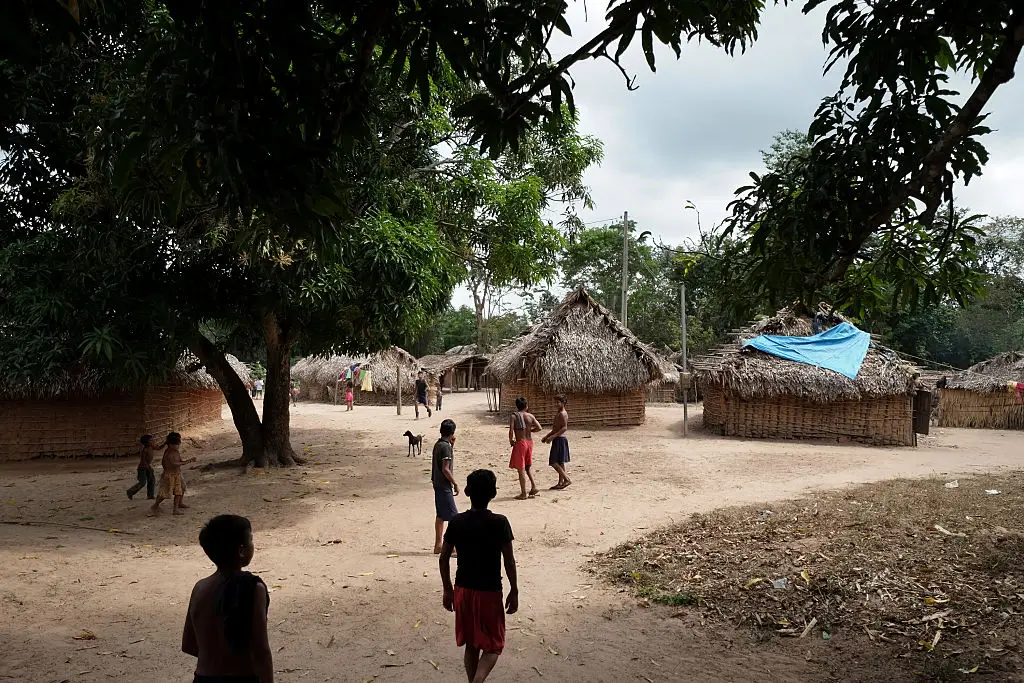
Who are the Awá people?
The Awá are expert hunter-gatherers and remain one of the last uncontacted peoples, having survived as an isolated group without encountering modern civilization. The nomadic group uses bows and arrows to hunt armadillos and gathers wild honey and babassu nuts in the dense forest.
Survival International has campaigned for decades to protect Awá territories. That included an unprecedented campaign from 2012 to 2014 for a neighboring Awá territory, when the Awá were described as ‘Earth's most threatened tribe’.
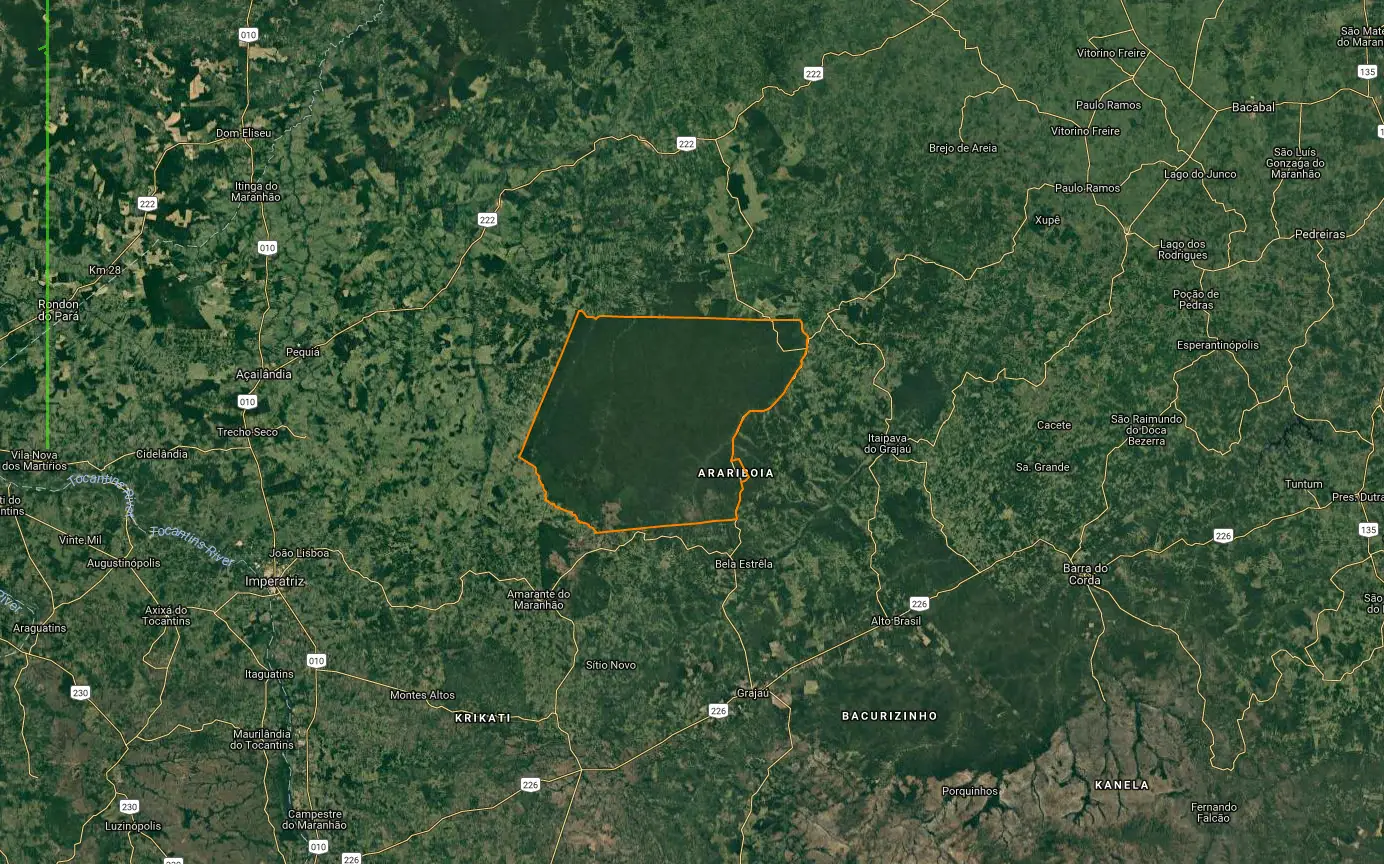
What threats does the Awá territory face?
Their territory, known as Arariboia, covers roughly 1.2 million acres. Illegal loggers, hunters and cattle ranchers have closed in on it in recent years. Survival International noted that the land has been invaded more and more, which could be why the Awá sought food.
Pearce said the Awá are under ‘extreme pressure’ as intruders encroach from all sides.
A team of Guajajara people known as the Forest Guardians has battled for years against the loggers and ranchers who invade Arariboia, owing to governmental failure to protect it.
Survival International says many Guardians have lost their lives in recent years protecting the territory.
In a statement, the Forest Guardians said the Awá way of life ‘depends exclusively on hunting and gathering’.
They said they have worked to protect the Awá ‘even at the cost of losing warriors in battle’, and demanded immediate action from the relevant authorities. They also asked Survival International to release the images to highlight the urgent need to protect uncontacted peoples' territories.
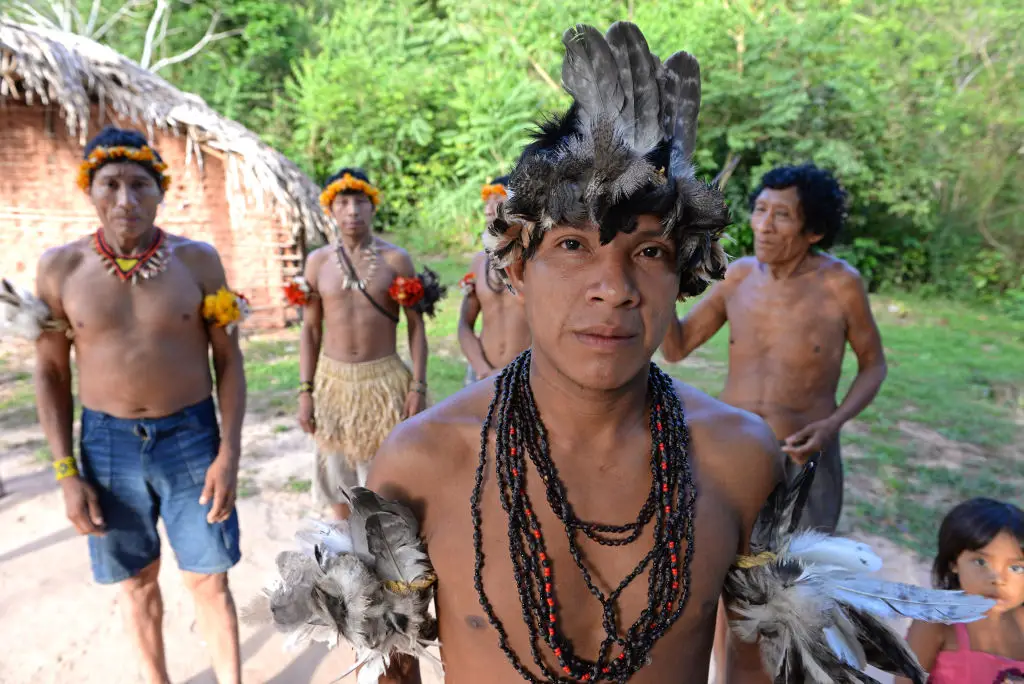
Indigenous organization COAPIMA said: "This highlights the importance of protecting uncontacted Indigenous peoples, respecting their autonomy and safeguarding their territorial rights."
Pearce urged lawmakers to act: "The Brazilian government must commit the resources necessary to protect Arariboia from the loggers and ranchers who are razing it, in flagrant defiance of the law."
The Brasilian Government said the priority for them at the moment was the protection of 'lives, health and autonomy' of the Awá people.
They said that they respect the rights of the people to decide on their 'forms of friendship' with other people and surrounding society.
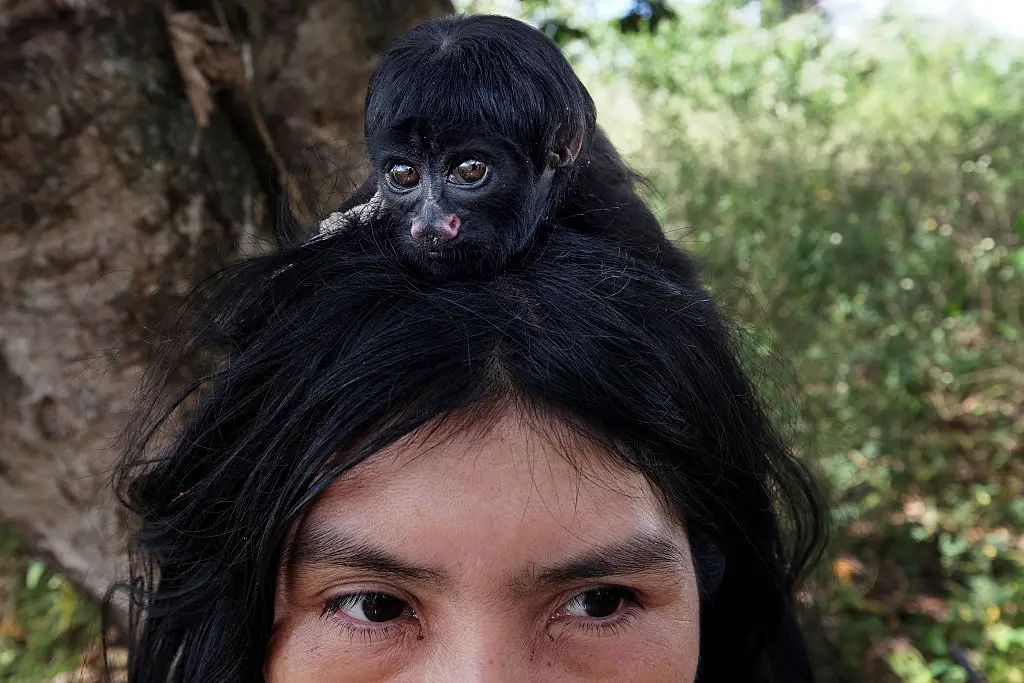
The statement said: "All measures adopted follow the technical and legal protocols of the Brazilian policy for the protection of isolated and recently contacted indigenous peoples, focusing on territorial protection, prevention of health risks, and respect for the self-determination of indigenous peoples.
"Brazilian policy for the protection of isolated indigenous peoples is guided by the principle of non-contact.
"Its objective is not to promote relations with these peoples, but to guarantee the necessary conditions for them to remain in isolation if that is their decision, without external interference and with full protection of their territories."
Topics: Environment, World News
 Thomas Bamford-Sidwell