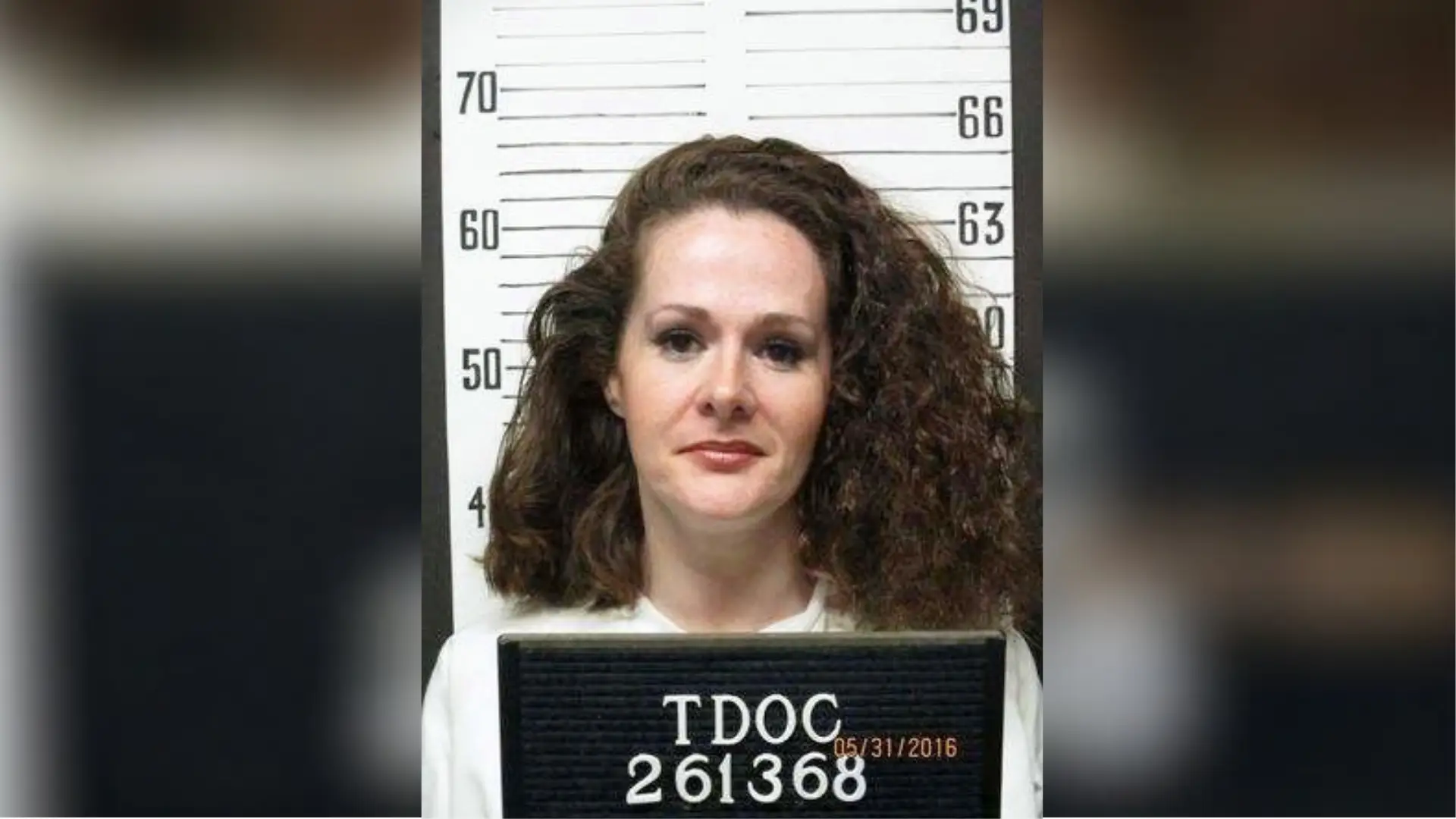
Doctor explains why Christa Pike may not be executed again as he reveals why the failure was 'predictable'

On September 30, Christa Pike became the first person to ever survive two lethal injections. Now, one doctor says she may not be able to be executed at all.
After being injected with two doses of pentobarbital, journalists inside the execution chamber reportedly heard the 50-year-old 'snoring loudly' for up to 40 minutes.
She was then taken to hospital to receive life-saving care. On Friday, October 2, her lawyers issued an update via filed court documents, which confirmed she is currently on a ventilator and remains 'critically ill'.
Speaking to The Sun, Dr Joel Zivot, who is an outspoken critic of capital punishment and associate professor of anesthesiology and surgery at Emory University School of Medicine, said: “Placing an intravenous catheter is a specific technical skill that is practised by people in healthcare. It’s not something that translates into the execution chamber."
Advert
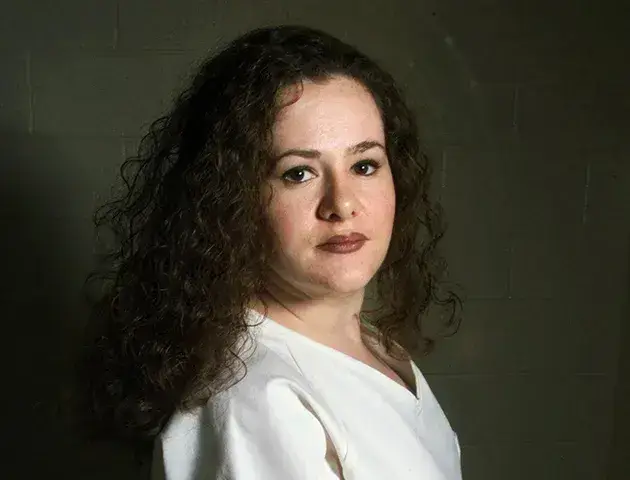
He claimed what happened to her was 'predictable' and explained that doctors and doctors and nurses abstain from being involved in capital punishment, and therefore, the insertion of the intravenous catheter (IV) is performed by 'untrained non-medical staff' who 'work under immense pressure'.
According to the court filing, Pike is being treated for 'the serious effects of the pentobarbital administered during the execution attempt, including significant injuries to both arms.'
Dr Zivot also explained to the outlet that an inmate can be 'too sick to be executed.'
“So if Christa Pike’s health should be such a thing that it can never be restored to some degree, then she may not face [execution] again," he added, explaining that 'it becomes the duty of the state to restore the prisoner to health,' should an execution go wrong.
What has happened when death row inmates are seriously ill when they are due to be executed?
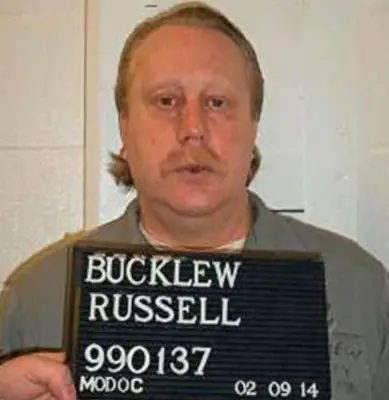
In 2014, Missouri inmate Russell Bucklew - sentenced to death after being found guilty of murder, rape and kidnapping - had his execution halted by the US Supreme Court hours before it was set to go ahead.
They argued that a rare birth defect which resulted in vascular tumours in his head and neck could make his execution by lethal injection torturous.
In 2019, the Supreme Court ruled that death row inmates have no right to a painless death, and he was executed months later by lethal injection. NBC reports there were no outward signs of distress.
In other cases, states have attempted to execute death row inmates in spite of serious medical conditions.
In Ohio, convicted murderer Alva Campbell was found to suffer from COPD and compromised veins, and relied on a walker and a colostomy bag.
His lawyers asked for him to be executed by firing squad. His execution in 2017 was eventually abandoned as officials struggled to find a vein. He died on death row the following year after being diagnosed with lung cancer.
In Alabama, Doyle Hamm - convicting of shooting a motel clerk during a robbery - was terminally ill with cranial and lymphatic cancer at the time of his scheduled execution in 2018.
His execution was called off after staff could not find a vein after two and a half hours of trying. He died on death row three years later.
The Tennessee Department of Correction has insisted that they did everything correctly with regard to Pike's execution.
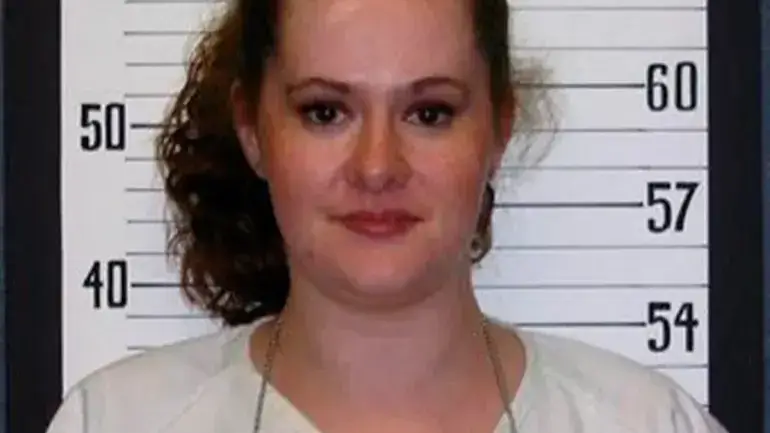
In a statement, they claimed: "The Tennessee Department of Correction followed every step of the State's lawful, established execution protocol approved by the Attorney General's Office.
"The lethal injection chemical in the protocol has consistently been effective, and the protocol does not allow for additional procedures beyond what was carried out this evening. Christa Pike has been transported to an off-site medical facility."
Pike spent the best part of three decades on death row, after she was convicted of the murder of student, Colleen Slemmer.
She was 18 years old at the time of the murder. Her boyfriend at the time, Tadaryl Shipp was also convicted. However, as he was 17 years old, he was not given the death sentence.
If her execution had been successful, Pike would have been the first woman in 200 years to be executed on Tennessee's death row.
 Kiesha Dosanjh