'I've watched numerous botched lethal injections – here are the key signs an execution will fail'

A week on from Christa Pike's botched execution, a death row expert has argued that 'every single lethal injection has the potential of ending very badly for everyone involved'.
The lethal injection is the most commonly used method of execution in the 27 US states where the death penalty is legal.
After being taken to hospital to receive 'life-saving care' on September 30, Pike has now regained consciousness and is able to speak, her lawyers have confirmed.
Pike's failed execution came as a shock to many, but death row expert and clinical psychologist Dr Bill Kimberlin, who has witnessed numerous executions, claims there are key signs that an execution may not go as smoothly as planned.
Advert
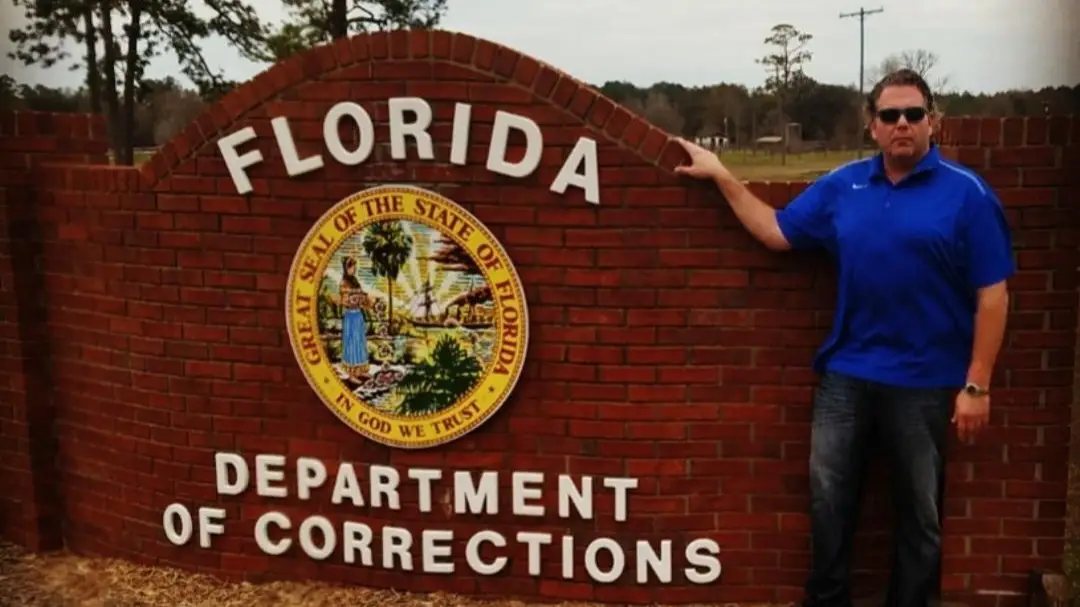
"During the first execution I witnessed, the guy had to get off of the table to go to the restroom and then come back and hop back on because it was taking so long," he tells UNILAD.
On the signs he looks out for, Kimberlin says: "I will first look for the 'un-certainty' in the eyes of anyone involved in the actual process.
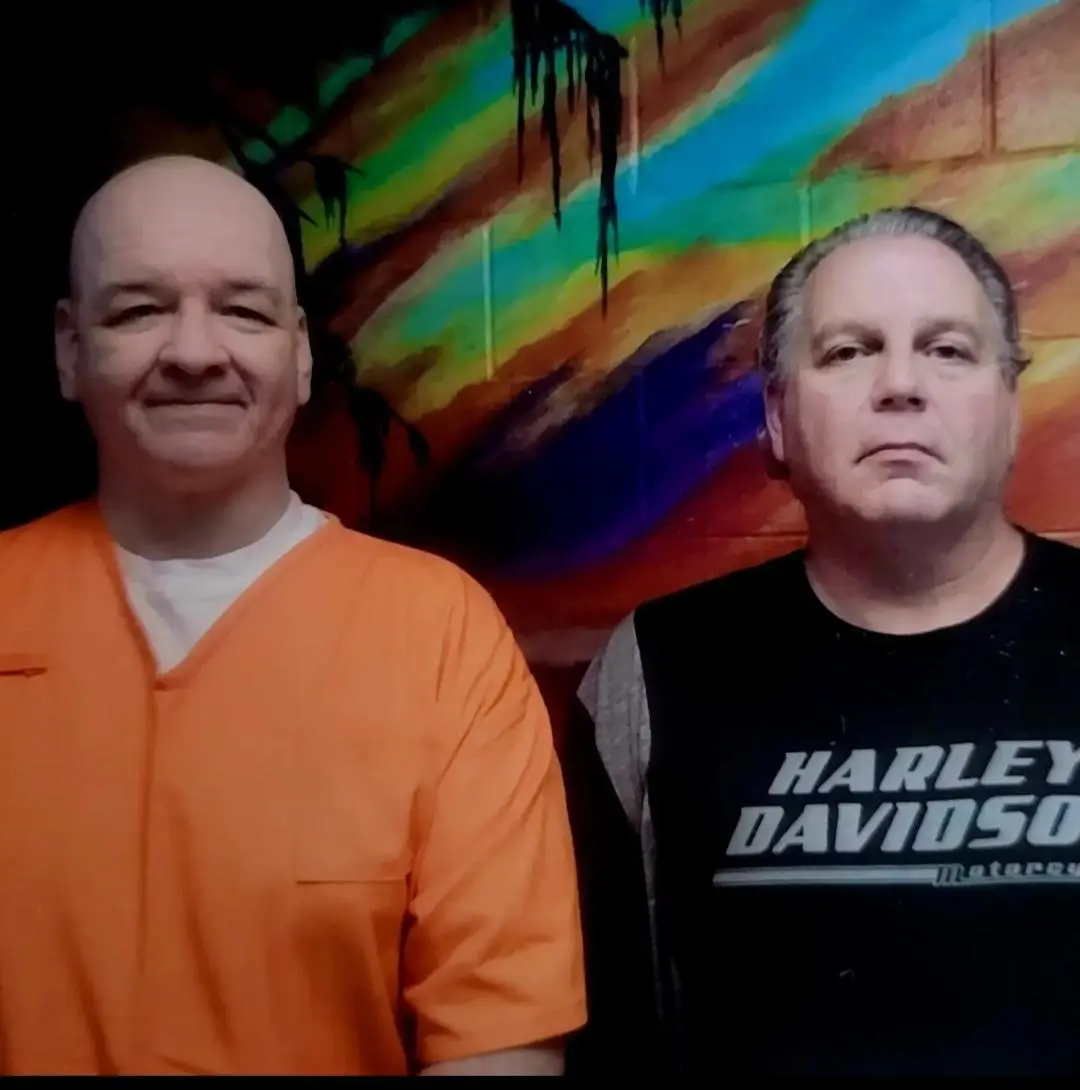
"If you have ever seen emergency room physicians at work during a crisis along with the nursing staff and everyone involved, they move around with a purpose. They are precise with everything they say and do. They may not feel as though they are in control, but an outside observer would see that they are."
During the first 'botched' execution he witnessed, Kimberlin noticed that the guards and EMTs involved in the process 'were very uncertain in their body language and movements'.
From start to finish, that particular execution took almost two hours, with guards uncertain of whether to let the condemned inmate use the bathroom or not.
In contrast, during the last execution the expert witnessed, which went as planned, he says he 'did not see as much wavering among the staff.'
"This does not mean the execution was flawless by any means," he tells us.
"It just means the state did their job by masking the effects of taking the life of a living human being to the point of where it appears to be peaceful and humane," the expert claims.
'Every lethal injection has the potential of becoming botched'
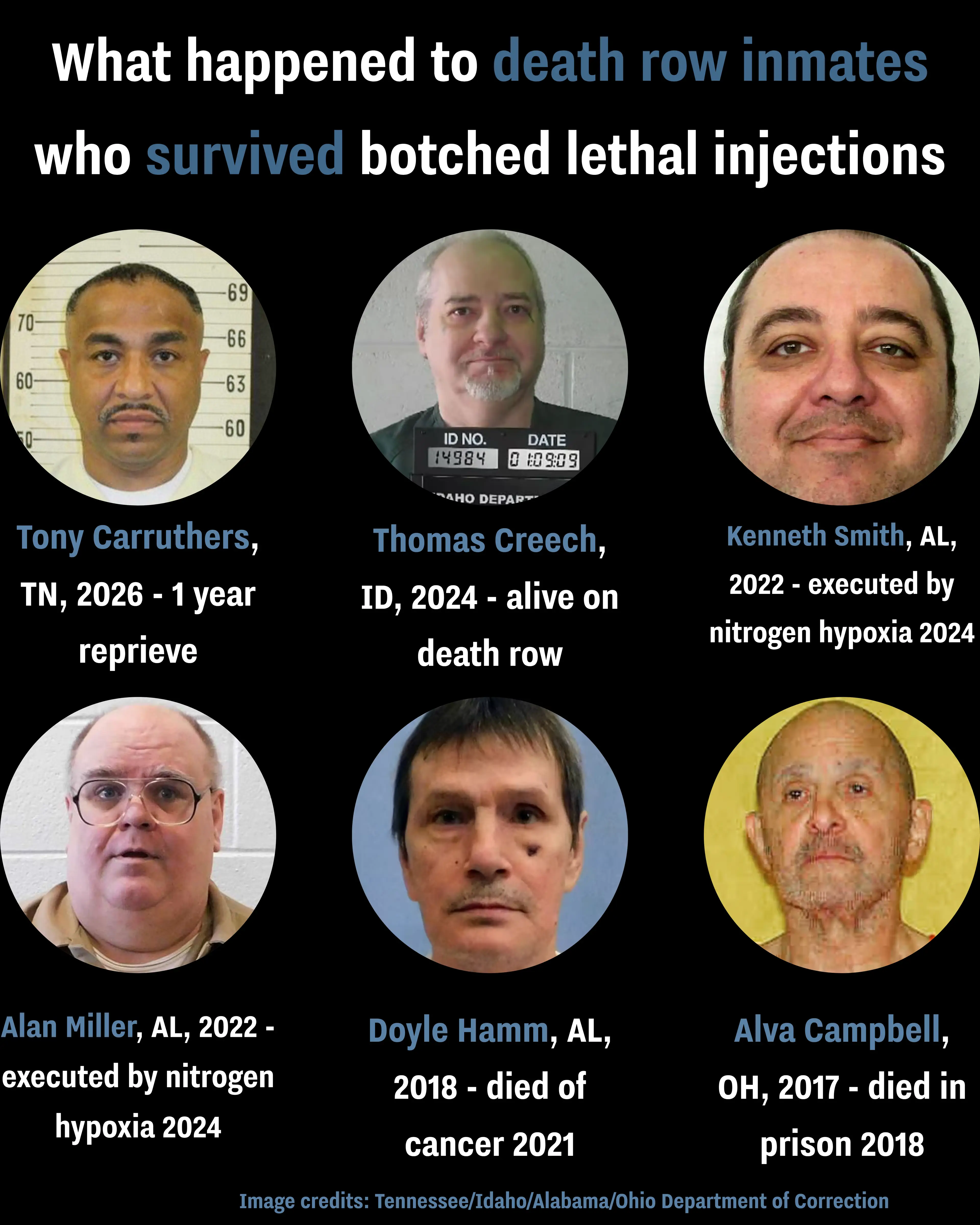
As per the Death Penalty Information Centre, between the years of 1890 and 2010, approximately 7.2 percent of lethal injection executions were 'botched.'
Pike was injected with two doses of pentobarbital, although there are different forms of the lethal injection process, with many being injected with a 'three-drug cocktail'.
"In my professional opinion, for what it’s worth, every single lethal injection scheduled to execute a human being has the potential of becoming botched and ending very badly for everyone involved," Kimberlin says.
"This includes the family members of the victims who were never told that something like this would ever occur. Executions by lethal injections have the signs of becoming 'botched' before they begin.
"Each execution is different and all are horrible to watch, in my opinion."
Pike has been on death row for three decades after she brutally murdered student Colleen Slemmer. Slemmer's family, including her mother, traveled to Tennessee to witness Pike's injection.
Slemmer’s niece, Morgan Seeley, told WLTV: “She [Slemmer's mother] went in there thinking that justice was going to get served, and then, of course, Christa didn’t die.
"You had 31 years to make sure you guys got everything in order for this day to happen. And for that to stop, it’s just a slap in the face, honestly."
In regards to Christa Pike's execution, the Tennessee Department of Correction insisted that they did everything correctly.
"The Tennessee Department of Correction followed every step of the State's lawful, established execution protocol approved by the Attorney General's Office," a spokesperson said, shortly after the failed attempt.
"The lethal injection chemical in the protocol has consistently been effective, and the protocol does not allow for additional procedures beyond what was carried out this evening. Christa Pike has been transported to an off-site medical facility."
Topics: Christa Pike, Death Row
 Kiesha Dosanjh