Eerie question death row inmate asked in last words during US' first triple execution in 16 years

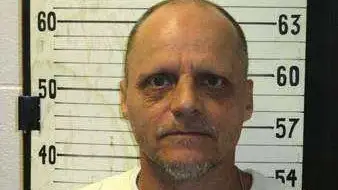
Tennessee death row inmate Anthony Darrell Hines asked a chilling question in his final moments before he died on August 12 in America's first triple execution since 2010.
Prison authorities in Texas, Oklahoma, and Alabama proceeded with lethal injections following a flurry of unsuccessful last-minute appeals to state supreme courts and the U.S. Supreme Court, resulting in the deaths of Carlos Cuesta-Rodriguez, Anthony Darrell Hines, and Jeremy Williams.
As is custom across state correctional facilities, each condemned inmate was offered a final meal and final opportunity to address the witness room—comprising victim family members, media representatives, spiritual advisors, and prison officials—before the lethal drugs were administered.
Hines, 54, was the second of the three executions, taking place at 10:43am. He was executed for the 1985 murder of Catherine Jean Jenkins, who he stabbed to death while she was working as a motel maid in Kingston Springs.
Advert
Prior to his death, when asked if he had any final words, Hines initially said: “not right now, thank you” but he later recanted this, and instead left a message for his son, who he had only just reconnected with in the four days prior to his execution, after not being present in his life from the age of 3.
“Tell my son hello”, he said.
However, according to ABC 7, Hines did speak again before his death, asking one eerie question to his spiritual adviser as he was given the lethal injection.
About four minutes after the curtain opened to allow witnesses to see the death chamber, Hines asked: “How long do I have?”
It was only a few moments later that witnesses reported hearing groans and heavy breathing from the inmate.
Following the execution, Jenkins’ own son Dennis, addressed reporters with his thoughts on finally gaining justice for his late mother. “I hope he did suffer. I hope he felt severe pain because what he did to my mother is nothing compared to what he may have just gone through,” he declared.
Hines' death came after that of 70-year old Carlos Cuesta-Rodriguez, who died in rural McAlester, Oklahoma at roughly 10:13am CDT.
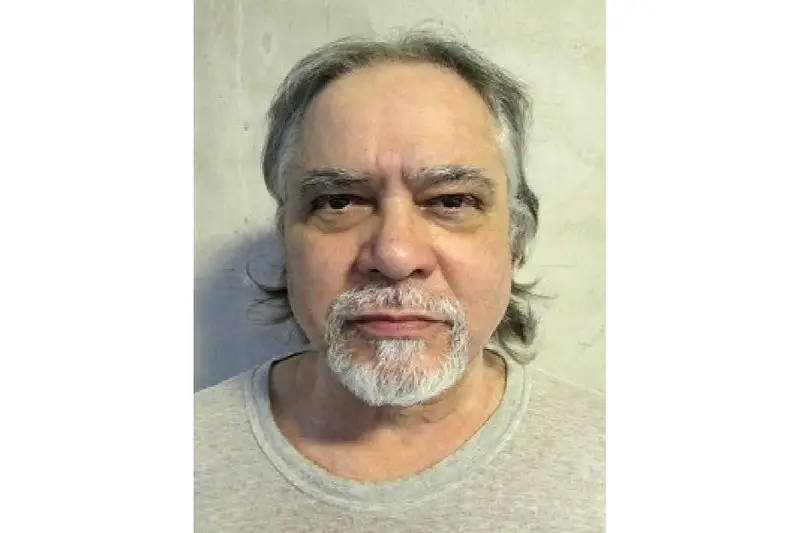
He was convicted of fatally shooting his girlfriend Olimpia Fisher at their Oklahoma City home in 2003.
In the years since his conviction, he repeatedly expressed remorse for her killing and told a board he didn’t want clemency for his crime.
In his final moments, he turned to two relatives in attendance and mouthed “I love you” but said he had no further last words to give.
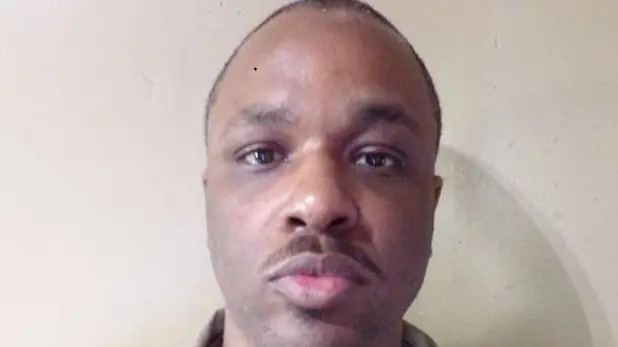
The third execution of the day, at approximately 6:16 p.m, was that of Jeremy Williams, 42, whose life was ended for the 2021 rape and murder of a 5-year-old Georgia girl.
Williams, who plead guilty to killing Kamarie Holland, did not appeal his execution and instead asked for his death sentence to be carried out.
In his last words, he said: "I want to thank God for forgiving me for my sins so I can meet him in peace."
Alabama Attorney General Steve Marshall issued a statement Thursday evening following the execution of Williams, saying: “Justice has been served. In addition to molesting and murdering five-year-old Kamarie Holland in 2021, Williams confessed to a series of violent crimes against children.
"He killed his infant daughter in Alaska, raped at least two other small children, and sexually abused his young cousin. At his own request, his execution was set and carried out. This is one of the most atrocious crimes we have seen against an innocent child. This lack of humanity is hard to comprehend.
“For her entire life, little Kamarie was exploited by the people around her who were supposed to keep her safe. First, by a father who refused to follow a court order keeping Kamarie and her brother away from their mother, then by a mother who sold her innocent child, and then by Williams, who assaulted and murdered her. At trial, the court wrote that Williams’s actions ‘were so shockingly evil in everything that you did that there’s nothing that I can order to give you what you truly deserve.’
“My office will always stand for victims and fight to ensure that the perpetrators who commit the most violent crimes in Alabama are punished to the maximum extent of the law. It is my sincere hope tonight that survivors of Williams’s crimes know that he can never hurt them, or another innocent child, again.”
Last words of famous death row inmates
Ted Bundy
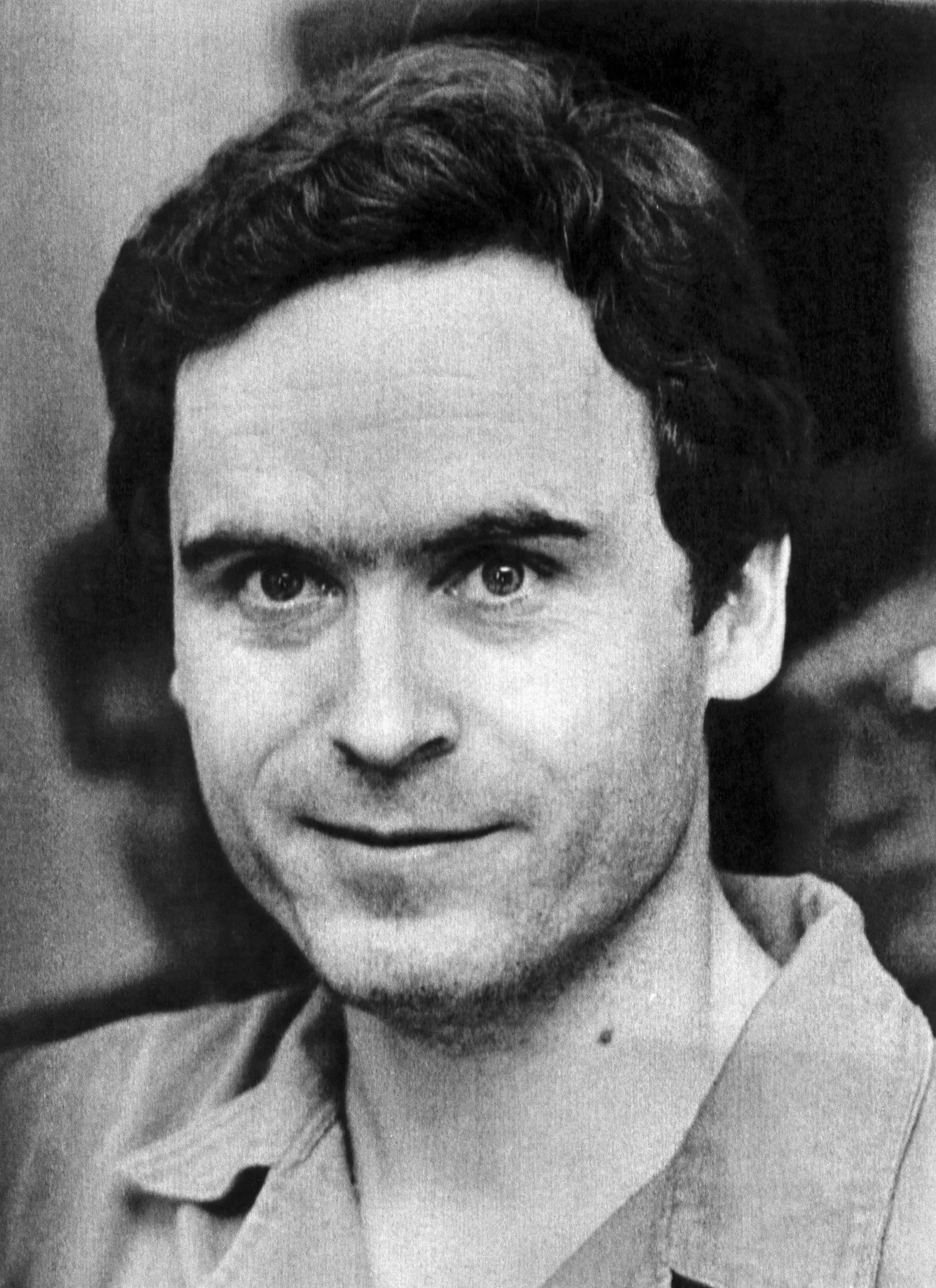
Bundy was sentenced to death for assaulting and murdering dozens of young women and girls across several states during the 1970s.
After maintaining his innocence for more than a decade, Bundy officially confessed to 30 murders shortly before his execution, seemingly in a last-minute bid to buy more time.
On 25 January, 1989, the 42-year-old was executed by the electric chair at Florida State Prison.
Addressing his lawyer Jim Coleman and Methodist minister Fred Lawrence, who had spent Bundy’s final night with him praying, the serial killer said: “Jim and Fred, I’d like you to give my love to my family and friends.”
Aileen Wuornos
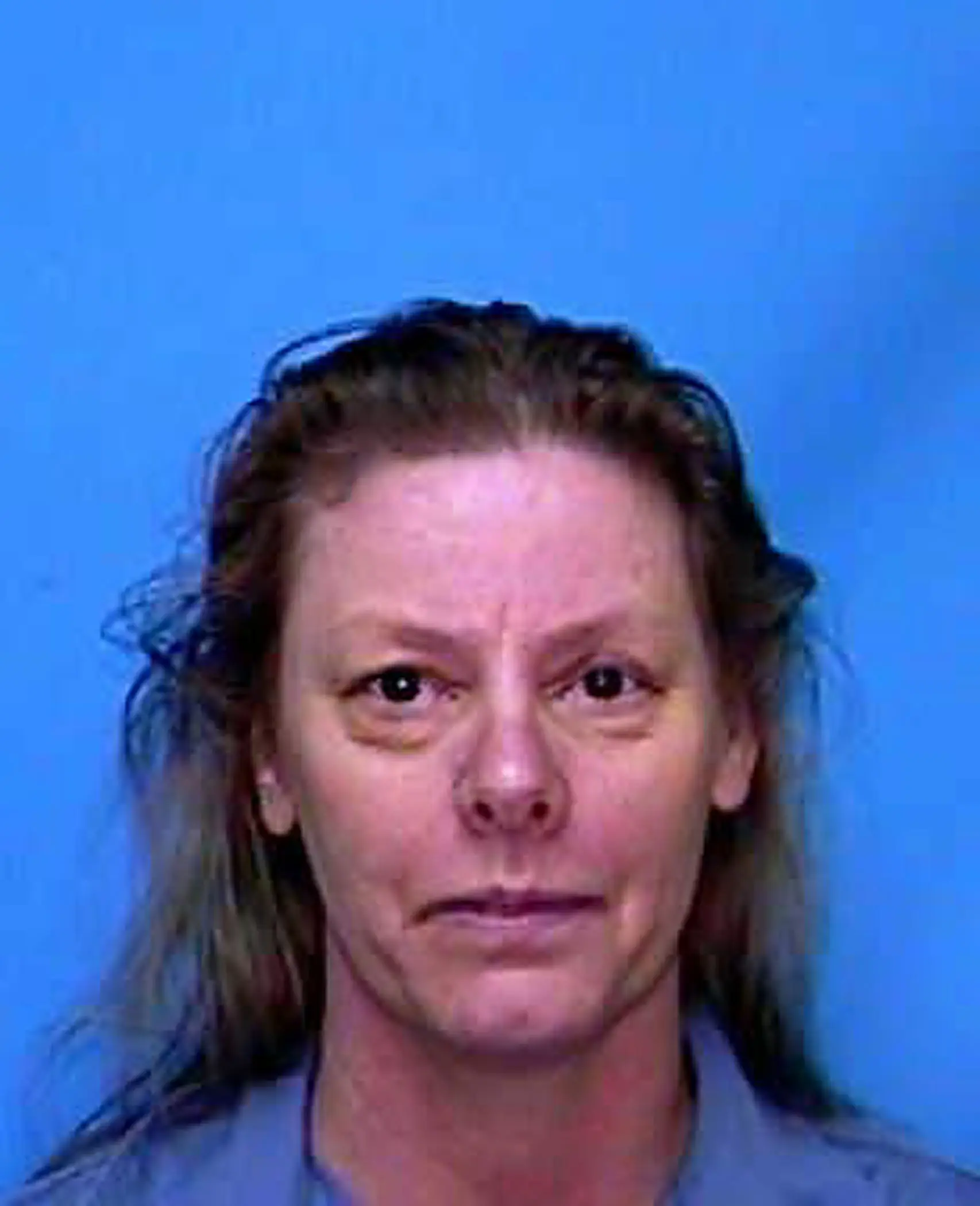
Wuornos was a sex worker who shot and killed seven men along Florida highways between 1989 and 1990.
Following a highly publicised trial, she was convicted of first-degree murder for six of the killings and executed at Florida State Prison on 9 October, 2002.
Before her death, Wuornos said: “I'd just like to say I'm sailing with the rock, and I'll be back like Independence Day, with Jesus June 6. Like the movie, big mother ship and all, I'll be back.”
John Spenkelink
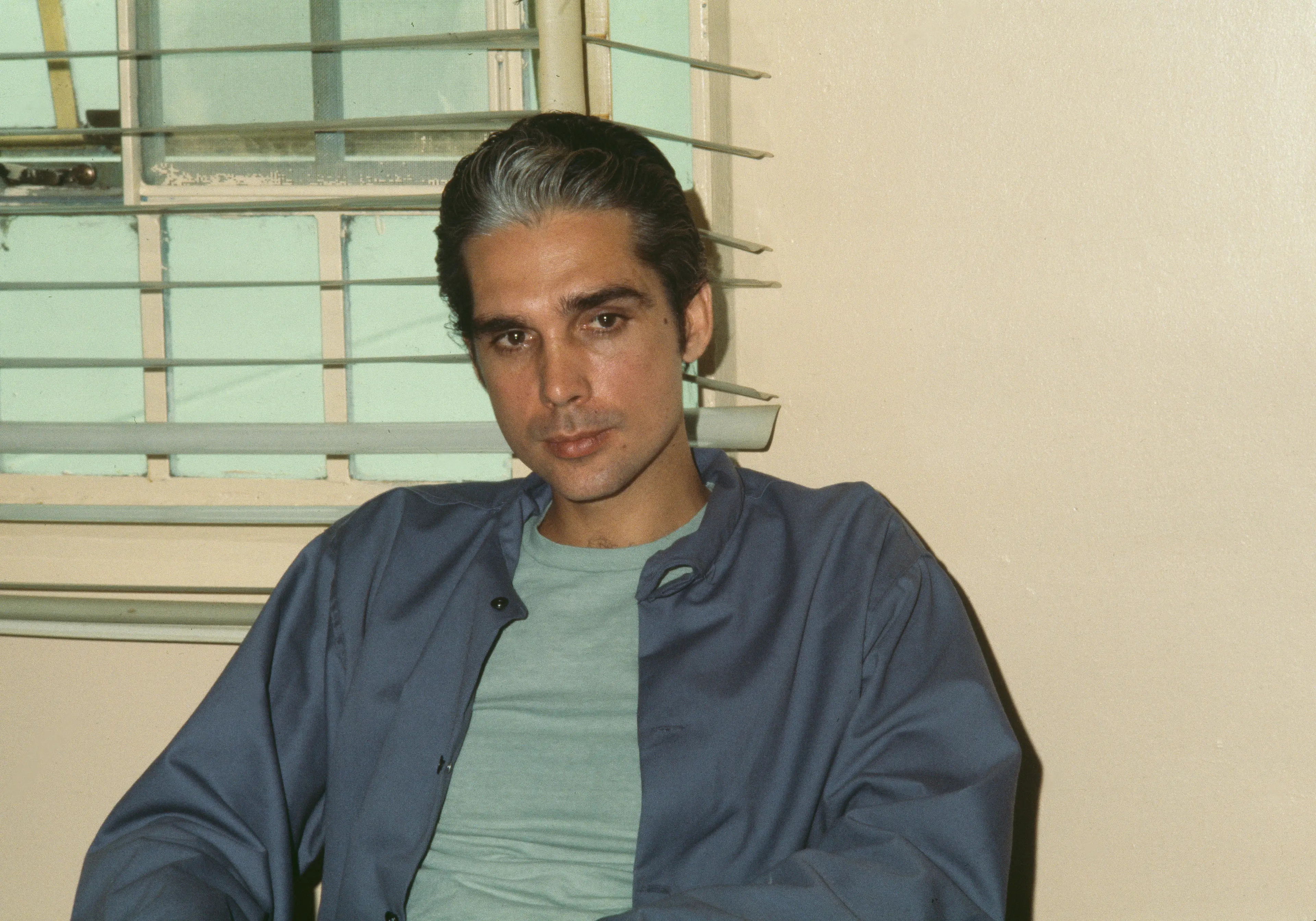
Spenkelink was convicted of first-degree murder after killing his travelling companion, Joseph Szymankiewicz, in a Florida motel room on February 4, 1973.
Despite extensive failed appeals, he was executed via the electric chair at Florida State Prison on May 25, 1979.
At the age of 30, Spenkelink’s reported last words were: “Capital punishment - them without the capital get the punishment.”
William Bonin
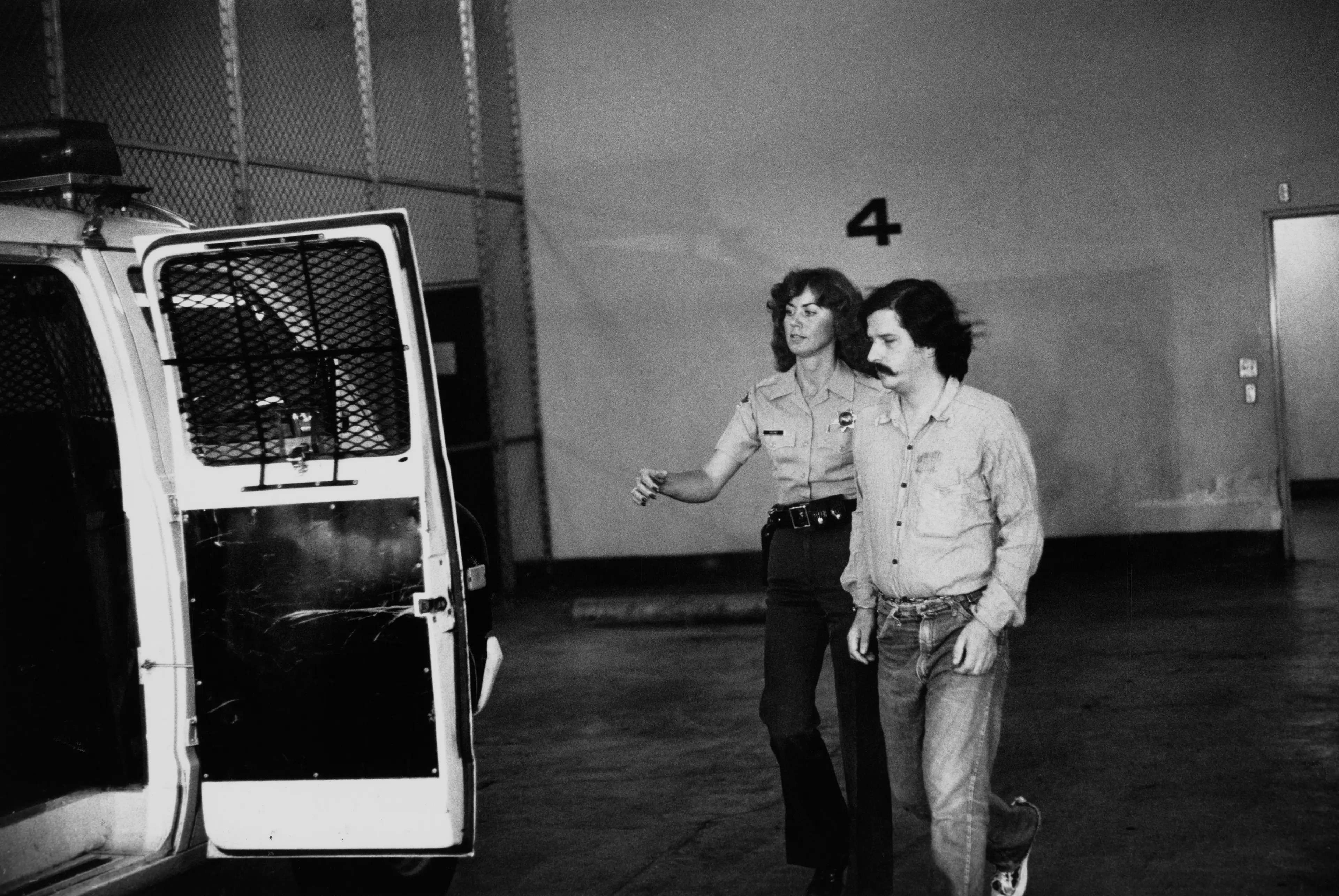
Known as the ‘Freeway Killer’, Bonin raped, tortured, and murdered at least 21 boys and young men between 1979 and 1980, dumping their bodies alongside various highways in Southern California.
He was convicted of 14 murders and was executed by lethal injection at San Quentin State Prison on 23 February, 1996.
When asked for his last words, Bonin, 49, told the warden: “That I feel the death penalty is not an answer to the problems at hand. That I feel it sends the wrong message to the youth of the country.
“Young people act as they see other people acting instead of as people tell them to act. And I would suggest that when a person has a thought of doing anything serious against the law, that before they did, that they should go to a quiet place and think about it seriously.”
Clarence Ray Allen
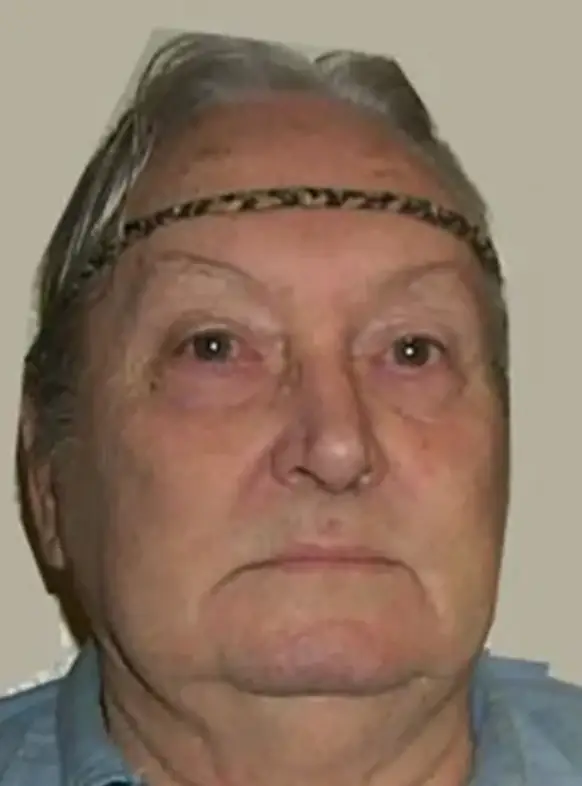
Allen was handed capital punishment in 1982 after ordering a triple murder while serving a life sentence for arranging the 1974 murder of Mary Sue Kitts, a potential witness against him in a burglary case.
At 76 years old, Allen was put to death via lethal injection at California’s San Quentin State Prison on 17 January, 2006.
“My last words will be, Hoka Hey, it's a good day to die. Thank you very much. I love you all. Goodbye,” his final statement read. It was the state’s last execution.
If you've been affected by any of the issues in this article, you can contact The National Sexual Assault Hotline on 800.656.HOPE (4673), available 24/7. Or you can chat online via online.rainn.org
 Phoebe Tonks