
Water cremation explained as Sir Patrick Stewart's body is confirmed to have undergone the unusual process

Three weeks on from Sir Patrick Stewart's death and more has been revealed about the Hollywood icon's passing.
Stewart died on October 28 following a brief battle with Alzheimer's Disease and Lewy Body Dementia, his representatives said in a statement a day after his death.
It was a cardiopulmonary arrest that has been listed as his cause of death, with his dementia also being a contributing factor.
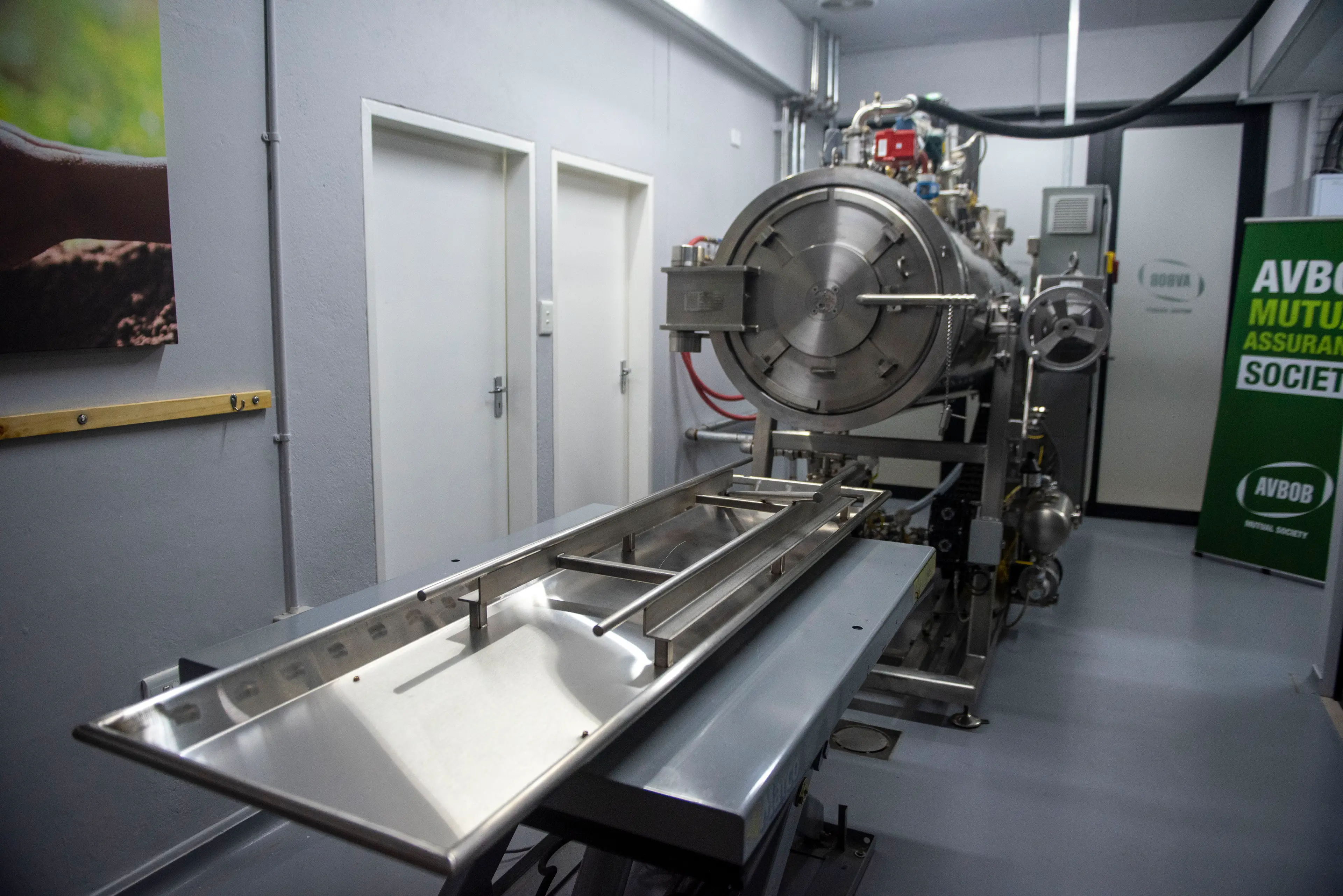
Documentation revealed that that Star Trek legend's remains were handled via alkaline hydrolysis (also known as a water cremation). Traditional ways a deceased person's remains are handled is via a burial or cremation using fire. But there's another alternative – that being alkaline hydrolysis.
What is alkaline hydrolysis?
Advert
Explaining the process, the Cremation Association of North America (CANA) says on its website: "Alkaline hydrolysis uses water, alkaline chemicals, heat, and sometimes pressure and agitation, to accelerate natural decomposition, leaving bone fragments and a neutral liquid called effluent.
"The decomposition that occurs in alkaline hydrolysis is the same as that which occurs during burial, just sped up dramatically by the chemicals. The effluent is sterile, and contains salts, sugars, amino acids and peptides.
"There is no tissue and no DNA left after the process completes. This effluent is discharged with all other wastewater, and is a welcome addition to the water systems."
According to Sky News, the process takes anywhere between four to 14 hours to carry out.
Why some people chose it

I think we can all agree that it's a unique way for a deceased person's remains to be deposed of; but one of the main reasons people opt for a water cremation is because it's more environmentally friendly.
"It uses significantly less fuel and has an overall lower carbon footprint than both traditional cremation and burial," says the CANA.
Others find alkaline hydrolysis more appealing as a it's a gentler process compared to the more common alternatives.
It's also a significantly faster process. Water cremations take just hours to decompose a body, while it can take up to 12 years for someone's remains to naturally decompose after being buried.
Where is it legal?

There are 26 states in the US that allow alkaline hydrolysis. As of March 2026, these states were: Alabama, Arizona, California, Colorado, Connecticut, Florida, Georgia, Hawaii, Idaho, Illinois, Kansas, Maine, Maryland, Minnesota, Missouri, Nevada, North Carolina, Oklahoma, Oregon, South Carolina, Tennessee, Utah, Vermont, Washington, West Virginia, and Wyoming.
Some provinces in Canada and parts of Mexico allow water cremations as well.
Meanwhile it was legalized in Scotland earlier this year, making it the first UK country to do so.
 Niamh Shackleton