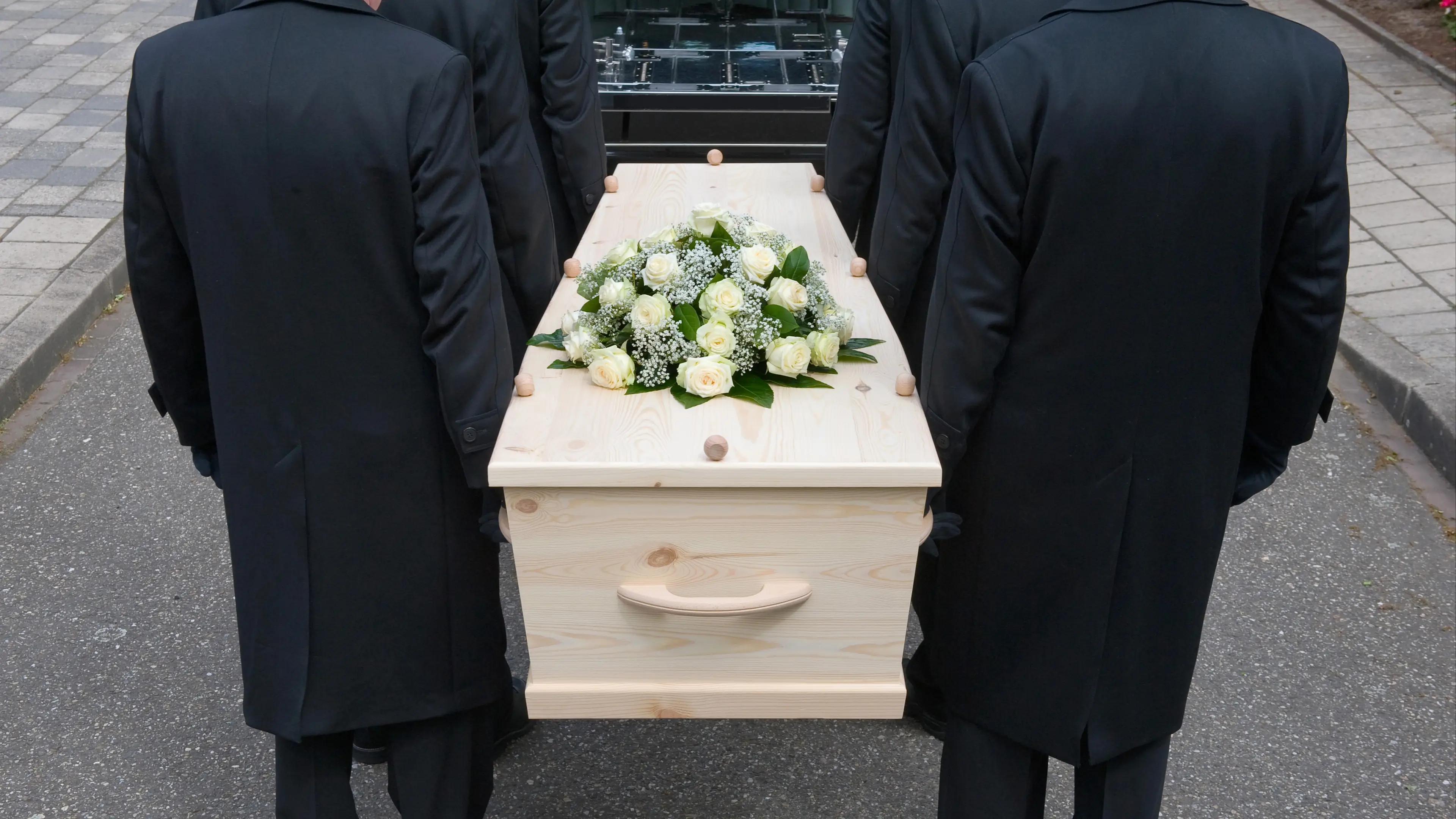
Country introduces 'boil in a bag' funerals where bodies are liquified and flushed down the drain

 Niamh Shackleton
Have you ever thought about what you'd like your loved ones to do with your body after you die?
Traditional ways to get rid of a body after someone dies include a burial or cremation.
Me? I'd like a Viking funeral like the ones you see in the movies where you're set out to sea and someone shoots a flaming arrow at the vessel carrying your body — basically a cremation with some added drama and theatrics.
But Scotland will soon be introducing another way to dispose of corpses that differs from the more traditional methods... that way being a so-called water cremation.
Advert
The process, which has been dubbed as a 'boil in the bag funeral', happens by hydrolysis which is a chemical process that involves water, heat and an alkaline solution being applied to a body in a chamber similar to that used in cremation.
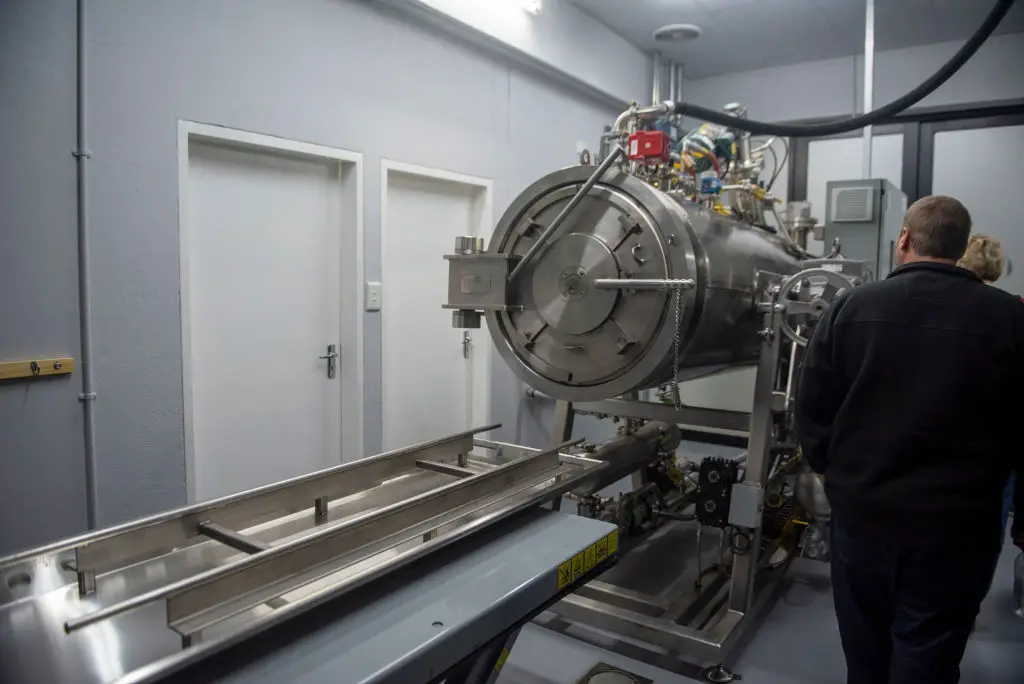
One of the apparent positives of this method is that it's more environmentally friendly as it takes a lot less energy to do in comparison to a typical cremation that needs temperatures as high as 1,800°F.
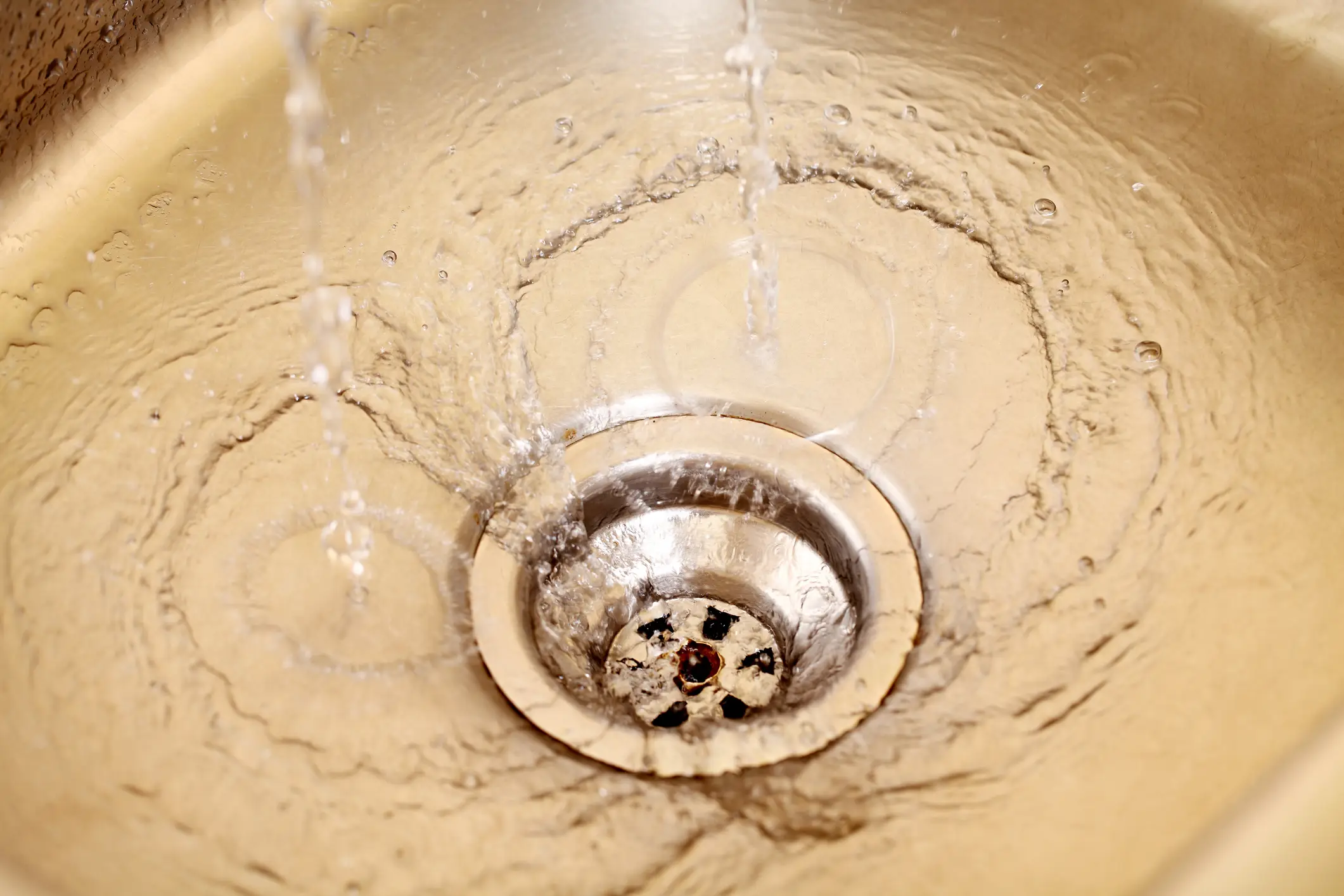
A water cremation leaves a corpse in a liquid state that can supposedly be then casually flushed down the drain like your childhood goldfish or the remains of a cup of coffee you left on the side three days ago.
Any remaining bones and teeth can then be ground to ash for family of the person to take home.
According to The Times, water cremations may become available in Scotland as early as next year.
Speaking to the newspaper, Andrew Purves, director at the Edinburgh-based William Purves funeral directors, explained the process in more detail.
"Hydrolysis uses a solution used to speed up natural processes, which the body would go through, and allows the body to remove back to its natural elements," he shared.
"The body is placed in a chamber, similar to a cremation, and the process would then take around three hours. At the end you are left with the bones of the person similar to cremation. A further process can then be conducted, which results in a white powder similar to ash."
Andrew continued: "This can then be scattered by a family if they wish, similar to ashes being scattered following cremation, or they can be buried at a cemetery."
While this will be new for Scotland, the likes of the Republic of Ireland, South Africa, Canada, and some states in the US already offer water cremations.