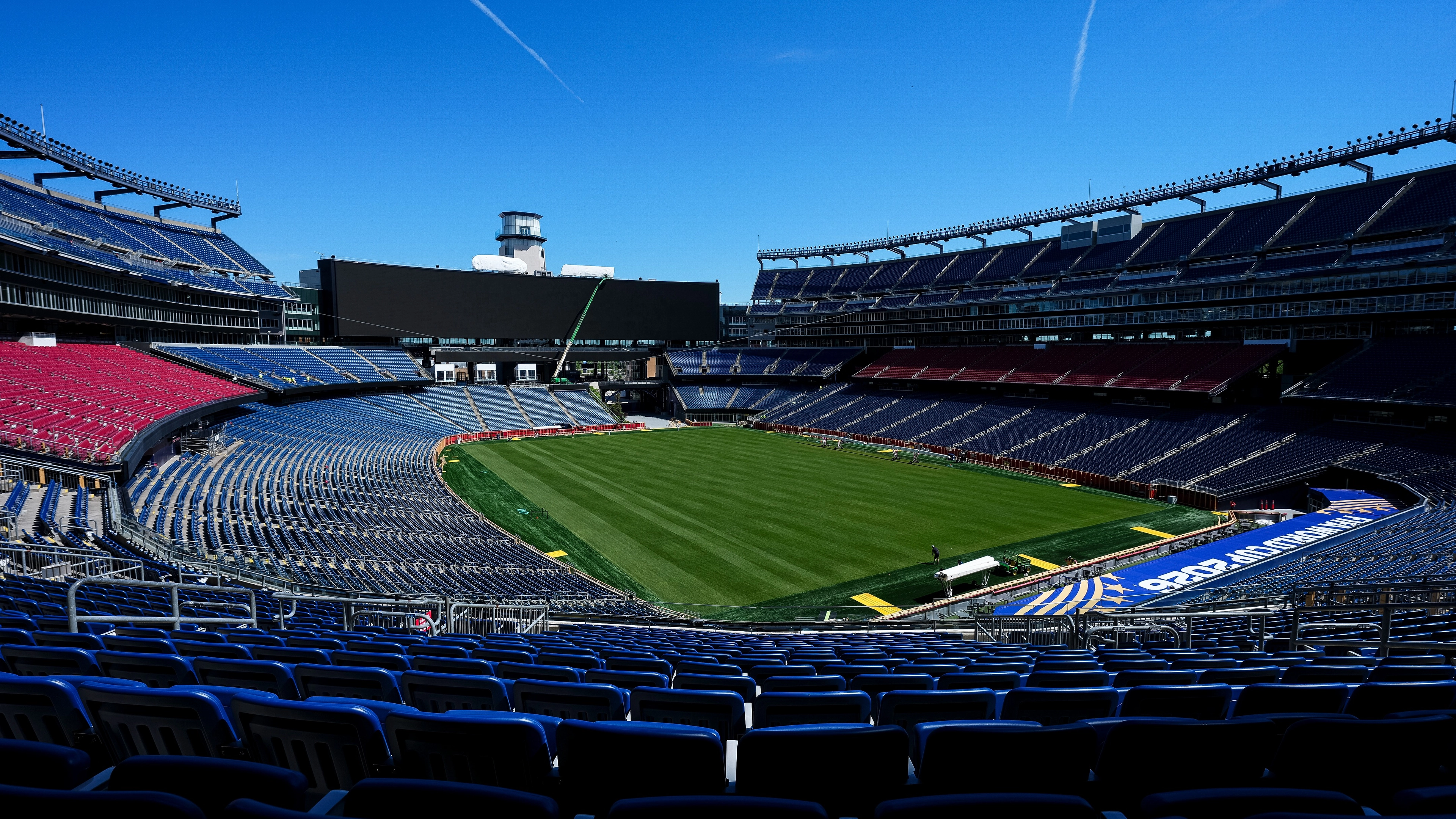
FIFA faces backlash after banning item from World Cup games

FIFA are facing backlash after making a last-minute policy change ahead of the tournament on June 11, banning what some have considered an essential item.
Fans attending the 2026 World Cup in the US, who are jointly hosting the competition with Canada and Mexico, have been banned from bringing refillable plastic bottles into the stadiums.
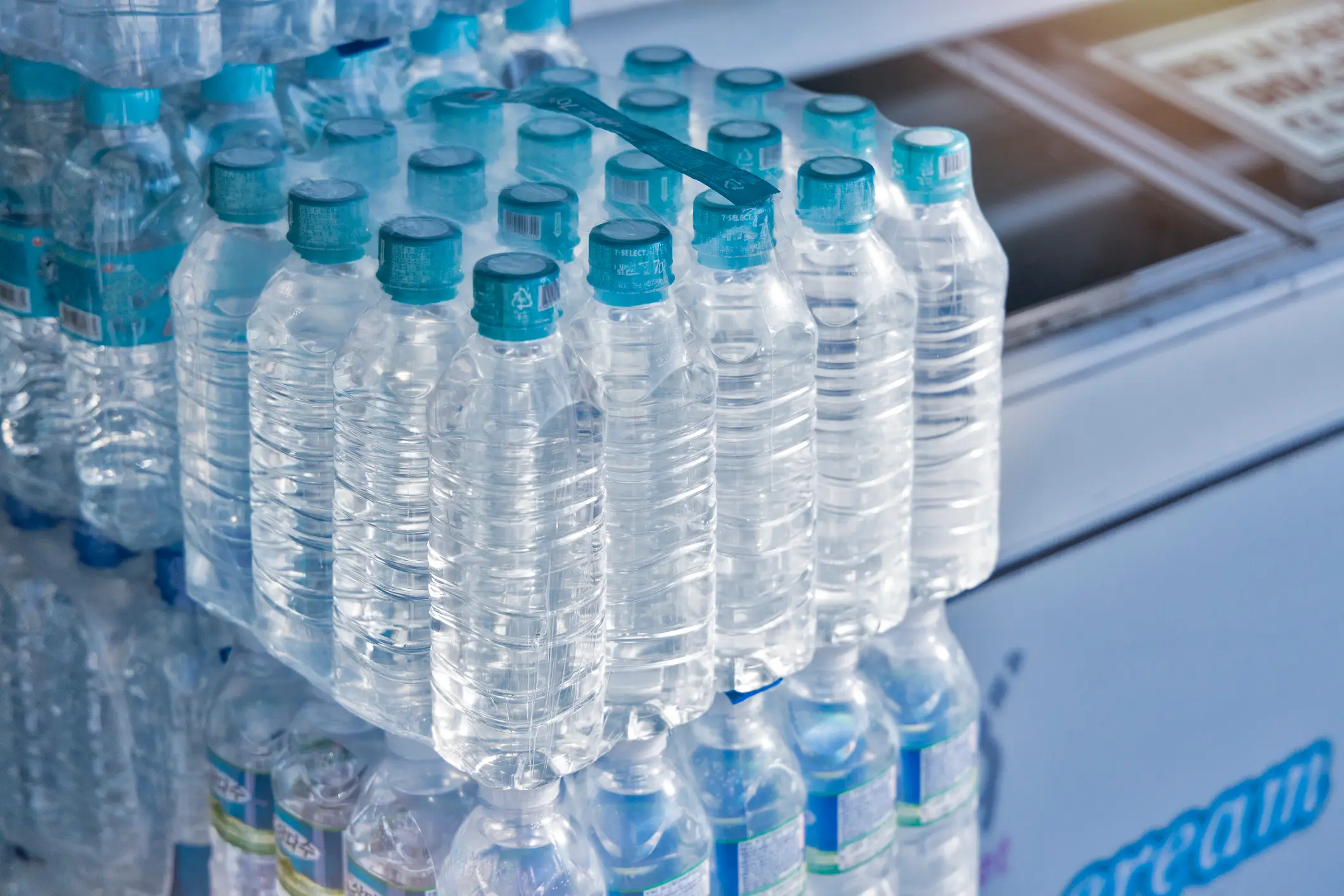
The policy for ticketholders had previously permitted an empty, transparent, reusable bottle of up to one litre capacity, but a last-minute change confirmed that the bottles were no longer allowed.
"What next? Sun cream banned and fans forced to buy it in stadiums?", the Free Lions England fans' embassy wrote on X.
Advert
But a spokesperson from FIFA has explained the rule, which they have stated is to keep 'players, referees, fans, volunteers and staff' safe.
In a statement, they said: "Outside bottles are already prohibited at several of these venues for safety considerations and FIFA is applying this consideration across its tournament stadiums.

"FIFA works closely with each host city committee and local authorities on heat mitigation factors for fans travelling to the stadium, which can include resources such as misting stations, fans, hydration stations, cooling tents and more around the stadium footprint."
In terms of pricing, FIFA noted that the cost of water bottles would 'remain consistent with other events held at each stadium'.
The Athletic reported that bottled water cost between $4 and $6 (between £3 and £4.50) at last summer's Club World Cup in the US.
And temperatures are expected to reach highs of 80 degrees Fahrenheit in some cities throughout the competition.
Three of the cities most exposed to possibly dangerous levels of heat, including Houston, Dallas and Atlanta, have air-conditioning installed in their stadiums, effectively eliminating the risk.
And to further alay health and safety fears, FIFA have also introduced three-minute hydration breaks for players in each half as a welfare measure.
Commenting on the 'dangerous' water bottle ban while speaking to the Sun, Dr Malcolm Mistry, an Assistant Professor in Climate and Health at the London School of Hygiene & Tropical Medicine, he said: "The water bottles news is very alarming.
"The heat and being dehydrated can make spectators feel giddy and faint, leading to heat exhaustion."
The expert warned: "If people’s water levels are not replenished, we are looking at them going from heat exhaustion to heatstroke, which can lead to fatalities."
 Mia Williams