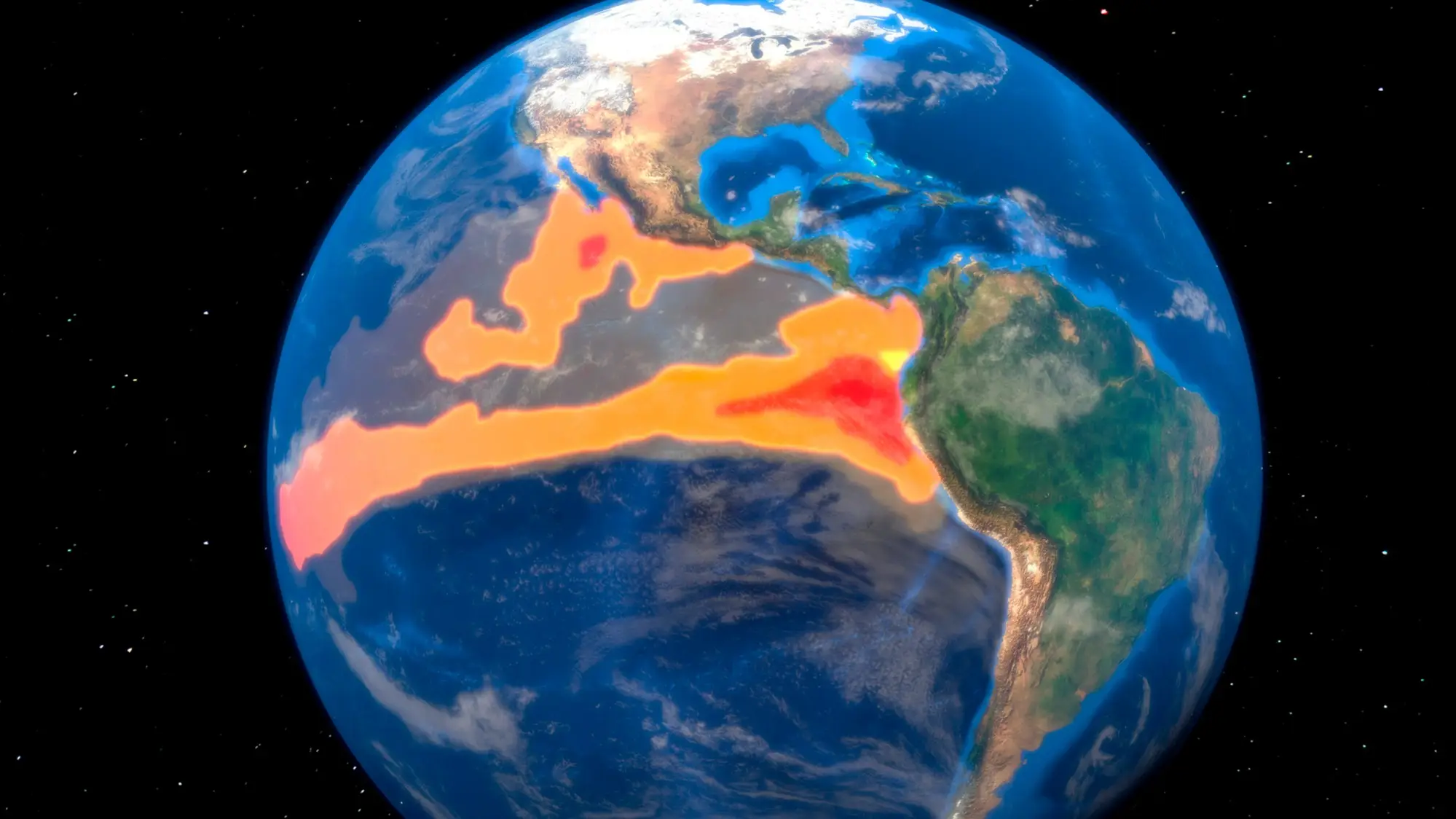
Super El Niño now nearly 70% likely to become strongest on record – ‘once-in-a-lifetime’ event could impact US winter

The world is bracing for an El Niño which has been predicted to be one of the strongest ever recorded.
Such is the strength of this incidence of the ENSO Cycle in the Pacific Ocean that it's been widely referred to as a 'Super El Niño' to differentiate it from a more run of the mill El Niño.
Even weaker El Niño events can see widespread destruction around the world, affecting weather patterns and leading to an increased likelihood of extreme weather.
So it is anticipated that the 'Super El Niño' coming on top of the effects of climate change, will have a particularly widespread and devastating impact.
Advert
Countries in South America and South East Asia are at the most risk from the El Niño, which can have a very broad range of effects depending on where in the world you are.
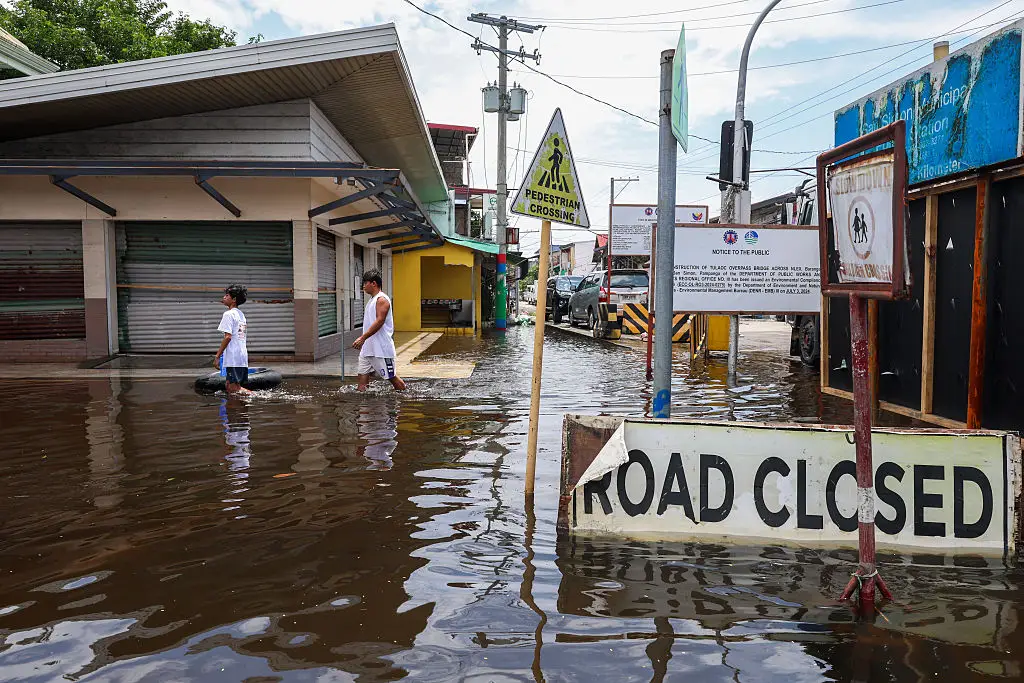
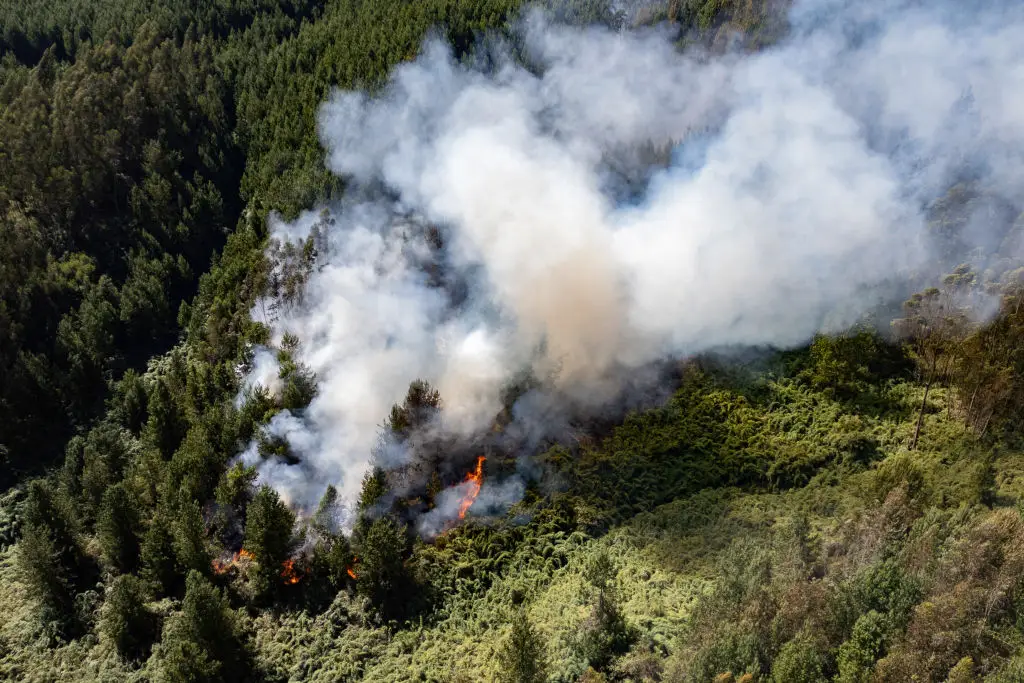
This might be much drier and hotter weather, leading to an increased risk of wildfires and drought, or higher than average rainfall leading to more likelihood of floods.
The US is not exempt from this either, with the country also anticipating a big impact as a result of the El Niño, which is expected to last until 2027.
El Niño is the warming part of the ENSO Cycle in the Pacific, when the surface temperature of the ocean increases beyond a certain point, and the higher the temperature the stronger the El Niño, CNN reports.
So how could this El Niño, which has been given a 70 percent chance of becoming the strongest ever recorded, affect the winter in the US?
As El Niño are all different it can be difficult to predict, but there are patterns in how it can impact the rates of precipitation, as well as the temperature.
The US is also geographically a large country, one of the largest in the world in fact, so there will also be variation depending on where you are in the US.
According to the National Oceanographic and Atmospheric Administration, this tends to be that the south of the US experience a wetter and cooler climate from El Niño, while northern areas are warmer and drier.
For example, the Southeastern US and the plains in the south could see more freezing rain and sleet through the winter. There could also be an increased likelihood of thunderstorms as well in certain parts of the US.
One state which could be at an especially elevated likelihood of thunderstorms during the winter months is Florida.
Meanwhile in the West, wetter than usual weather is also a possibility for Southern California as well.
It's not a 100 percent certainty that the El Niño will cause extreme weather as the weather is by its nature very changeable and unpredictable, and this is even more the case with long-range weather prediction. However, the stronger an El Niño event the more likely it is to lead to extreme weather, and given the strength of this one that means the likelihood is even higher.
NOAA's forecasts for December through to January are already showing signs which are associated with El Niño.
Topics: Weather, US News, Climate Change, Environment
 Kit Roberts