It's illegal to die in these 10 places, and there are strict reasons why

Most of us don't really know when we're going to die. But if we did, there are certainly some places we'd avoid going when the Grim Reaper comes knocking.
That's because there are actually several places around the world where it is illegal to die. You read that right... illegal to die.
Now, let's be real. It's not like they're going to put you in handcuffs and arrest you after you drop down dead, but there are some very real, very serious reasons why you shouldn't die, and certainly can't be laid to rest in these places.
One such place is the Arctic town of Longyearbyen in Norway, where burials are banned due to the frozen ground. This rule has been in place since the 1950s, due to the discovery that the cold conditions not only prevent decomposition, but also allow deadly viruses to survive too.
Advert
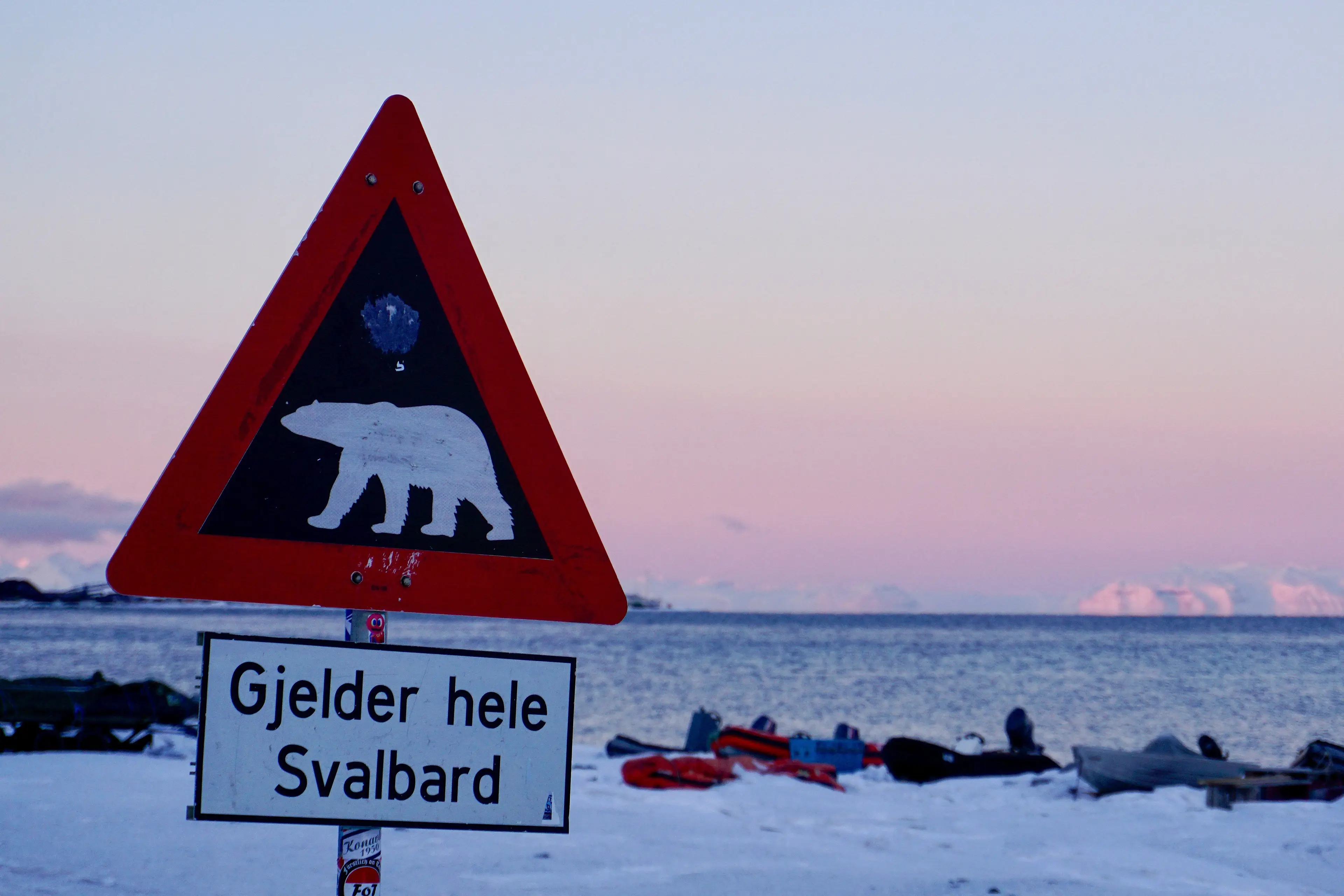
With that in mind, anyone who does die in Longyearbyen must be transferred off the island by plane.
Meanwhile, over in Sellia, Italy, it has been 'illegal' to get sick or die, thanks to the town's mayor, since 2015. This is somewhat concerning given that almost all of the people who live there are over the age of 65.
Thankfully the punishment isn't too harsh and is just a €10 fine for skipping your annual checkup, as an incentive to keep its residents fit and healthy for as long as possible to keep the population going.
Also in Italy, the mayor of Falciano Del Massico banned dying back in 2012, following a dispute over a cemetery with neighboring Mondragone. The conflict made it nye on impossible to bury the deceased locally in a bid to highlight the lack of burial space in the town.
Over in Greece, Delos has long been considered as too sacred for the messy realities of life and death and as such, both childbirth and death have been banned since the 6th century BCE.
Authorities were even forced to remove any graves that existed in Delos and moved to neighboring Rhenea, which is where anyone nearing the end of their life was shipped to, too.
Elsewhere, in France, Cugnaux's mayor banned death inside the city in 2007 after regional authorities blocked plans to extend cemeteries in the area. The decree was written for public attention to highlight the space shortage.
The same idea was put into place in Sarpourenx the following year, with the addition of threatening punishment to those who break the law by dying. Obviously this was tongue in cheek but was effective in gaining media traction.
Meanwhile, over the border in Spain, this idea had already been used before the millennium in 1999, when a mock ban on dying was passed in Lanjarón was put in place.
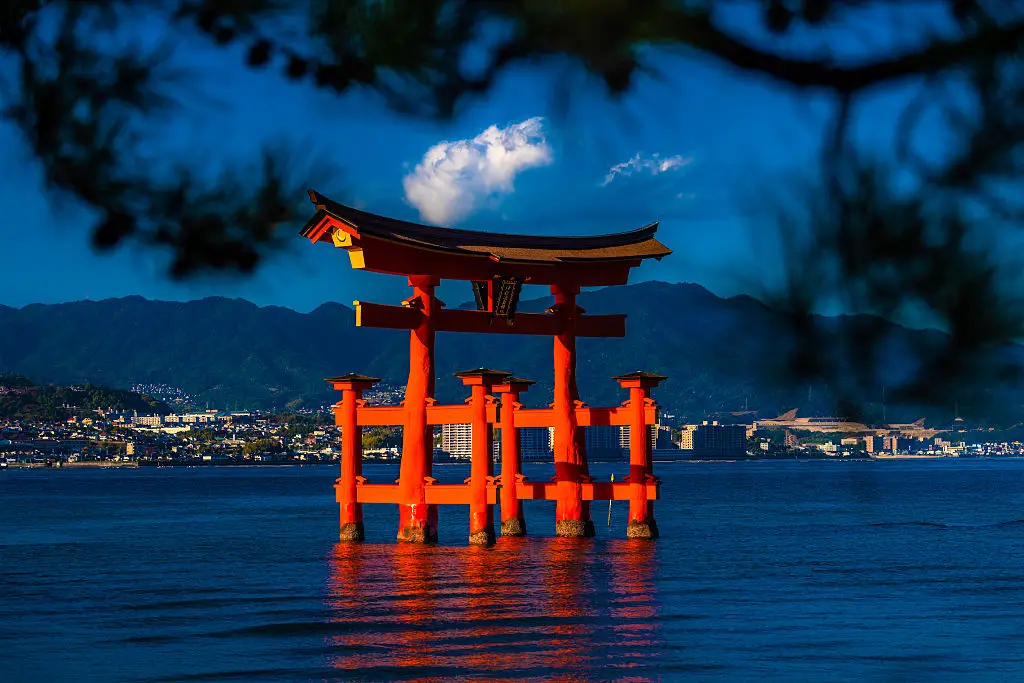
And finally, much further afield in Japan's sacred island of Itsukushima, famous for the 'floating' red torii gate, both death and birth have been banned for centuries.
In Shinto belief, each was seen as spiritually impure, so even samurai were relocated before they died.
Topics: World News, Weird
 Emma Rosemurgey