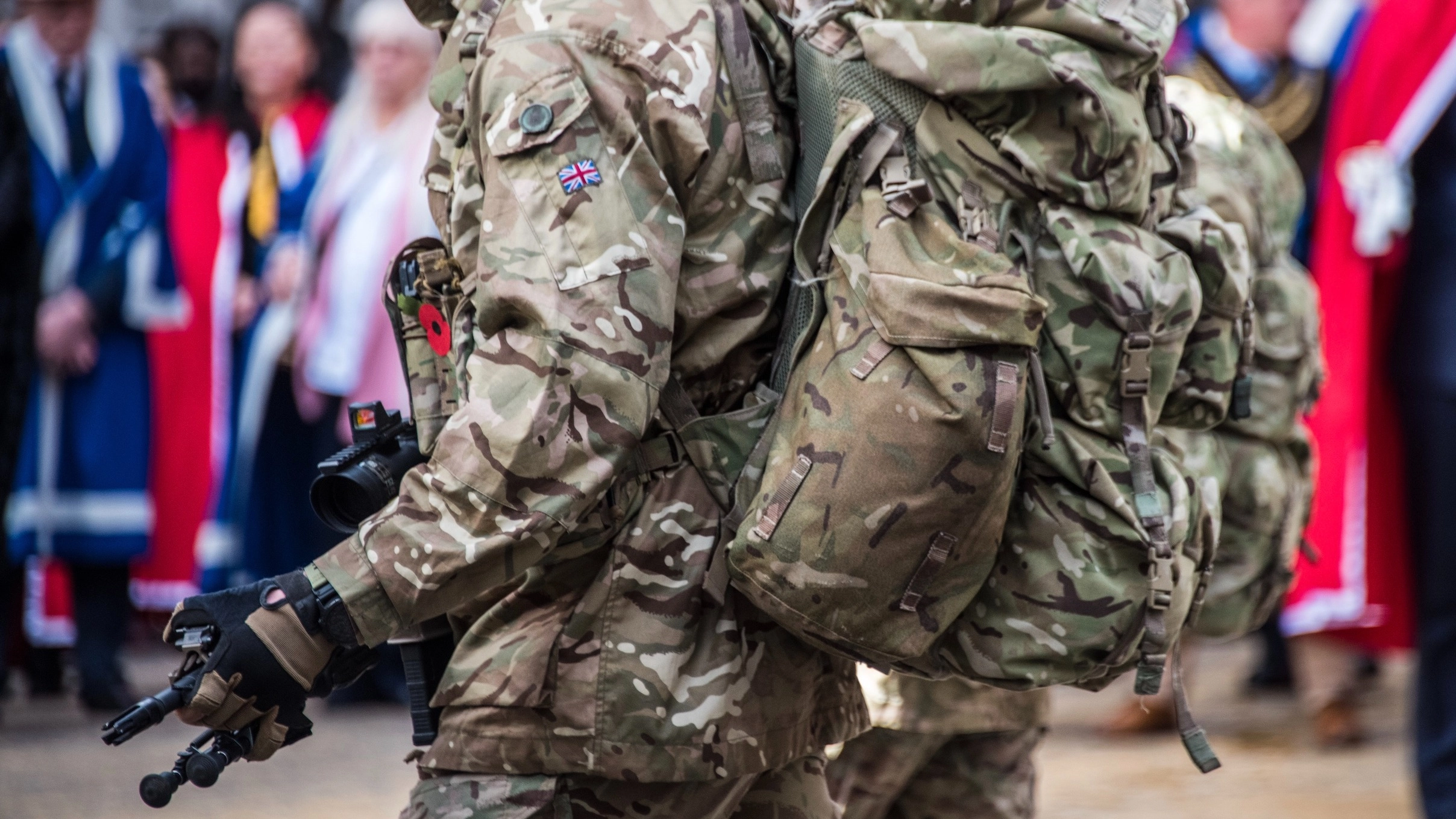
Group 'first in line' to be called for war as defence secretary warns Britain must be ready to fight by 2030

The UK's defence secretary has announced that 'getting this country ready to fight and win a war' is his top priority.
Britain has been warned to prepare for the possibility of war by 2030, with the Defence Secretary stressing the need for the country to strengthen its military readiness.
As tensions continue to rise around the world, questions have been raised over who would be called upon first if the UK found itself involved in a major conflict.
And while Britain does not currently have conscription, certain groups could be prioritised for military service in the event of a national emergency.
Advert
The warning has reignited debate about the country's defence capabilities, recruitment and whether the public is prepared for the possibility of a future conflict.
"To prevent the worst, we have to prepare for it. In the first instance, that means expanding our capabilities so our adversaries think twice about attacking us. Should that fail, we must ensure that Britain is ready for war," Defence Secretary Wes Streeting said, speaking with The Telegraph.
Streeting further noted that the threat 'to harm us is not new', as he explained: "What has changed is their capacity. By 2030, their force strength and war economy could put them in a position to attack."
Retired senior British Army officer Lord Dannatt told the Express, per the Daily Star, that the youngest people would start off the conscription process, should one be introduced.
But that's only after the current-service and reserve officers are sent to war.
He said: "I would expect to see the Army Reserve mobilised first, then Regular Reservists recalled to active service and then His Majesty's Government would need to consider conscription, starting with 18-24-year-olds."
Streeting's warning follows the governments new 'Be Ready' initiative, which they launched earlier this week.
It outlines a checklist of items every household should have in case of emergency, including three litres of water per person, per day, non-perishable food, cash, and more.
Speaking with the BBC, he noted that the UK is facing a greater threat 'than we have certainly for most, if not all, of my lifetime'.
But he urged the public to be 'alert, not alarmed'.
The defence secretary noted that the initiative had not been launched in response to any new intelligence, but was instead part of broader efforts to ensure Britain is prepared for potential future threats.
Topics: UK News
 Mia Williams