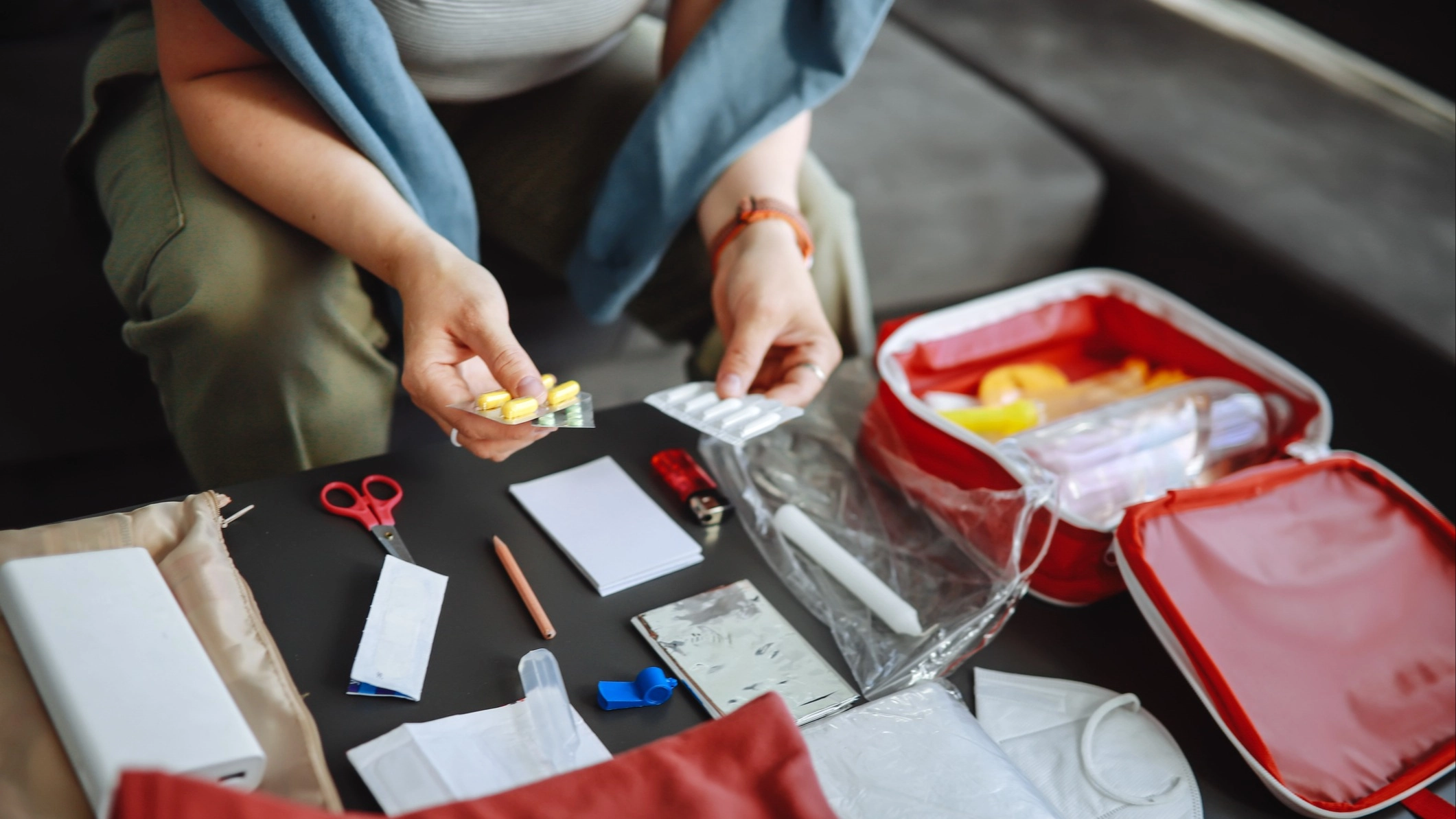
14 essential items every household should have in case of a nuclear bomb attack

With roughly 110 armed conflicts taking place around the world, global tensions feel like they're at an all time high - and with that, the threat of nuclear war is a sobering reality.
There are so many different stand-offs between so many different countries, and so preparing households for what seems like the inevitable (although I hope not!) should be a top priority for governments across the globe.
Recent analysis of states in the US shows that the likes of Montana, Wyoming, and Colorado are at higher risk due to missile silos, while states like Maine and New York are considered somewhat safer.
If an attack occurs, experts warn against the fatal mistake of jumping into a car to flee as an electromagnetic pulse will fry vehicle electronics, and cars offer no protection from the incoming blast wave or deadly radiation.
Advert
Instead of driving, people are told to find a robust structure and get to the center of the building immediately to hide from the fallout.
"Don’t get in your car. Don’t try to drive, and don’t assume that the glass and metal of a vehicle can protect you," health physicist Brooke Buddemeier told Business Insider in 2017.
"While those who live near military facilities, ICBM silos in the Midwest or submarine bases along the coasts might bear the most immediate and severe consequences of a nuclear attack, there's no question - any nuclear war or weapons detonation would be bad for everyone.
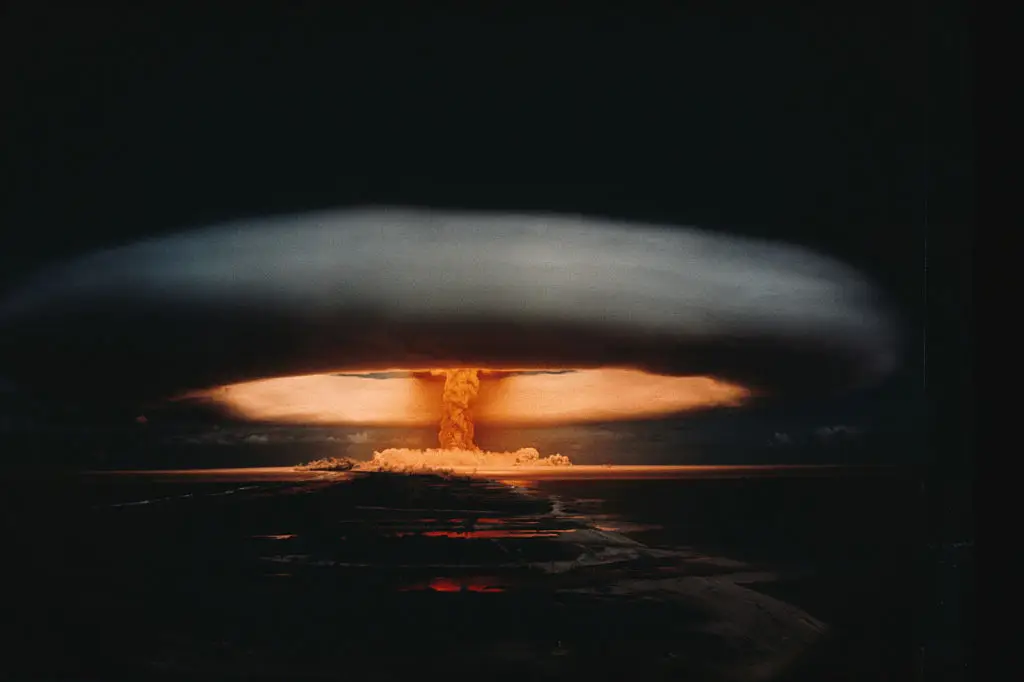
"Nowhere is truly 'safe' from fallout and other consequences like contamination of food and water supplies and prolonged radiation exposure."
Because standard shelters will be essential, the US government advises preparing an emergency survival kit to last multiple days.
Here are the 14 essential items every household should have ready in an airtight bag or plastic bin.
Local maps
Physical maps are essential for finding your way and planning routes if internet access and mobile networks completely go down.
Cell phone and chargers
Keep your phone ready with chargers and a backup battery, even if cell service is temporarily disrupted by the blast.
Battery-powered or hand-crank radio
Communication is vital, and a hand-crank or battery-powered NOAA Weather Radio with tone alert will help you receive emergency broadcasts.
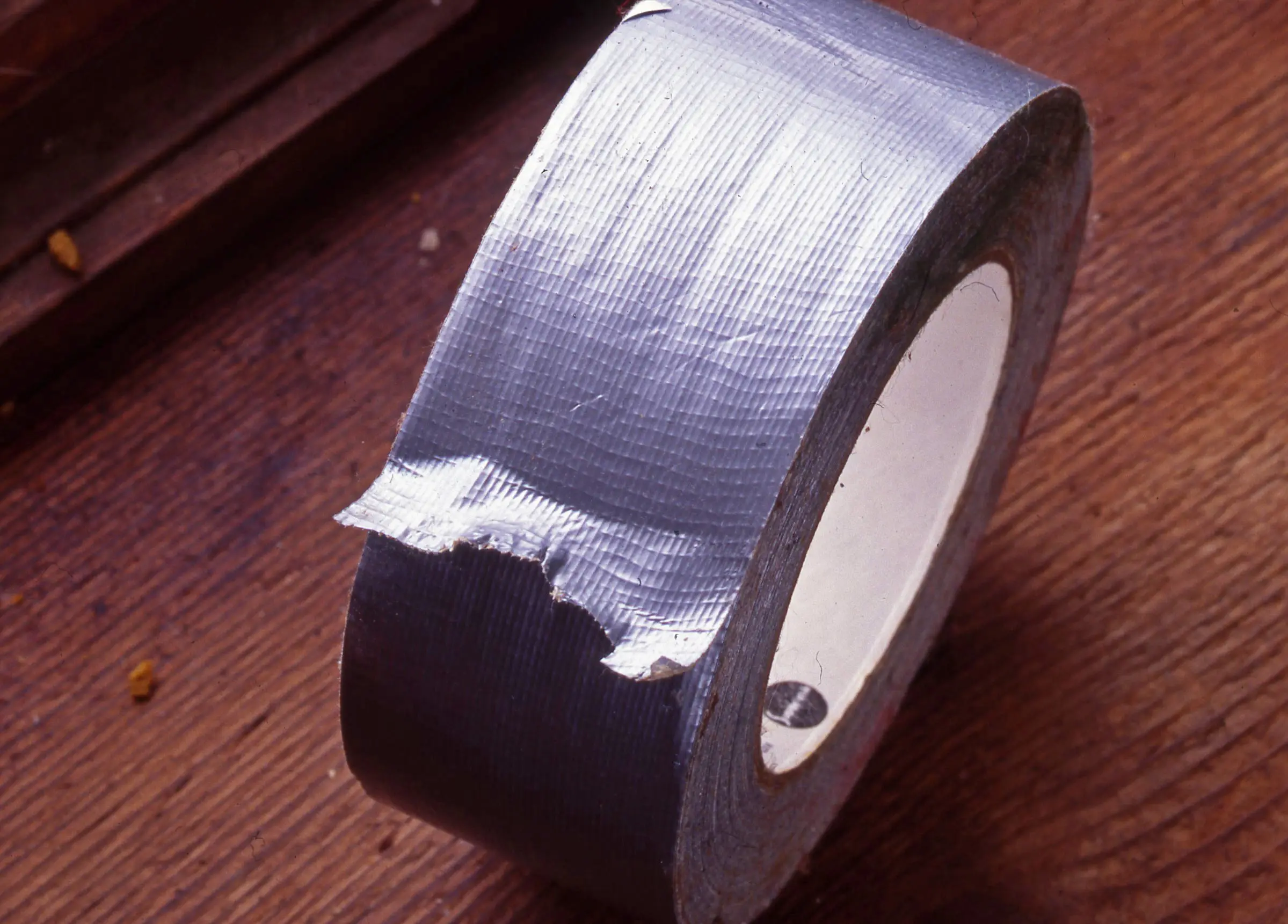
Plastic sheeting and duct tape
These items, along with scissors, are recommended to help you properly seal off your room from radioactive particles.
Sanitation supplies
Maintain personal hygiene by packing moist towelettes, garbage bags, and plastic ties for safe waste management.
First aid kit
Every household should maintain a first aid kit containing bandages, painkillers, and spare prescription glasses to deal with minor medical issues.
Water
You need one gallon per person per day to adequately meet everyone's hydration and basic hygiene requirements during an emergency.
Food
Stockpile canned goods, grains, and items requiring no refrigeration in case power grids fail.
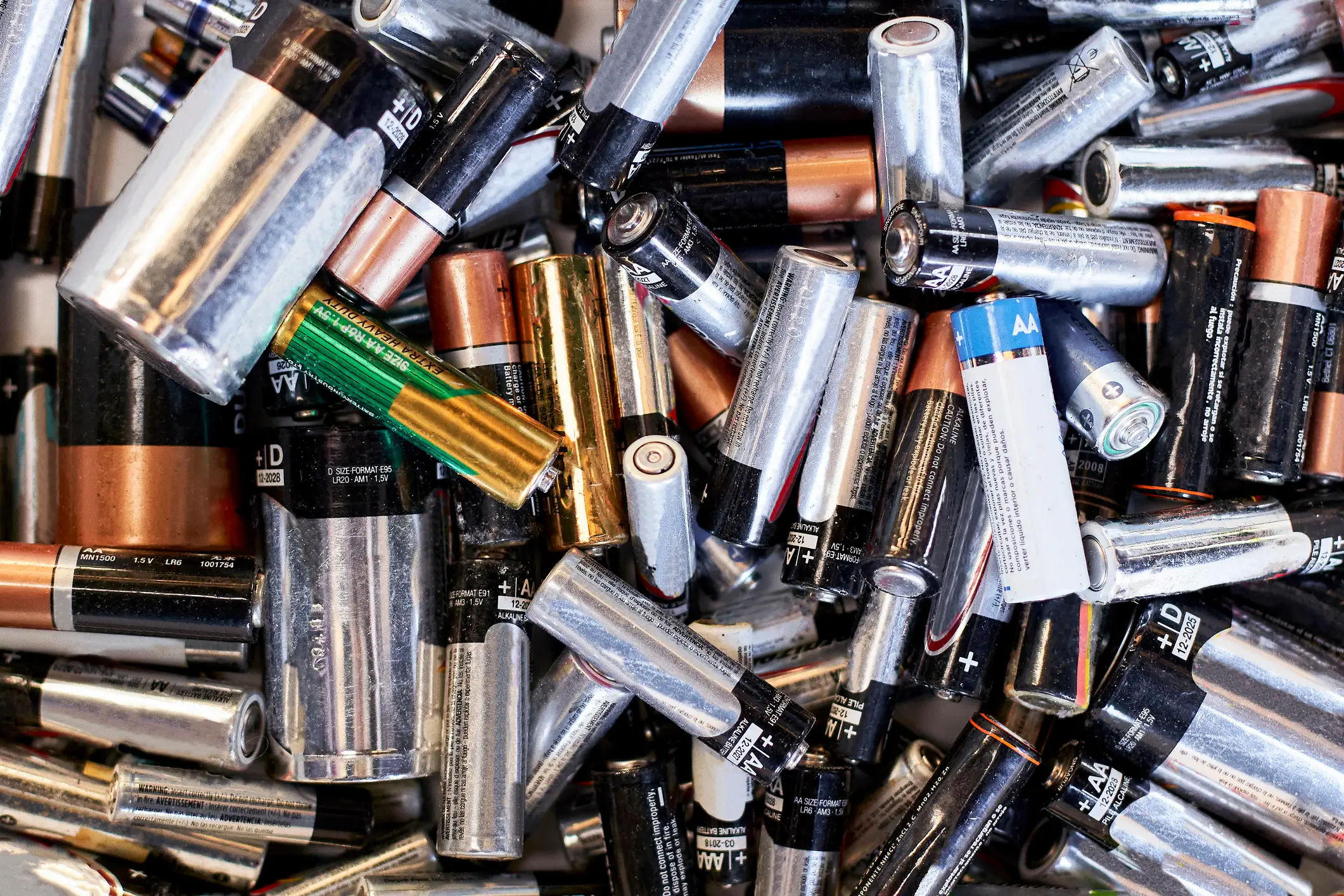
Extra batteries
Keep a healthy supply of spare batteries to ensure your flashlights and emergency radios remain functional for several days.
Whistle
If all other means of communication fail, a whistle could help draw attention if you become trapped and require assistance.
Flashlight
A dependable flashlight is necessary to provide illumination during severe power cuts in your chosen underground shelter.
Dust mask
A standard dust mask will help limit exposure to airborne dust and filter contaminated air inside your shelter.
Tools
A basic wrench or a pair of pliers will allow you to quickly turn off household utilities if required.
Manual can opener
A hand-operated can opener is absolutely crucial to access your supply of non-perishable canned goods.
Topics: World News
 Joe Yates